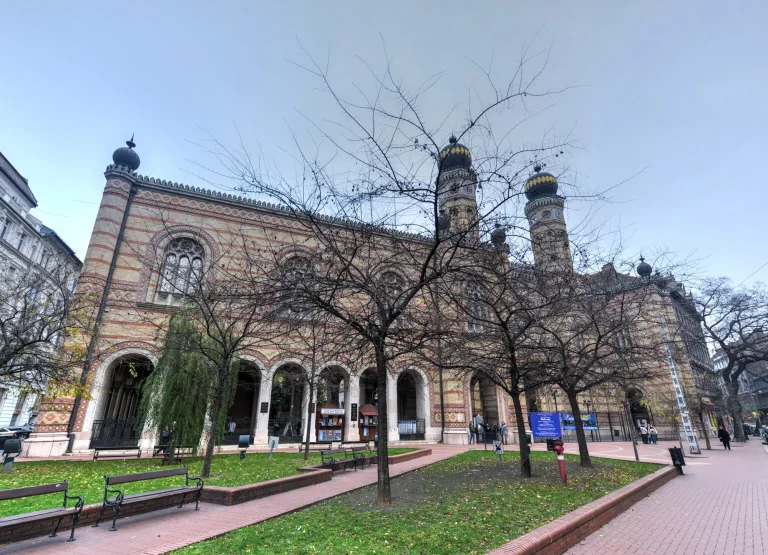
Any tourist asked about their plans for Budapest will definitely tell that they want to visit a “ruin bar.” And there is little doubt that their first step will be directed towards District VII, Erzsébetváros, which goes under another name: the Jewish Quarter. At night, these few square kilometers become one of the liveliest, chaotic, and dynamic places in all Europe to go to a party. However, during the day, the strobes disappear to unveil a district rich in history. It is a place of elegant Moorish buildings along the streets where you can see walls with bullet holes, and kosher bread shops right next to gourmet coffee roasters. But to get to know more about Budapest, one needs to peel off the layer of neon. Here begins the history of the Jewish Quarter, from its golden era to its darkest times, and its amazing comeback in modern days. The…
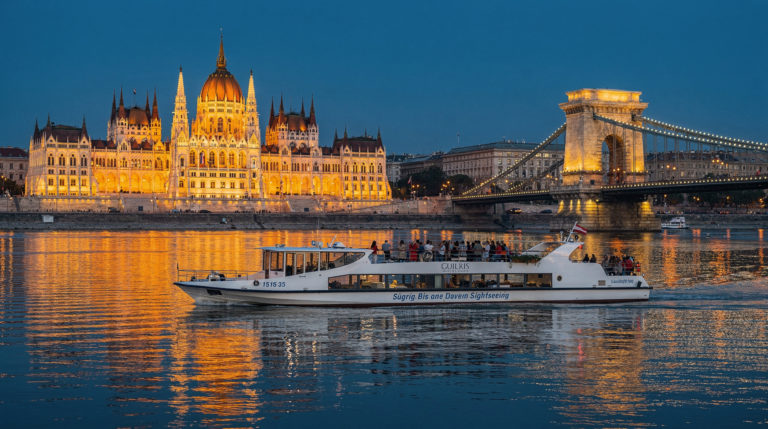
This is one of the reasons Budapest is called “The Pearl of the Danube.” Although wandering through the winding cobblestone streets of the castle area or sitting in a ruin pub enjoying some drinks might be wonderful, there is nothing like the view of Budapest from the heart of the river, particularly at night, where the whole capital turns into a masterpiece of gold lights. However, one does not have to pay lots of money for an expensive private cruise in order to see this spectacle. The river boat line of the local transport operator BKV allows tourists to enjoy the sight of the most magnificent parliament of the world. Why the Local Riverboat is Budapest’s Best Kept Secret The majority of tourists immediately visit the tourist piers at Vigadó tér where the premium price is paid for the usual commercial cruises. But while the tours are excellent, there is…
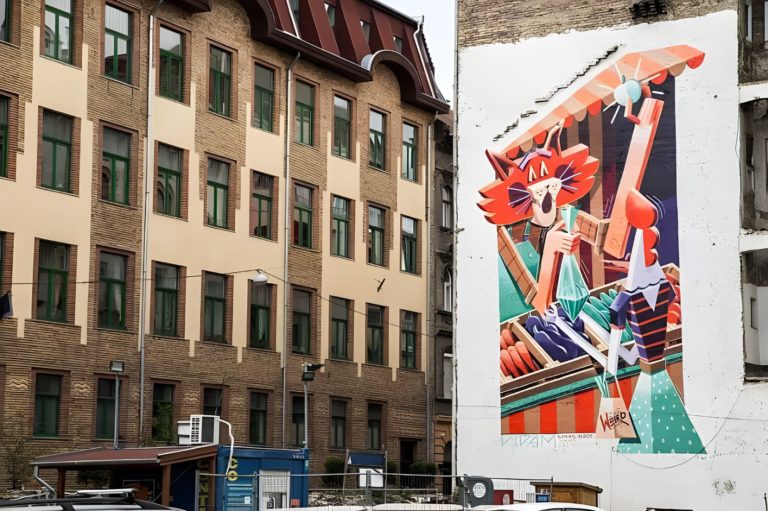
Whenever someone mentions Budapest, the first thing that pops up in their mind is the majestic neo-Gothic Parliament building, the panoramic views from Fisherman’s Bastion, or perhaps the soothing experience at the thermal baths. However, if you look closely, especially at the gigantic, stark brick walls known as tűzfalak in District VII, you will see a totally new and very colorful world. Budapest has become one of the most intriguing capital cities in Europe in terms of urban art. This is not some form of nightly graffiti; it is a large-scale process that combines rich Hungarian tradition and culture with top-notch contemporary art. From Graffiti to Grand Firewalls Just a few decades back, District VII was marked by its atmospheric, but highly neglected and bullet-ridden buildings that remained after the dark times of the 20th century. While the legendary Ruin Bars started decorating these neglected premises with vibrant nightlife, an…
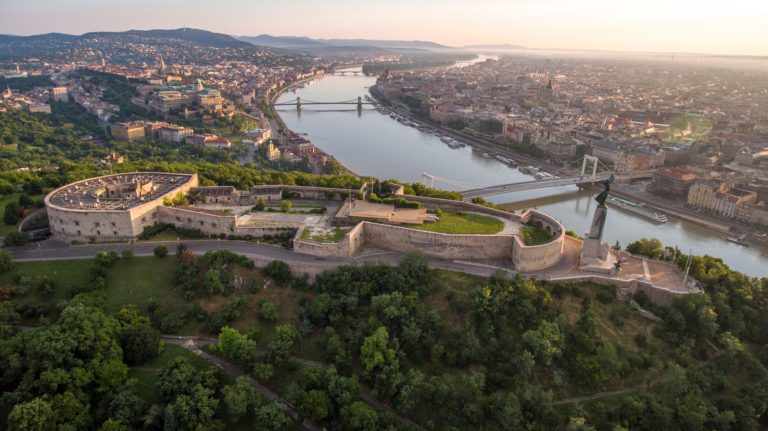
From any point in central Budapest if you look up, then you will be able to see a large stone castle looming from the top of Gellért Hill, with an enormous bronze woman standing with a palm leaf held to the sky. This is the Cittadella. For years it was considered simply the finest panoramic spot in Budapest. But the story of the limestone monster is a dark and highly ironic one, which is absolutely fascinating. And if you come to Budapest today, then you will experience the most dramatic changes that have been seen on this hill for more than a century. The History: A Fortress Built to Intimidate The majority of castles and fortresses are constructed by the city government in order to defend the citizens from the attacks by outsiders. However, the Cittadella is the absolute contradiction of this principle. In 1848, Hungarians organized a massive, and…
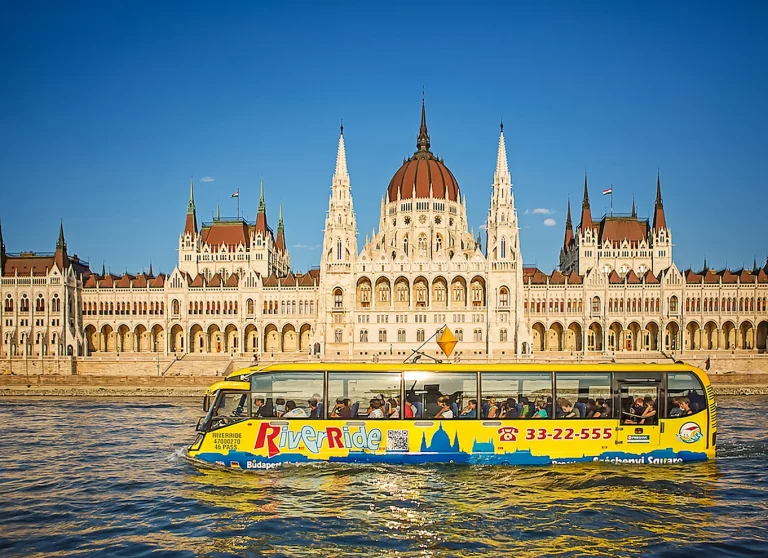
Have you ever been strolling around the banks of the Danube, minding your own business, when suddenly a flashy yellow bus comes right off the road, dives straight into the water? No need to be alarmed, the driver did not doze off behind the wheel. What you have just seen is the RiverRide, the amphibious water bus that Budapest is known for! If you are torn between a standard bus tour of the city and a boat ride, this funny yellow bus takes care of both of your needs. Below is what it is like riding this one-of-a-kind attraction in Budapest. What is an Amphibious Bus? At first glance, the RiverRide looks like a normal, albeit slightly bulky, tour bus. It has standard bus seats, large panoramic windows, and a tour guide with a microphone. But underneath, it’s built on a custom-designed chassis that functions entirely as a boat. Because…
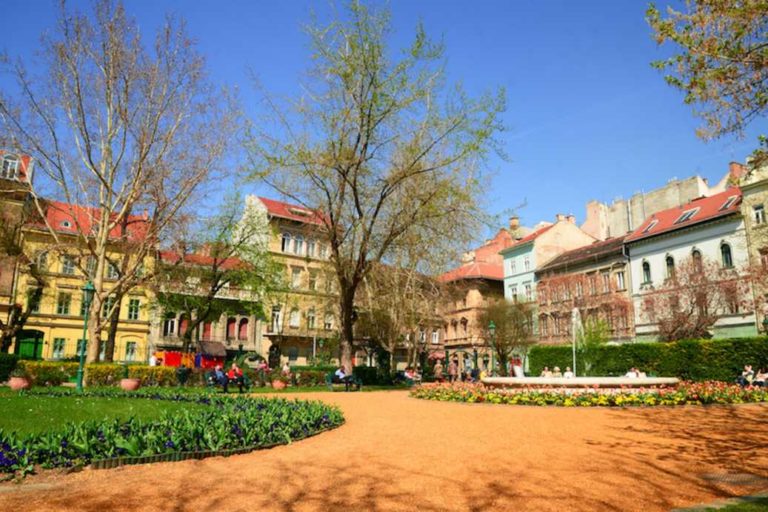
If you find yourself amidst the confusion at the busy crossroads of Astoria or Kálvin tér, where there are noisy cars and screeching trams passing around, it’s difficult to imagine that just three minutes’ walk will lead you into absolute silence. Hidden behind a row of old houses in the fifth district of Budapest is Károlyi Garden (Károlyi-kert). Fenced in by the high gates made of wrought iron, this is the oldest public garden left in Pest. This place is not only a garden but a perfect romantic oasis from the past times. Here are reasons for this garden to make the cut. The History: From Private Palace to Public Treasure The history of the garden begins with the extremely rich aristocratic family of Károlyi. At the end of the 18th century, the family erected an enormous Classicist palace (which currently forms the northern border of the park) along with…
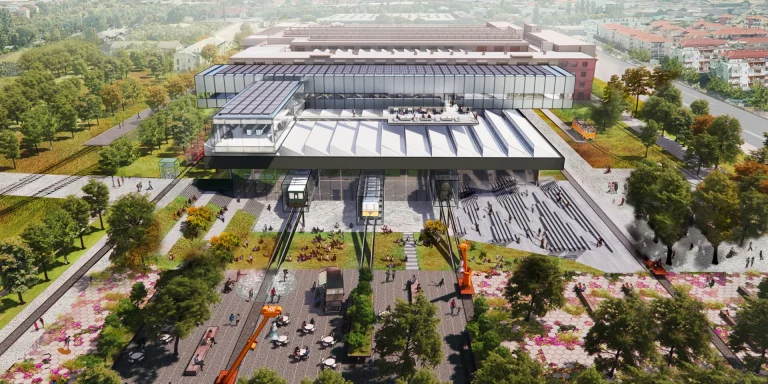
There may be just one museum in Budapest which reflects the pure energy of human inventions and innovations and this is the Hungarian Technical and Transportation Museum (Közlekedési Múzeum). Be it an interest in railways, vintage cars or anything related to the engineering behind moving a whole city; this museum is surely one of the most ancient and interesting of such kind in Europe. However, for a visit to this place it will take some insider information because the museum has gone through quite a dramatic change in recent years. And here is all you need to know about its history and collections. A Century in City Park: The History In order to get a better understanding of the museum, we need to take a look back at 1899. The first incarnation of the museum in City Park (Városliget) opened during the 1896 Millennium Exhibition and it was an elegant,…
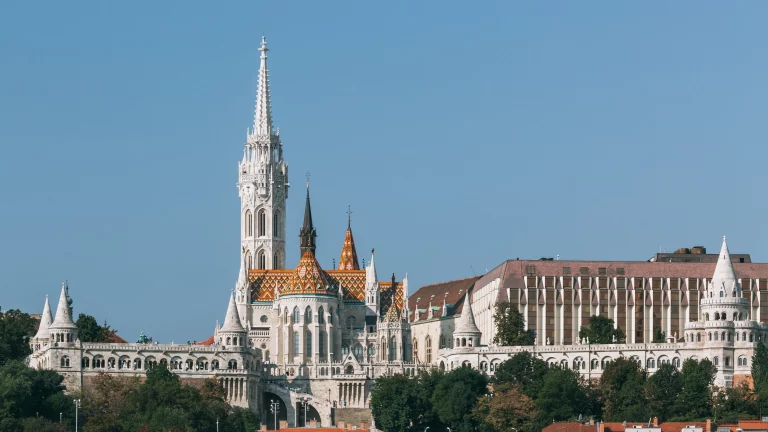
If you have come across pictures of Budapest, chances are that you must have seen Fisherman’s Bastion at least once. Its beautiful white stonework, conical towers, and magnificent view over the Danube river make it look like something out of a fairy tale. However, it’s much more than just a scenic site; this place is a real gem of Hungarian architecture and history. This article covers all there is to know about one of the most enchanting places of Budapest, from construction through to how to enjoy it without the crowd. Who Built It (And What’s With the Name?) Despite looking like an ancient medieval fortress, Fisherman’s Bastion (Halászbástya) is surprisingly modern. It was built between 1895 and 1902 by architect Frigyes Schulek. His goal wasn’t to build a defensive fort, but rather a panoramic viewing terrace that would complement the stunning Matthias Church right next to it. It was…
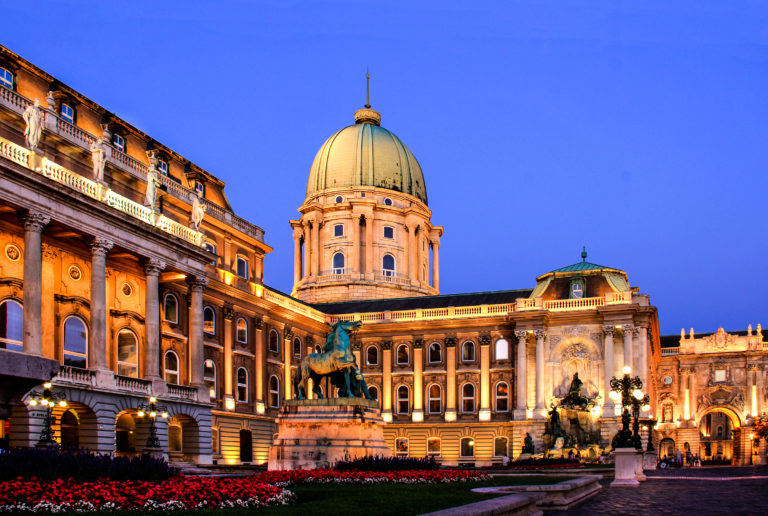
As one explores Budapest, chances are one will come across the Buda Castle located on the opposite side of the river, a massive and majestic building standing high on the Castle Hill. However, here comes one interesting fact that many travelers have not realized before: the best use of time spent within these ancient castle grounds cannot be in searching for any rooms of royalty. The best thing to do in the castle is to explore the Hungarian National Gallery (Magyar Nemzeti Galéria), which is located within the wings of the royal castle. Why Visit? (Hint: It’s Not a Typical “Palace” Tour) Setting the right expectations from the beginning, the castle will not offer you any gilded halls decorated with magnificent furniture belonging to the Habsburg family. The reason being that most of the castle’s decor was destroyed in the war. Therefore, instead of royal rooms, you are presented with…
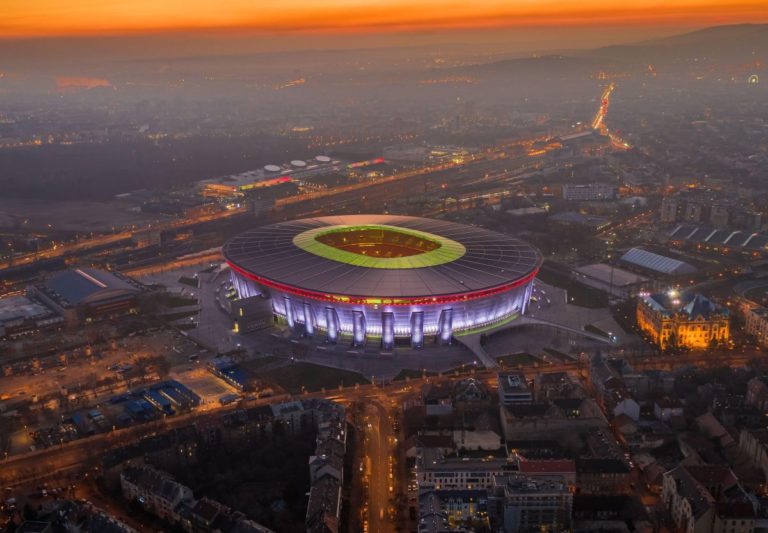
Being in Budapest, it is hard not to get lost in its impressive architecture and rich history. Even though many tourists tend to pay their attention to the iconic buildings built according to the neoclassic style, there is one modern building which dominates the whole city panorama; it is the Puskás Aréna. Whether you are an ardent supporter of football or have a passion for outstanding architecture projects, this place cannot leave anyone indifferent. Allow me to share my experience and guide you through this impressive building with a long history. From the “People’s Stadium” to Honoring a Legend It is impossible to talk about Puskás Aréna without mentioning the past of this place. From 1953 until 2016, it housed the former stadium of the Népstadion (The People’s Stadium). It was an enormous structure, consisting of a concrete bowl able to hold more than 100 thousand spectators who enjoyed watching…