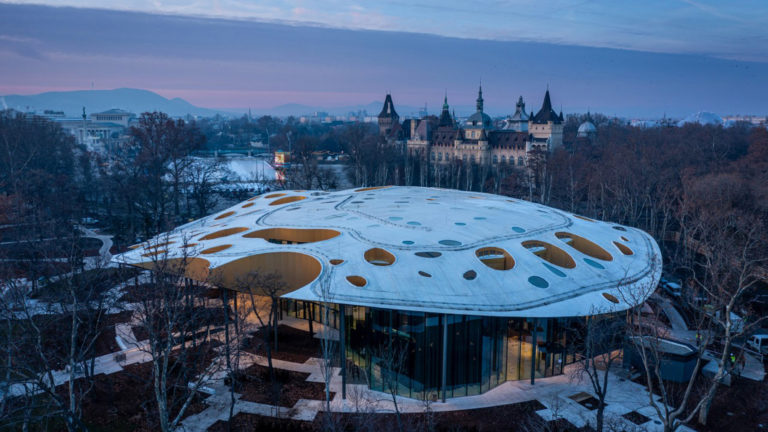
Imagine wandering through the dense, leafy trails of Budapest’s City Park (Városliget) and suddenly stumbling upon what looks like a giant, golden mushroom floating among the trees. This is the House of Music Hungary (Magyar Zene Háza). Since opening its doors in early 2022, this spectacular, undulating structure has completely redefined the city’s architectural landscape. It doesn’t just house music, the building itself is designed to feel like a visual symphony, thanks to his beautiful structure. Here is everything you need to know about how this beautiful structure was conceptualized, engineered, and what awaits you inside. The Vision and History For decades, the plot of land where the House of Music now sits was a dead zone, occupied by a cluster of abandoned, dilapidated Hungexpo office buildings. In 2014, as part of the massive Liget Budapest Project (the same initiative that built the nearby Museum of Ethnography), the city launched…
If you walk through Budapest’s Városliget (City Park) today, it is impossible to miss the striking structure rising smoothly from the ground like a massive half-pipe. After a century and a half of wandering, the Museum of Ethnography (Néprajzi Múzeum) finally opened the doors to its custom-built, permanent home in May 2022. Designed by Marcel Ferencz of the Hungarian firm NAPUR Architect, who beat out architectural heavyweights like Zaha Hadid and Rem Koolhaas for the commission, the building acts as a physical and visual gateway between the bustling city and the tranquility of the park. By placing the vast exhibition buildings below ground level, this building achieves the perfect balance between preserving the old scale of City Park and offering a large amount of space for one of the most important cultural collections in Europe. A 150-Year Journey Home The museum’s collection now boasts over 250,000 items from the Carpathian…
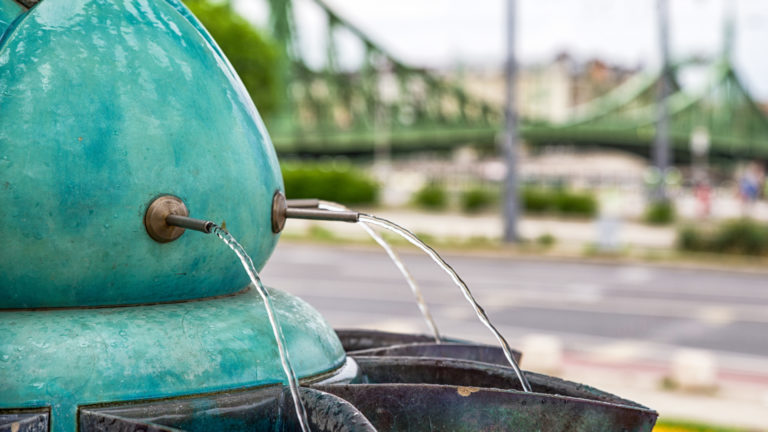
Budapest is blessed with a geological jackpot. As the city lies at the intersection of a fault line that connects the Buda Hills with the Great Hungarian Plain, it boasts of a tremendous number of sources of both thermal and filtered water. No matter if you use the water supplied by the municipality or look for mineral-laden spring waters, the city provides some of the best waters available in Europe. Here you will find all that you need to know about the water quality in the city, where to find natural spring water, and make sure that the water you are consuming is completely pure. The Municipal Supply: Is the Tap Water Safe? The water coming out of Budapest taps is among the cleanest and purest in the world and can be consumed without any fear of any adverse effects on health. The reason behind its exceptional quality lies in…
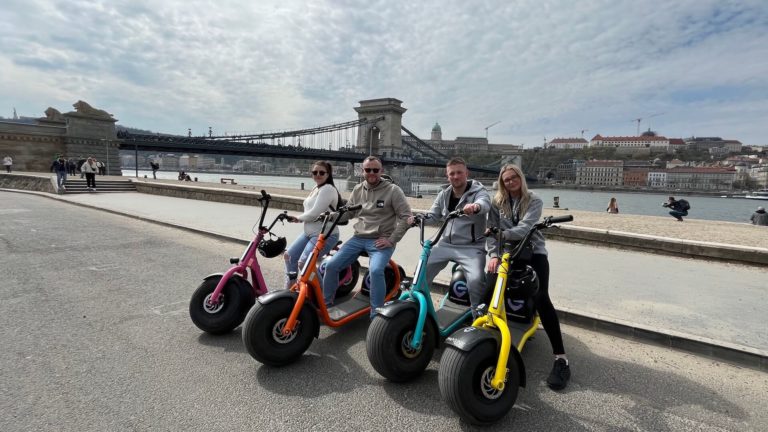
Straddling the Danube River, Budapest sits divided between Buda’s historic slopes and Pest’s flat, wide streets. The city rocks a solid public transportation system, but now e-scooters have made a huge mark too. People use them all the time for that final leg of the journey. These little scooters pop up everywhere in Hungary’s capital. Want to shoot down József körút? Hop on an e-scooter. Need to get to that uni class quick? Easy, grab one. Late night out headed to a ruin bar? Yep, you guessed it, just jump on an e-scooter. For us ride lovers, there’s tons to know about riding safely and right. That means checking out which companies operate in Budapest, what they charge, and big rules like local laws and where to park. All to make your roll around town nice and smooth. Budapest’s Primary E-Scooter Providers Unlike some European capitals that feature a chaotic…
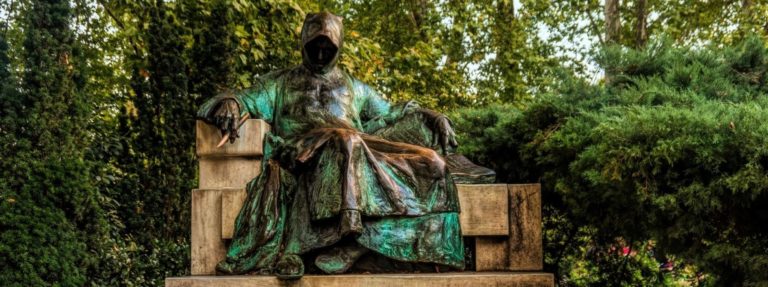
In Budapest’s City Park, right near the big Széchenyi Thermal Bath, there’s a spot that’s both mysterious and captivating. When you first look at the bronze statue, it can give you a small shiver. It shows a lone monk cloaked in a hood that fully hides his face. This is the Anonymous Statue, honoring an incredibly significant but totally unknown person in Hungarian history. Even if you don’t care much for history or are just a myth enthusiast, or if you’re wandering around Vajdahunyad Castle, you shouldn’t miss this odd statue. Who Was “Anonymus”? To understand the statue, you kinda have to begin with the man behind it, or really with the strange fog around him. “Anonymus” wasn’t only some bedtime tale, it actually existed , but almost nobody keeps the real name in mind anymore. He served as a notary and as a chronicler for a Hungarian king, a…
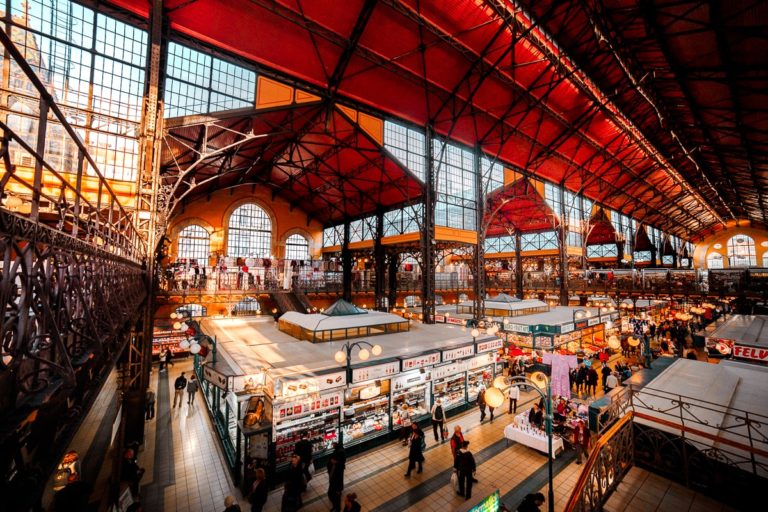
As soon as you start living in Budapest, after leaving Italy, you will experience a culture shock. The exact moment when you will realize you are no longer in Italy occurs when you find yourself standing in front of a Hungarian supermarket, staring at an entire shelf filled with sour cream (tejföl ) and paprika, looking for some good quality extra virgin olive oil or a piece of Parmigiano. Eating like an Italian in Budapest can become quite challenging, considering the lack of necessary ingredients, the presence of alternative local products which may seem to commit culinary high treason and the high prices charged by imported products, which may question your life choice. However, this guide will help you survive and even prosper. These are the secrets of where to purchase products, what to use instead and how to eat like an Italian in Budapest, regardless of the price. What…
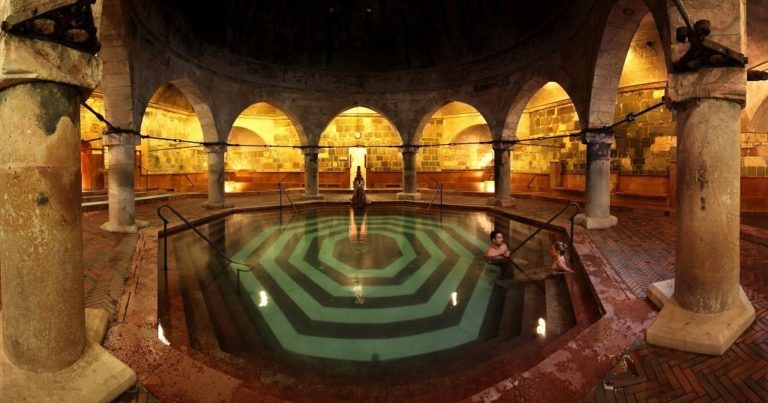
Budapest isn’t crowned the “City of Baths” simply because it boasts over 100 natural springs. Beneath the rising steam and grand architectural domes lies a millennia-old narrative, stretching from the Roman legions of Aquincum, to the beautiful Ottoman baths The Roman Foundations: Aquincum and the Birth of Bath Culture The history of the Budapest thermal baths dates back almost 2,000 years to the times of Rome. When the Roman Empire founded the town of Aquincum in what today is known as Óbuda (Part of Budapest), their selection of the site was primarily influenced by its rich sources of geothermal springs on the Danube fault line. For the ancient Romans, taking baths was an essential part of their routine, cleaning habits, and recovery after wars. Numerous archaeological digs have revealed a total of 14 different baths in this region. The biggest one, called the Thermae Maiores, was a huge military bathhouse…