
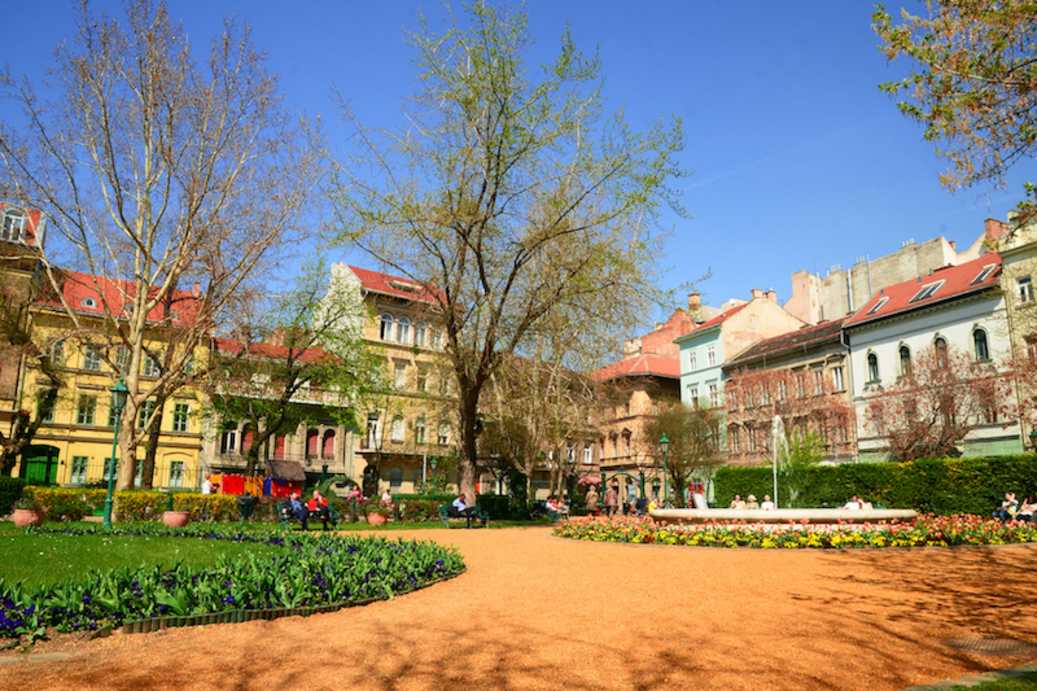
If you find yourself amidst the confusion at the busy crossroads of Astoria or Kálvin tér, where there are noisy cars and screeching trams passing around, it’s difficult to imagine that just three minutes’ walk will lead you into absolute silence. Hidden behind a row of old houses in the fifth district of Budapest is Károlyi Garden (Károlyi-kert).
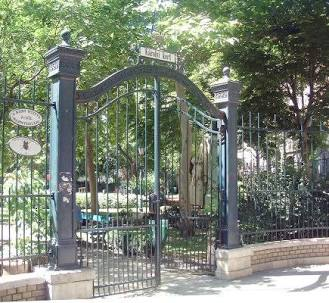
Fenced in by the high gates made of wrought iron, this is the oldest public garden left in Pest. This place is not only a garden but a perfect romantic oasis from the past times.
Here are reasons for this garden to make the cut.
The History: From Private Palace to Public Treasure
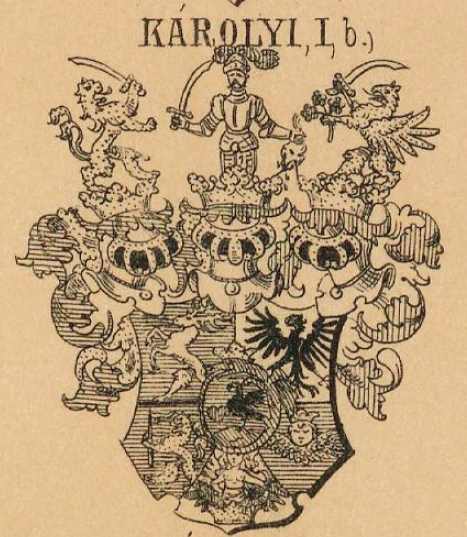
The history of the garden begins with the extremely rich aristocratic family of Károlyi. At the end of the 18th century, the family erected an enormous Classicist palace (which currently forms the northern border of the park) along with a luxurious baroque garden on its territory. For more than a hundred years, this place served for garden parties of society, enclosed within walls and isolated from ordinary people of Pest.
However, a radical change took place at the end of the 1920s when the family experienced financial troubles and decided to split up their property. It was about time when real estate developers planned to demolish the historical trees to construct an apartment block in the very heart of the city.
Fortunately, the city of Budapest took the necessary measures and, in 1932, purchased the rest of the land, transformed it and eventually opened heavy iron gates for the public.
Inside the Gates: Architecture and Flora
In contemporary times, the garden becomes an amazing combination of two completely different styles of landscaping:
- The French Geometric Style: This style is represented by highly organized plots of land that surround the palace. They consist of symmetrical flowerbeds, perfectly trimmed grass, and a fountain made out of stones that works from spring to autumn.
- The English Landscape Style: Going farther away from the building, we can see meandering walkways under the shade of old century-old trees.
What to look out for:
- The Károlyi Palace: The stunning, pale-yellow building anchoring the park is the former aristocratic residence. Today, it houses the Petőfi Literary Museum.
- The Ancient White Mulberry Tree: Look for the massive, gnarled tree near the children’s playground. It is one of the oldest trees in the entire city, having survived floods, revolutions, and world wars.
The Legend of Károly the Bunny
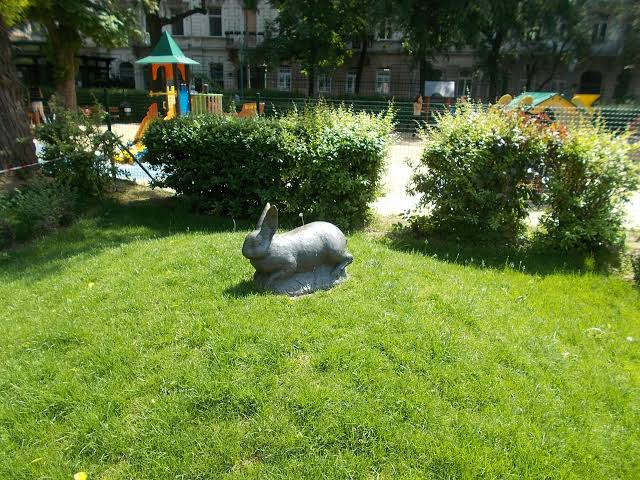
Take a closer look at the flower beds, and there you’ll find a miniature bronze sculpture of a rabbit. This is a memorial to Károly, an exceptionally friendly black rabbit who had been abandoned in the park sometime during the late 1990s.
Rather than taking Károly out of the park, the park attendants and locals took him in and kept him there for over ten years. It wasn’t until 2010 that he died, and then the local community raised enough money to get a bronze sculpture made of him.
Information for Your Visit
Being completely surrounded by fence, Károlyi Garden has an atmosphere of uniqueness and protection. There are no dogs allowed (which makes the grass nice to sit on), no music and noisy groups of people. This garden can be used to read a book, have a takeaway coffee and relax.
- Location: District V, located on the territory between Ferenczy István utca, Magyar utca and Henszlmann Imre utca.
- How to Get There: You should take the metro lines M3 (Blue line) or M4 (Green line) to get to the station Kálvin tér, or you can use the M2 (Red line) and reach Astoria station. The garden is 3–5 minutes walk away along the Magyar utca from both stations.
- Opening hours: In contrast to common city parks, Károlyi Garden functions like a museum. It opens daily at 8:00 AM and closes when the sun sets.
Comments are closed.