
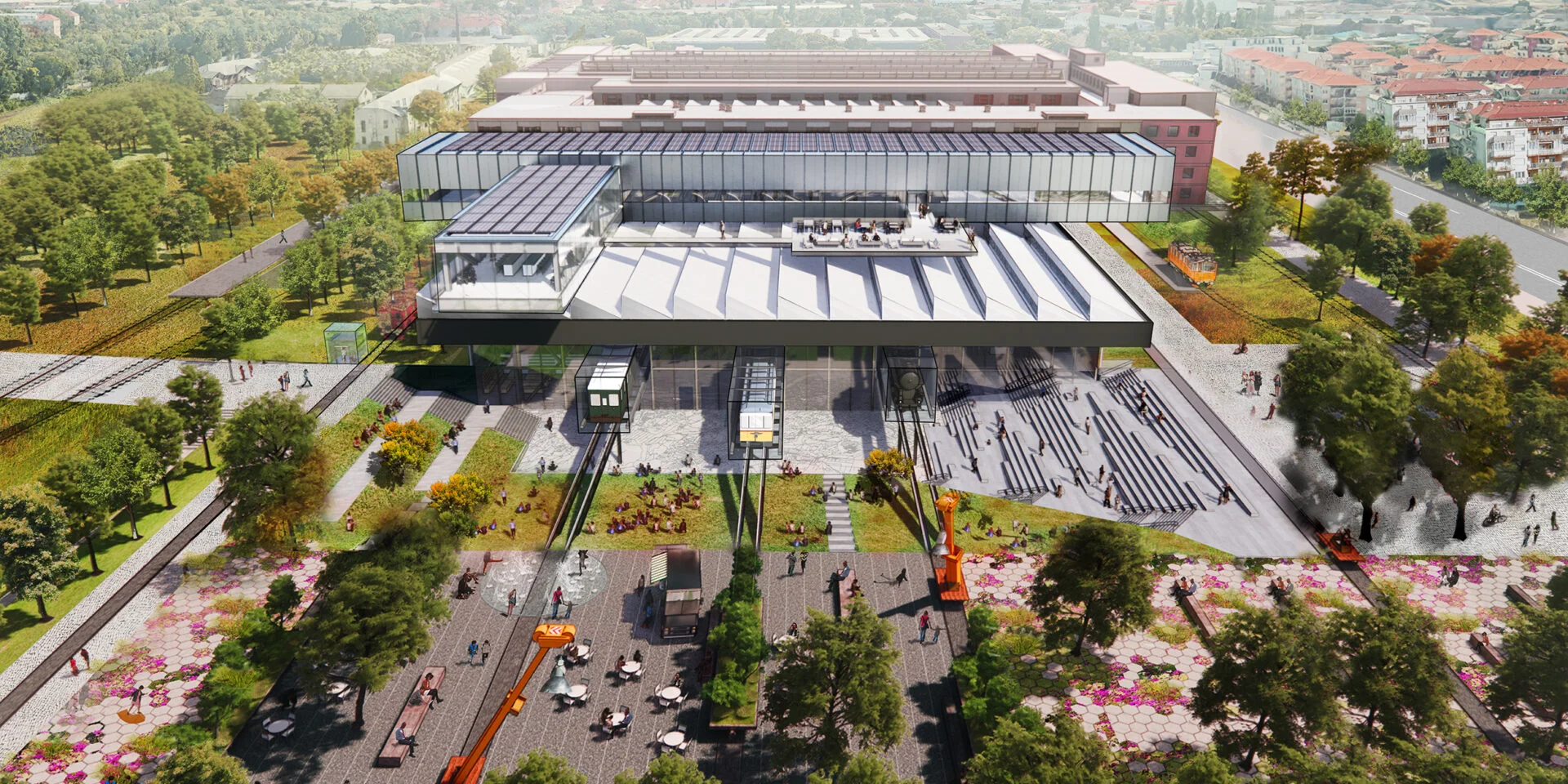
There may be just one museum in Budapest which reflects the pure energy of human inventions and innovations and this is the Hungarian Technical and Transportation Museum (Közlekedési Múzeum). Be it an interest in railways, vintage cars or anything related to the engineering behind moving a whole city; this museum is surely one of the most ancient and interesting of such kind in Europe.
However, for a visit to this place it will take some insider information because the museum has gone through quite a dramatic change in recent years. And here is all you need to know about its history and collections.
A Century in City Park: The History
In order to get a better understanding of the museum, we need to take a look back at 1899. The first incarnation of the museum in City Park (Városliget) opened during the 1896 Millennium Exhibition and it was an elegant, dome-capped palace that glorified the achievements of modern transportation.
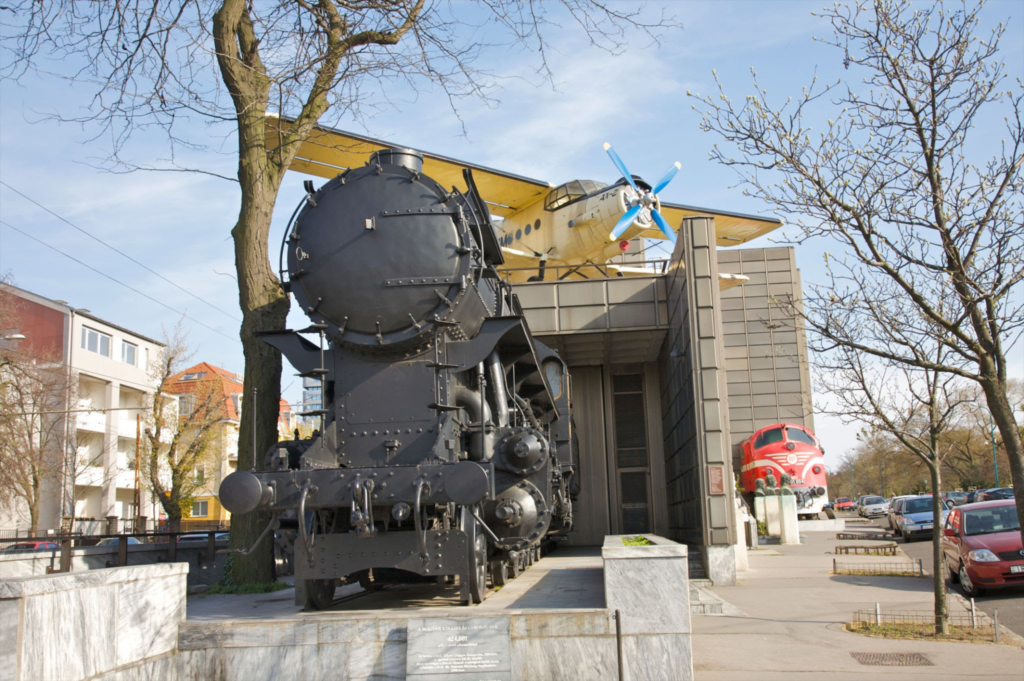
For more than one hundred years, generation after generation visited the busy halls of the museum. The museum miraculously survived the bombing of World War II, when both the building itself and the exhibits were seriously damaged, to later become a reconstruction and expansion of the museum in the 1960s.
Images
However, in 2015, the museum closed its doors in City Park as part of the massive Liget Budapest Project. The old building was demolished, and the institution began its journey to a breathtaking new home.
The Collection: From Ikarus Legends to Electrical Marvels
This isn’t only a museum of the means of transportation, but it is also the keeper of all technical genius created in this region.
The 1:5 Scale Model
Another special thing about the collection is the number of 1:5 scale train models kept there. Dating back to the time when this museum opened, these are not mere toys, but rather precise engineering models of their counterparts. It is possible to see the real mechanical construction of trains built several decades ago in a 2 meters model of the 10 meter train.
The Golden Age of Ikarus
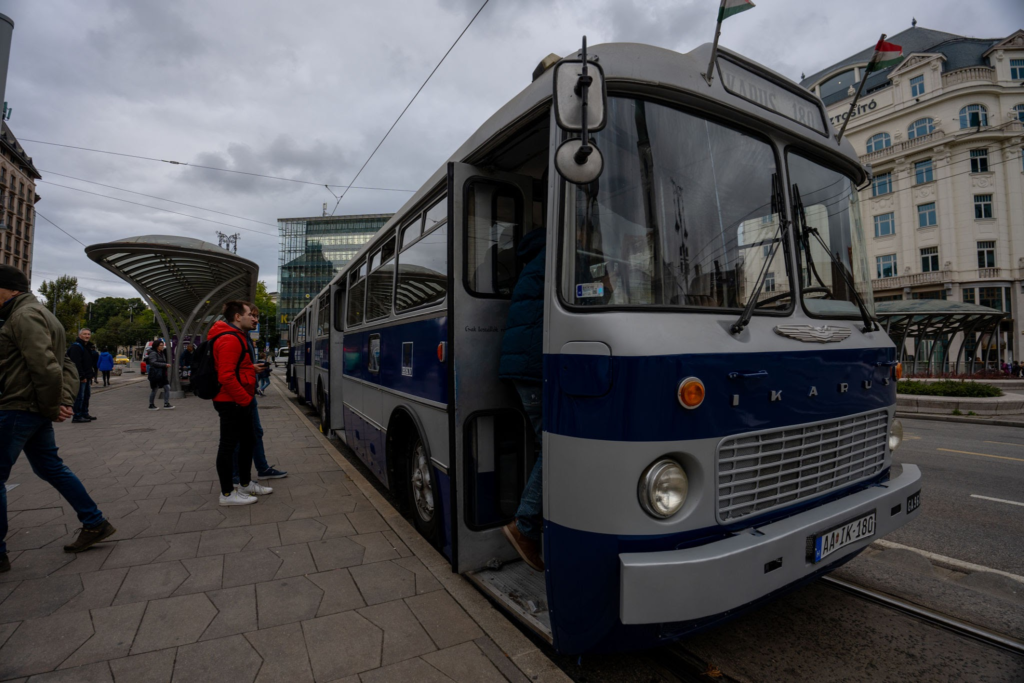
One cannot talk about the Hungarian transport without mentioning Ikarus. During the Cold War era, Hungary became one of the largest producers of buses in the world.
Gorovol/Getty Images
Telecommunication and Computer Systems
Although trains and airplanes occupy the largest amount of space, there is a treasure trove of technical information for the engineer here. The archival resources and branches of the museum preserve the history of electrical engineering, computing machines, telecommunication, and urban electricity supply systems in Hungary.
The Northern Railway Depot
But when you visit City Park nowadays, you will not be able to see the Transport Museum. You have to visit District X (Kőbánya) for that. The museum is undergoing a new revival in the premises of the Északi Járműjavító (Northern Railway Depot), which was in operation from 1867 to 2009 and was considered to be the largest railway depot in the country at that time.
While the permanent, finalized museum is still under development, the site is very much alive. The museum regularly hosts massive pop-up exhibitions here, like “Once Upon a Time in the Northern Depot”, allowing visitors to explore restored Cold War-era trains, vintage cars, and Soviet luxury limousines right on the tracks where they were originally repaired.
Where Else to Experience the Collection
Because the main collection is so vast, the museum operates several specialized branches across Budapest that remain open and are well worth your time:
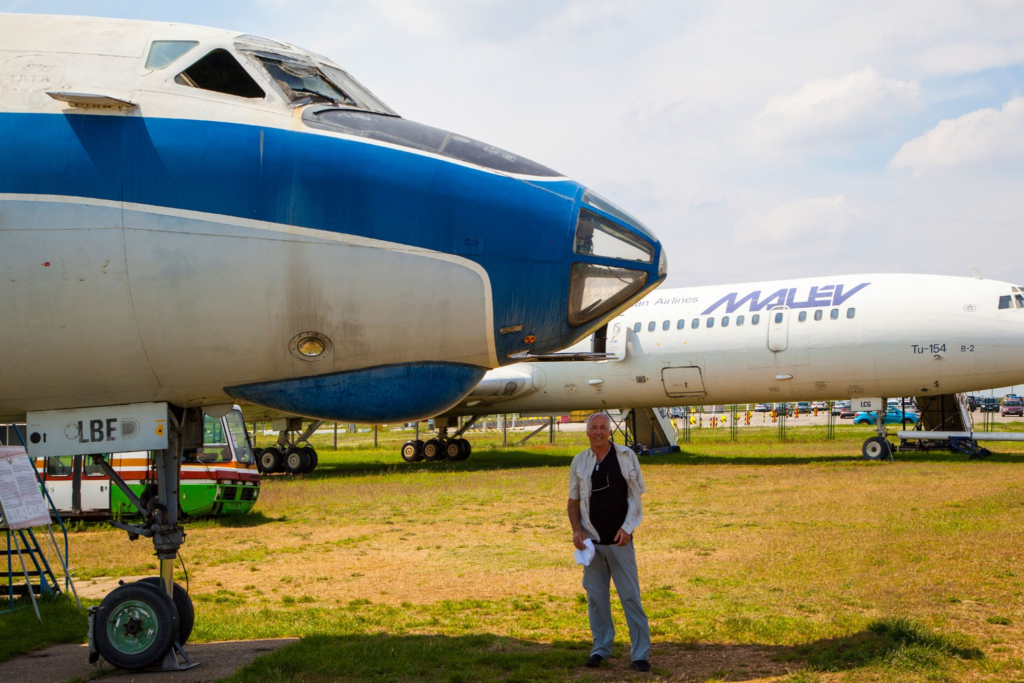
- The Aeropark: Located right next to Budapest Ferenc Liszt International Airport, this open-air aviation museum is dedicated to the history of Hungarian civil aviation, featuring a fleet of vintage Malév aircraft you can actually step inside.
- The Millennium Underground Museum: Hidden beneath Deák Ferenc tér, this tiny but charming museum tells the story of the M1 Metro line, the first underground railway in continental Europe (2nd oldest after the underground in London).
- The Museum of Electrical Engineering: Tucked into a Bauhaus-style transformer station in the Jewish Quarter, this branch is perfect for anyone fascinated by electronics, vintage neon signs, and the history of electrification.
Images
Comments are closed.