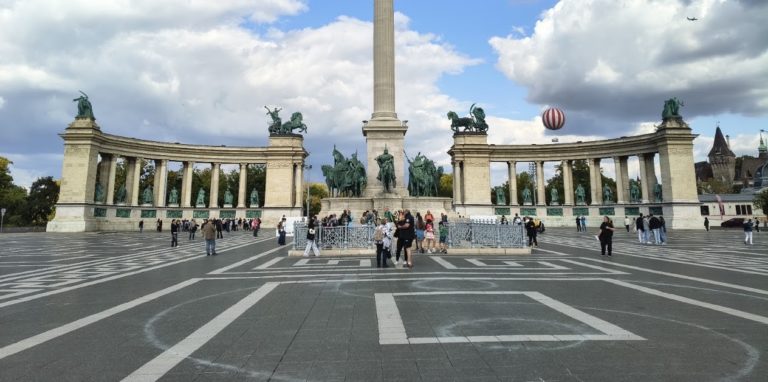
At the end of the elegant Andrássy Avenue, just before entering City Park, there is one of the most impressive and symbolic places in Budapest: Heroes’ Square, or Hősök tere. The square is huge, open and monumental, and at first sight it can seem like just another beautiful place for taking photos. But almost every statue here tells a part of Hungarian history, from the arrival of the Magyar tribes to some of the most important kings and national leaders. Heroes’ Square is also part of the UNESCO World Heritage area connected to Andrássy Avenue and its surroundings. UNESCO World Heritage Centre Why is Heroes’ Square so important? The square was created as part of the celebrations for the 1,000th anniversary of the Hungarian conquest of the Carpathian Basin, traditionally dated to 896. Construction of the Millennium Monument began around the celebrations of 1896 and the entire monumental complex was…
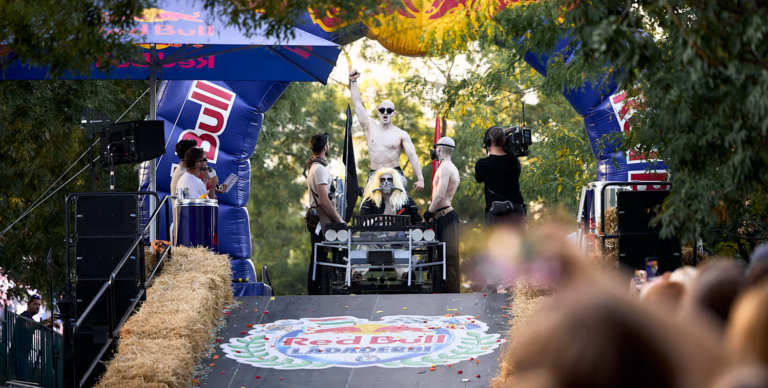
Yesterday, 20 September, Tabán looked very different from usual. Instead of people relaxing on the grass, the hill became a race track full of strange vehicles, costumes, music and thousands of spectators. It was the Red Bull Ládaderbi, probably one of the funniest and most unusual events we have seen in Budapest. But what exactly is Ládaderbi? The idea is quite simple: teams build their own vehicles and race downhill using only gravity. There is no engine. The cars have to be handmade, but apart from some safety rules, creativity is almost unlimited. And this is what makes the event so entertaining. Some vehicles actually look fast and well designed, while others look like they should never move at all. This year there was everything: a racing bathtub, a giant anvil, a Nimbus 2000 broom, a rocket launcher, a dinner table and even a kayak transformed into something similar to…
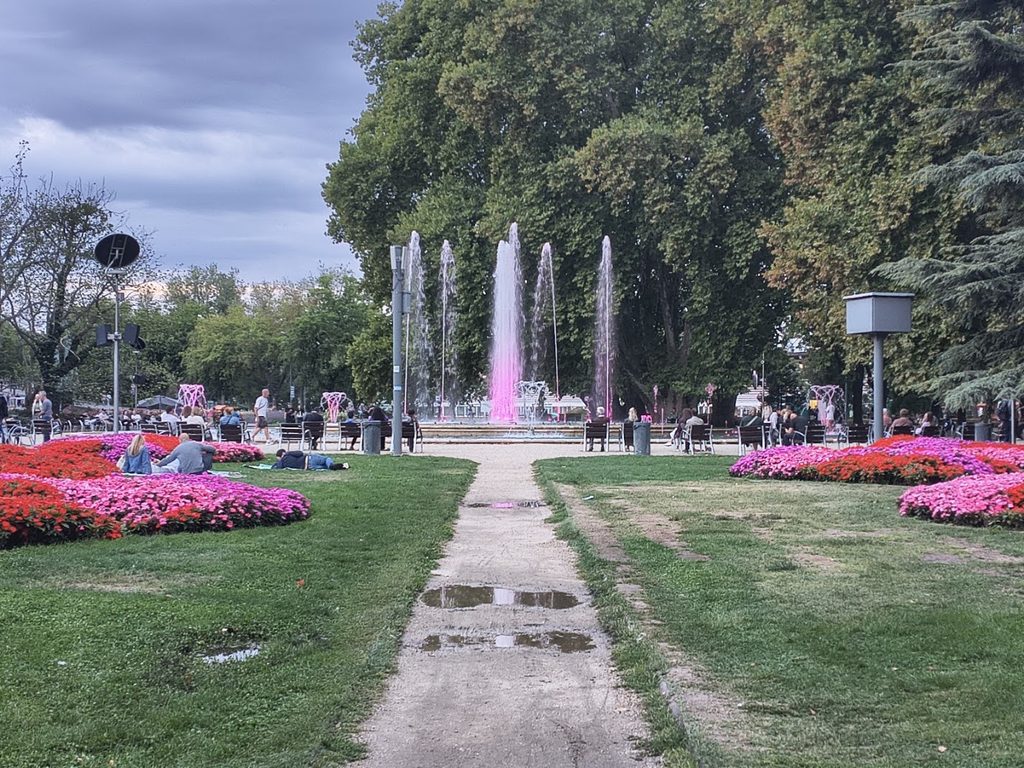
Margaret Island is already one of the most relaxing places in Budapest, but there is one spot that completely changes its atmosphere: the Musical Fountain. During the day it is a nice place to stop after walking around the island, but in the evening it becomes much more special. The fountain is the largest musical fountain in Hungary. It is about 36 metres wide, and its central water jet can reach more than 25 metres high. Every hour, the water moves following different songs, creating shapes and rhythms that make it look almost like the fountain is dancing. When water starts dancing What makes this fountain different from a normal one is the combination of music and movement. Some jets slowly rise with quieter parts of the songs, while others suddenly shoot into the air when the music becomes stronger. Sitting around the fountain and watching the water follow the…
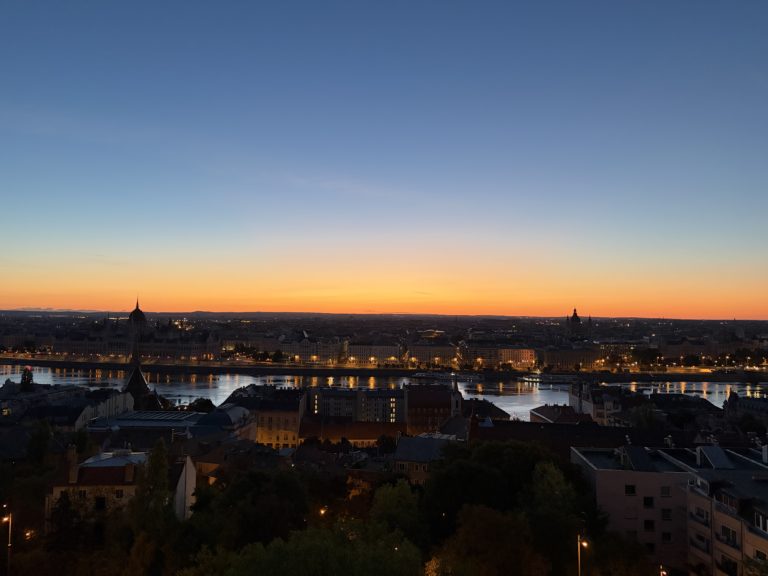
If you are in Budapest for Erasmus, one of the best things about the city is that you can do a lot without spending much money. There are many beautiful places to visit that are completely free, from viewpoints and parks to historic streets and impressive buildings. As students, we obviously love finding places where we can spend an afternoon without having to worry about our budget. So, here are 10 of our favourite free places to visit in Budapest. 1. Fisherman’s Bastion Fisherman’s Bastion is probably one of the most beautiful places in Budapest. It is located on the Buda side, near Buda Castle, and has amazing views over the Danube and the whole city. The best part is that most of the area is completely free to visit. There are some upper towers that require a ticket, but you can still get a great view without paying. We…
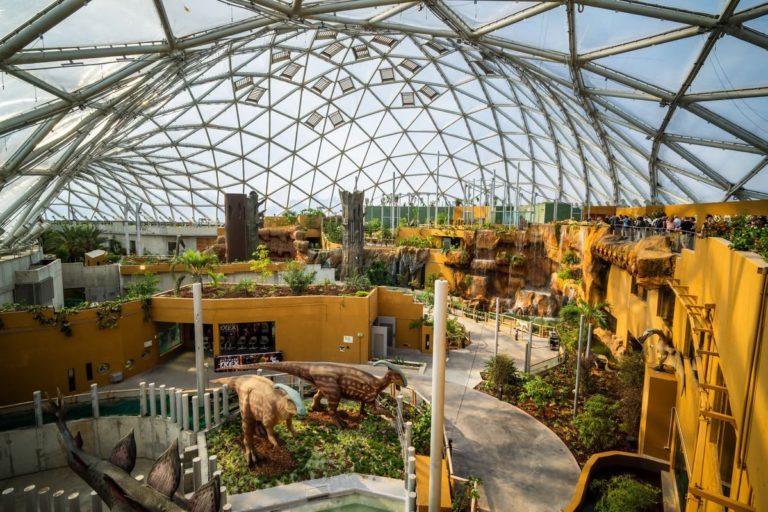
The Budapest Zoo & Botanical Garden is located next to Heroes’ Square, inside Városliget. It is one of the places we wanted to visit because it is quite different from the other attractions in Budapest. The Zoo covers around 11 hectares and is home to more than 8,000 animals. There are many different areas to explore, so we decided to take our time and spend several hours inside. What can you find inside the Zoo? There is a lot to see. You can find elephants, tigers, giraffes, gorillas, penguins, seals, sharks and many other animals. There are also many different buildings and areas, such as the Elephant House, the Great Ape House, the Savanna House, the Palm House and Aquarium and the Shark School. There are also areas dedicated to Australia, Madagascar, South America and Southeast Asia. One thing we liked is that the Zoo does not feel like just…
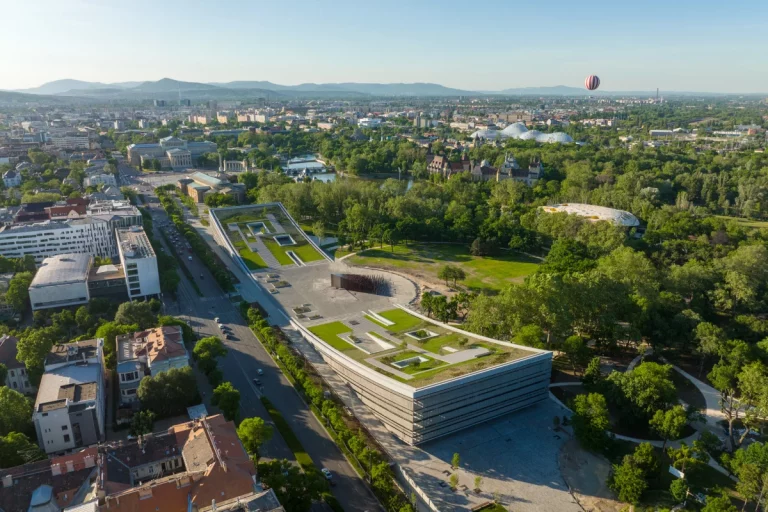
If you head into the green heart of Budapest’s City Park (Városliget), you will stumble upon an architectural marvel that looks like a giant, futuristic skateboard ramp covered in lush meadows. This is the new Museum of Ethnography (Néprajzi Múzeum). Instead of building a traditional, imposing monument that blocks the landscape, the architects did something revolutionary by designing a structure that curves gracefully into the earth, turning its entire, massive roof into a public, walkable hanging garden. This elevated urban park has quickly become a favorite sanctuary where city dwellers and travelers come to relax, walk, and experience the city from a completely fresh vantage point. A Bridge Between Nature and Culture Completed as part of the ambitious Liget Budapest Project, this award-winning building was designed by the Hungarian studio NAPUR Architect. The concept is beautifully poetic: the building is designed as two sweeping hills that meet in the center,…
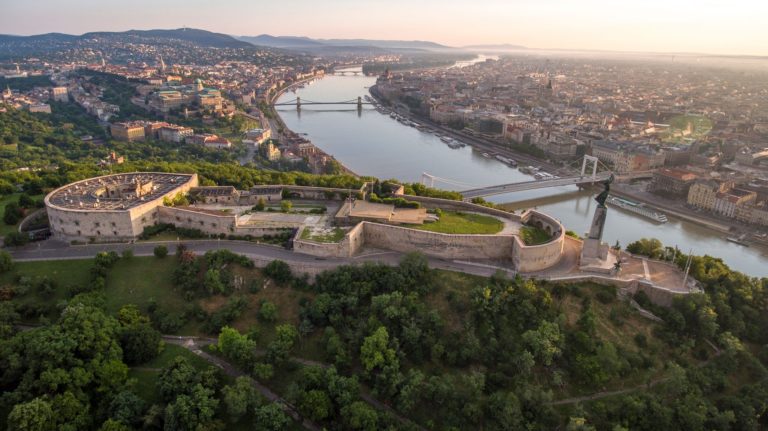
From any point in central Budapest if you look up, then you will be able to see a large stone castle looming from the top of Gellért Hill, with an enormous bronze woman standing with a palm leaf held to the sky. This is the Cittadella. For years it was considered simply the finest panoramic spot in Budapest. But the story of the limestone monster is a dark and highly ironic one, which is absolutely fascinating. And if you come to Budapest today, then you will experience the most dramatic changes that have been seen on this hill for more than a century. The History: A Fortress Built to Intimidate The majority of castles and fortresses are constructed by the city government in order to defend the citizens from the attacks by outsiders. However, the Cittadella is the absolute contradiction of this principle. In 1848, Hungarians organized a massive, and…
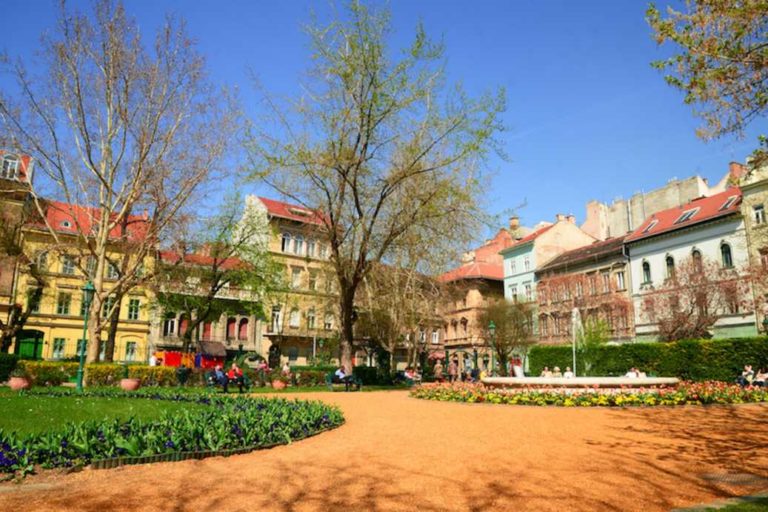
If you find yourself amidst the confusion at the busy crossroads of Astoria or Kálvin tér, where there are noisy cars and screeching trams passing around, it’s difficult to imagine that just three minutes’ walk will lead you into absolute silence. Hidden behind a row of old houses in the fifth district of Budapest is Károlyi Garden (Károlyi-kert). Fenced in by the high gates made of wrought iron, this is the oldest public garden left in Pest. This place is not only a garden but a perfect romantic oasis from the past times. Here are reasons for this garden to make the cut. The History: From Private Palace to Public Treasure The history of the garden begins with the extremely rich aristocratic family of Károlyi. At the end of the 18th century, the family erected an enormous Classicist palace (which currently forms the northern border of the park) along with…
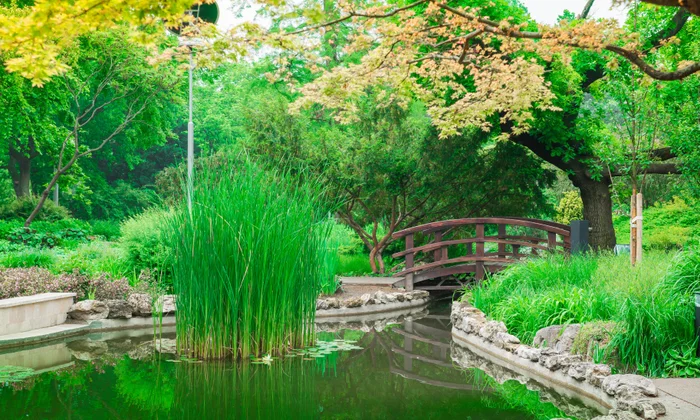
When you feel the need to find some inner peace amid the bustling streets of Budapest, but at the same time do not want to leave the urban environment, then one secluded place is sure to give you just what you are looking for. This quiet spot located in the northern part of the Margaret Island is called the Japanese Garden, which, in its native language, means Japánkert. This is more than just an area with Asian flora; this is an artistically crafted living masterpiece that can be traced back to the end of the 19th century. The Vision of a Master Gardener The garden was founded in 1882, and its creation was inspired by the vision of György Magyar, who was at that time the main gardener at the royal estates located on the island. In the last decades of the nineteenth century, there occurred the craze for all…
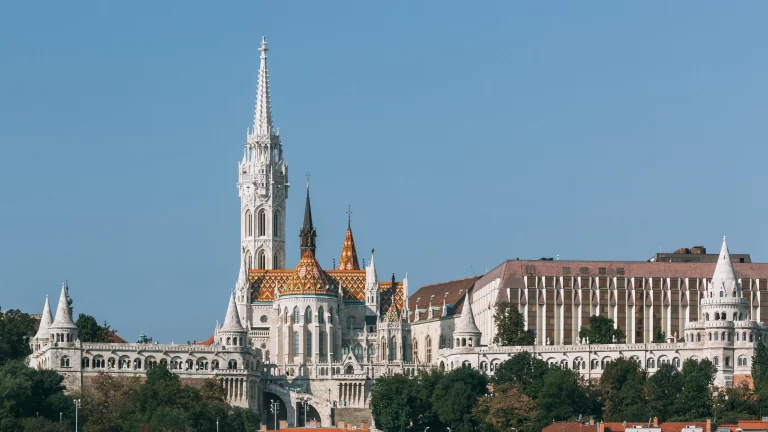
If you have come across pictures of Budapest, chances are that you must have seen Fisherman’s Bastion at least once. Its beautiful white stonework, conical towers, and magnificent view over the Danube river make it look like something out of a fairy tale. However, it’s much more than just a scenic site; this place is a real gem of Hungarian architecture and history. This article covers all there is to know about one of the most enchanting places of Budapest, from construction through to how to enjoy it without the crowd. Who Built It (And What’s With the Name?) Despite looking like an ancient medieval fortress, Fisherman’s Bastion (Halászbástya) is surprisingly modern. It was built between 1895 and 1902 by architect Frigyes Schulek. His goal wasn’t to build a defensive fort, but rather a panoramic viewing terrace that would complement the stunning Matthias Church right next to it. It was…