Category

Attractions

Category

There may be just one museum in Budapest which reflects the pure energy of human inventions and innovations and this is the Hungarian Technical and Transportation Museum (Közlekedési Múzeum). Be it an interest in railways, vintage cars or anything related to the engineering behind moving a whole city; this museum is surely one of the most ancient and interesting of such kind in Europe. However, for a visit to this place it will take some insider information because the museum has gone through quite a dramatic change in recent years. And here is all you need to know about its history and collections. A Century in City Park: The History In order to get a better understanding of the museum, we need to take a look back at 1899. The first incarnation of the museum in City Park (Városliget) opened during the 1896 Millennium Exhibition and it was an elegant,…

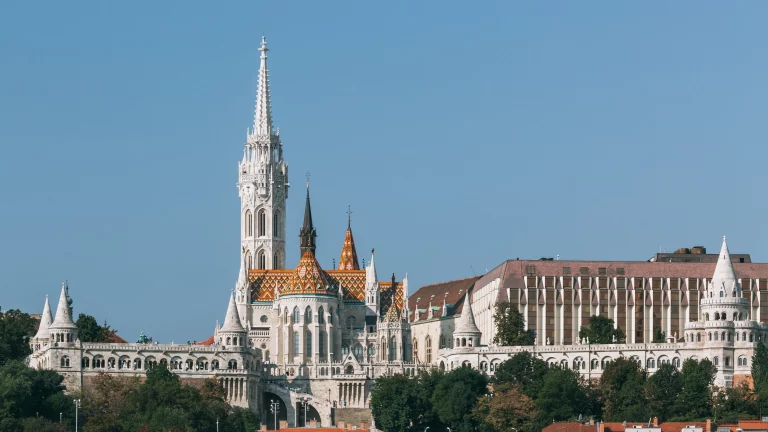
If you have come across pictures of Budapest, chances are that you must have seen Fisherman’s Bastion at least once. Its beautiful white stonework, conical towers, and magnificent view over the Danube river make it look like something out of a fairy tale. However, it’s much more than just a scenic site; this place is a real gem of Hungarian architecture and history. This article covers all there is to know about one of the most enchanting places of Budapest, from construction through to how to enjoy it without the crowd. Who Built It (And What’s With the Name?) Despite looking like an ancient medieval fortress, Fisherman’s Bastion (Halászbástya) is surprisingly modern. It was built between 1895 and 1902 by architect Frigyes Schulek. His goal wasn’t to build a defensive fort, but rather a panoramic viewing terrace that would complement the stunning Matthias Church right next to it. It was…

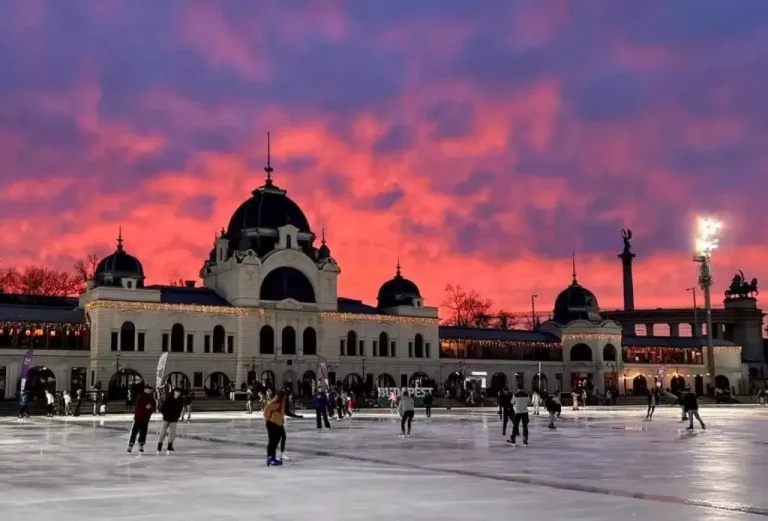
Visiting Budapest during winter time can take you to only one magical spot in this enchanting city. Lying right behind Heroes’ Square, you will find the City Park Ice Skating Rink (Városligeti Műjégpálya). What makes this particular ice skating rink more special than any other is its sheer size and location, making it seem like it was straight out of a fairy tale. The castle-like Vajdahunyad Castle, combined with the neo-Baroque pavilion, makes this particular place even more enchanting for those looking for an adventure that you cannot find in any other European country. A Playground for the High Society of the Late Nineteenth Century What makes the history of this ice rink unique is that it dates back even further than most people would think, thus making this an old, large-scale artificial ice rink facility in North America. The first records date from 1869, when a local skating club…

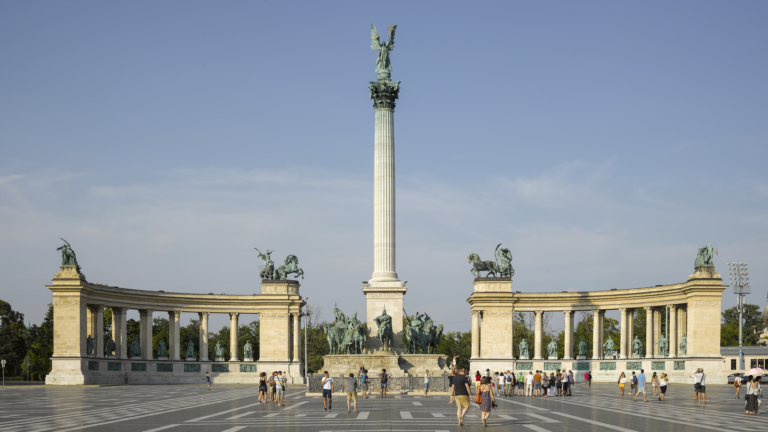
When you step into Heroes’ Square, the sheer scale of the Millennium Monument hits you immediately. It is a massive open space dominated by a soaring 36-meter column topped by the Archangel Gabriel and backed by two giant, semi-circular stone colonnades. Most tourists snap a quick selfie in front of the tribal Magyar chieftains on horseback and move right on, but if you look up, specifically at the very tops of those curved stone colonnades, you will spot something far more dramatic. Standing like epic sentinels at the inner edges of the columns are two massive bronze chariots driven by allegorical figures. On the left, a muscular man drives a war chariot, cracking a whip made of snakes, while on the right, a serene woman rides a chariot of peace, holding a palm branch high in the air. This intentional clash between War and Peace isn’t just decorative; it is…

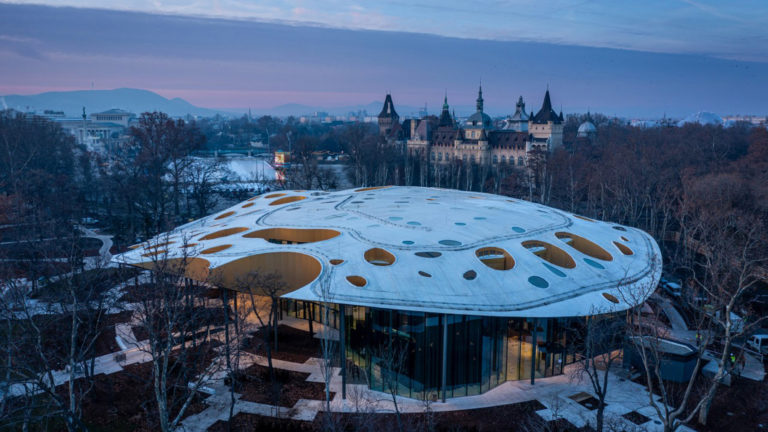
Imagine wandering through the dense, leafy trails of Budapest’s City Park (Városliget) and suddenly stumbling upon what looks like a giant, golden mushroom floating among the trees. This is the House of Music Hungary (Magyar Zene Háza). Since opening its doors in early 2022, this spectacular, undulating structure has completely redefined the city’s architectural landscape. It doesn’t just house music, the building itself is designed to feel like a visual symphony, thanks to his beautiful structure. Here is everything you need to know about how this beautiful structure was conceptualized, engineered, and what awaits you inside. The Vision and History For decades, the plot of land where the House of Music now sits was a dead zone, occupied by a cluster of abandoned, dilapidated Hungexpo office buildings. In 2014, as part of the massive Liget Budapest Project (the same initiative that built the nearby Museum of Ethnography), the city launched…

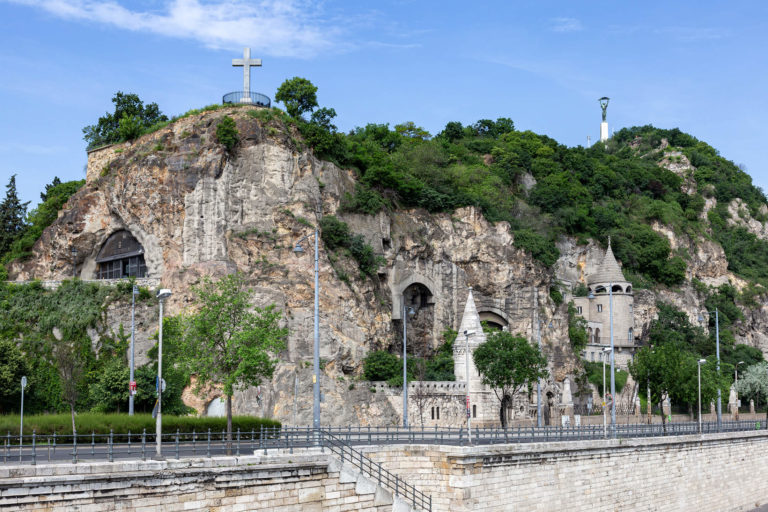
If you are standing on the Pest side of the city and look across the Danube River toward the rocky cliffs of Gellért Hill, there is a tiny detail that is incredibly easy to miss: a small stone portal carved directly into the mountainside, topped by a simple steel cross. From a distance, it looks like nothing more than a scenic lookout point. But if you cross the Liberty Bridge and step inside that cave mouth, you’ll find yourself in one of the most unique, spiritual, and historically dramatic spots in all of Budapest: The Cave Church (Sziklatemplom). The wild thing about this place is that you won’t find the usual polished marble pillars or soaring gothic arches here. The walls are made of raw, dark, unpolished mountain rock. But the real reason this place gives you goosebumps isn’t just the unique architecture—it’s the sheer survival story. This church didn’t…

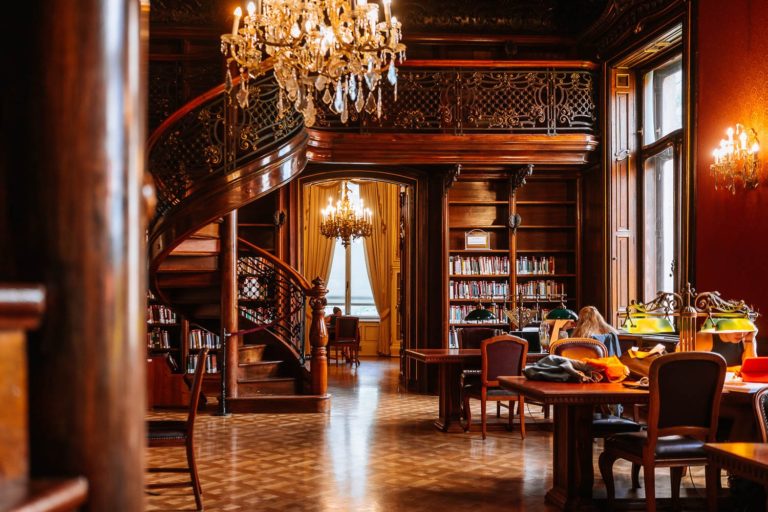
Picture yourself entering a generic-looking public library, passing through the turnstile after flashing your membership card, browsing some of the modern shelving units, and suddenly finding yourself inside an elaborate gold-painted, 19th-century neo-baroque palace by simply opening one of the many glass doors on the fourth floor. This scene does not belong to any fiction novel but is an everyday phenomenon at the Metropolitan Ervin Szabó Library (Fővárosi Szabó Ervin Könyvtár), which serves as the core of the library network in Budapest. Situated in the heart of the Palace District (Palotanegyed), this unique building represents one of the greatest mysteries of the city – the perfect combination of a university study room and an aristocratic mansion. 1. From Aristocratic Playground to Public Sanctuary In the middle of this exceptional collection is the **Wenckheim Palace**, an imposing neo-baroque mansion designed by the distinguished architect Arthur Meinig and constructed for Count Frigyes…

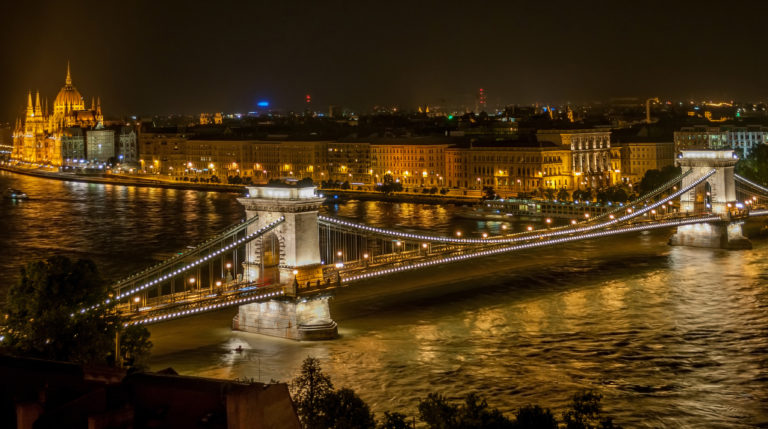
Walking along the Danube River, you can’t help but notice the most striking part of Budapest’s skyline: the Széchenyi Chain Bridge. With its amazing feat of engineering and two sturdy ends in Buda and Pest, it’s more than just a bridge—it represents Hungarian pride and unity. Now, underneath its fancy look and hefty chains is a popular tale locals adore. This story is about a nearly flawless design, a big embarrassment, and someone taking a tragic jump off the bridge into the icy water. People love sharing this intriguing mix of despair and mystery that sits alongside its glorious architecture. Why the Bridge Was Built The Chain Bridge’s size makes sense once you know about Buda and Pest before its construction. From 1849 on, these two cities were connected by the new bridge. Before that, during summertime, folks could use a floatable bridge to get across the Danube. Yet in…

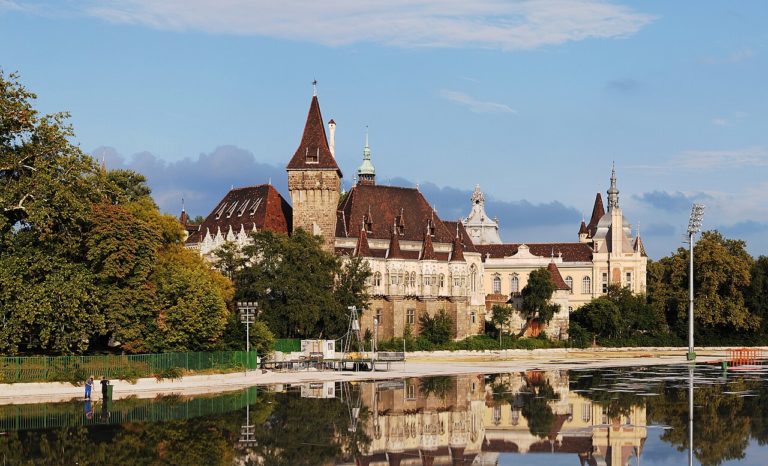
When walking through Budapest’s City Park (Városliget), just a stone’s throw from the grand monuments of Heroes’ Square, you suddenly stumble upon a sweeping architectural wonderland rising from the water. With its mix of sharp gothic spires, heavy Romanesque arches, and elegant pastel walls, the complex looks like a historic royal citadel that has guarded the city for centuries. This spectacular site is Vajdahunyad Castle (Vajdahunyad vára), a place where multiple eras of European history collide in a single courtyard. But the true story behind this fairytale fortress is one of the most bizarre, fascinating, and beloved pieces of urban lore in Central Europe. It is a massive monument that was never meant to last, built by an architect who essentially created a giant piece of historical copy-pasting. The 1000-Year Celebration: A Castle Made of Cardboard The story begins in 1896, a monumental year for Hungary. The country was celebrating…

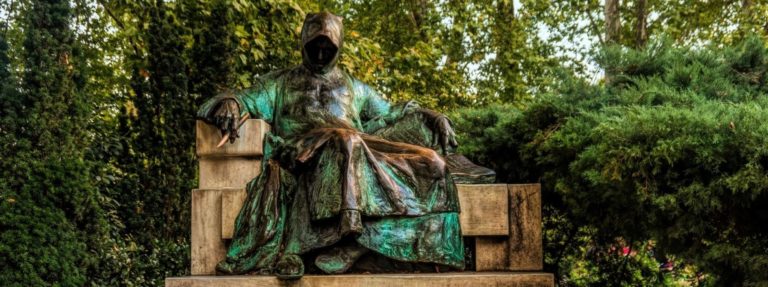
In Budapest’s City Park, right near the big Széchenyi Thermal Bath, there’s a spot that’s both mysterious and captivating. When you first look at the bronze statue, it can give you a small shiver. It shows a lone monk cloaked in a hood that fully hides his face. This is the Anonymous Statue, honoring an incredibly significant but totally unknown person in Hungarian history. Even if you don’t care much for history or are just a myth enthusiast, or if you’re wandering around Vajdahunyad Castle, you shouldn’t miss this odd statue. Who Was “Anonymus”? To understand the statue, you kinda have to begin with the man behind it, or really with the strange fog around him. “Anonymus” wasn’t only some bedtime tale, it actually existed , but almost nobody keeps the real name in mind anymore. He served as a notary and as a chronicler for a Hungarian king, a…