
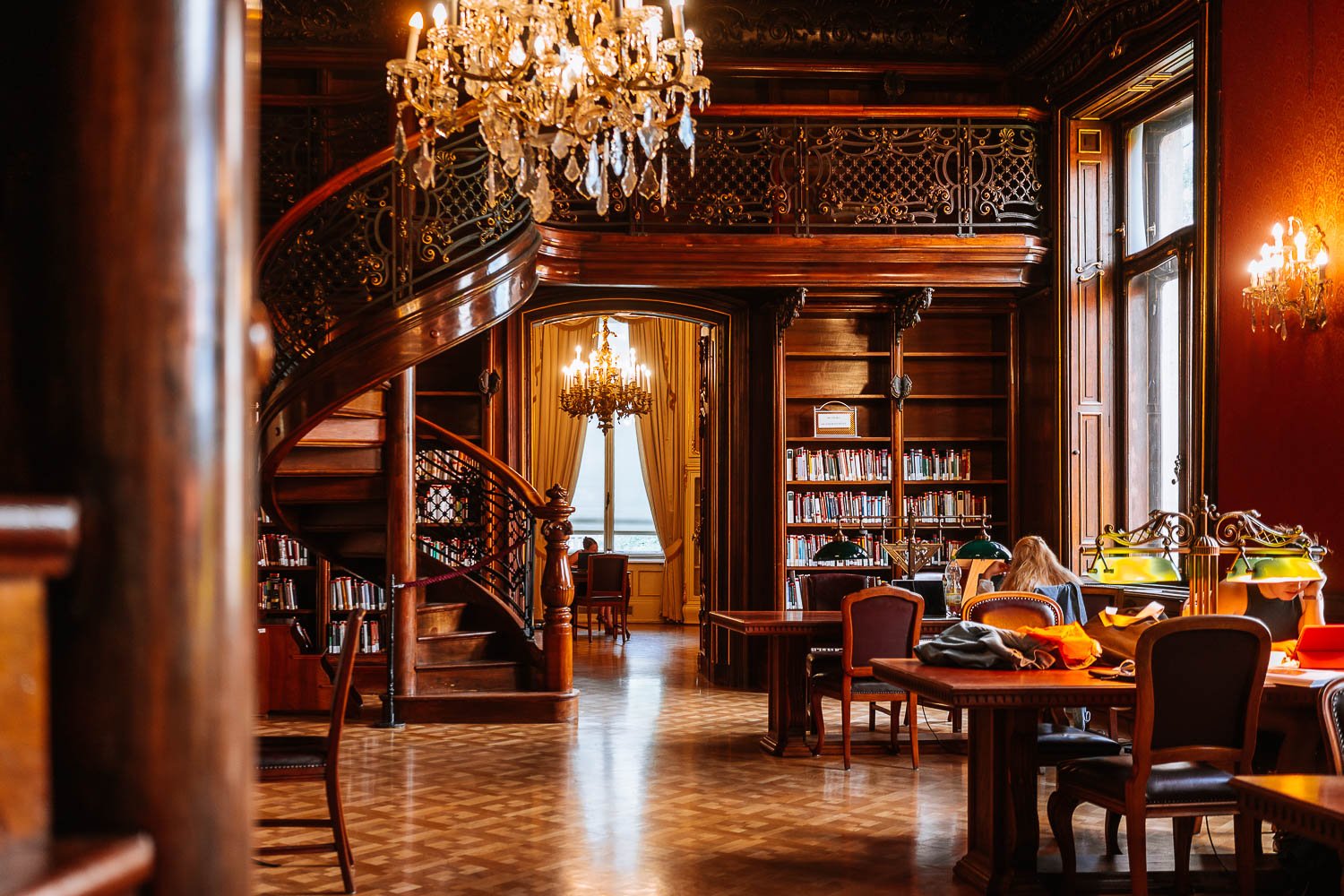
Picture yourself entering a generic-looking public library, passing through the turnstile after flashing your membership card, browsing some of the modern shelving units, and suddenly finding yourself inside an elaborate gold-painted, 19th-century neo-baroque palace by simply opening one of the many glass doors on the fourth floor.
This scene does not belong to any fiction novel but is an everyday phenomenon at the Metropolitan Ervin Szabó Library (Fővárosi Szabó Ervin Könyvtár), which serves as the core of the library network in Budapest. Situated in the heart of the Palace District (Palotanegyed), this unique building represents one of the greatest mysteries of the city – the perfect combination of a university study room and an aristocratic mansion.
1. From Aristocratic Playground to Public Sanctuary
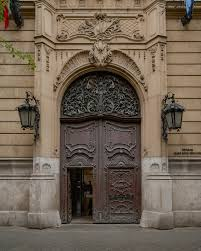
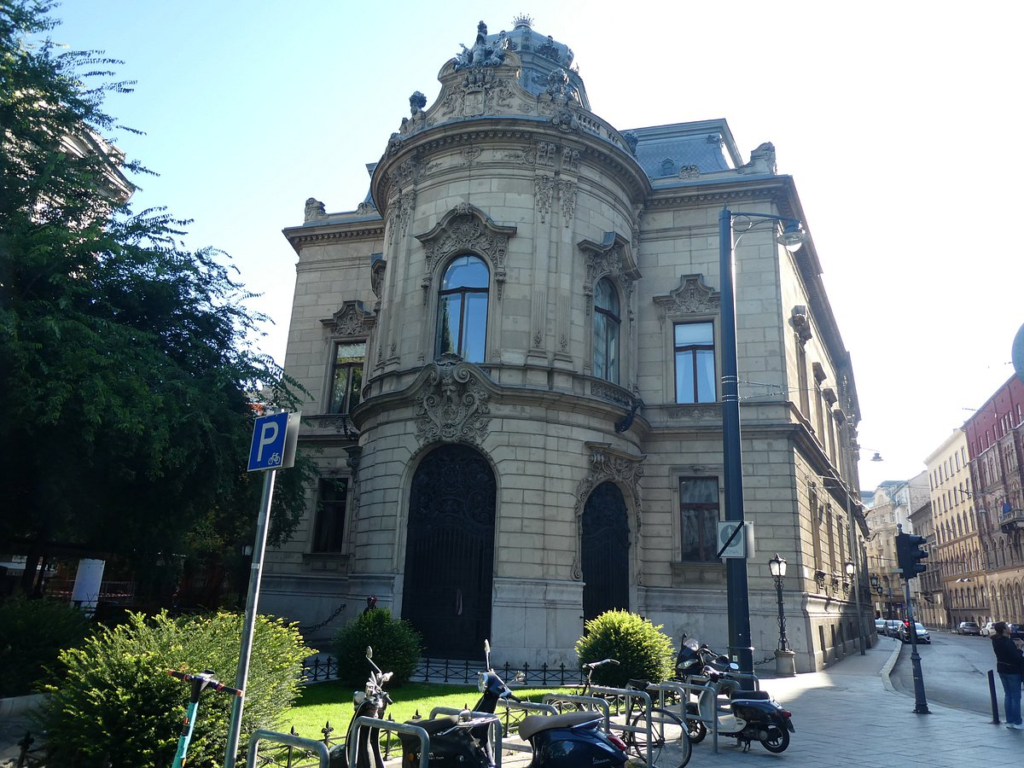
In the middle of this exceptional collection is the **Wenckheim Palace**, an imposing neo-baroque mansion designed by the distinguished architect Arthur Meinig and constructed for Count Frigyes Wenckheim from 1887 to 1889. Being one of the most powerful aristocratic clans of the period, the Wenckheim family spent fortunes on their urban residence, creating a spectacular setting for grand aristocratic balls, imperial receptions, and sumptuous dinner parties.
Unfortunately, the family’s glory could not last long into the 20th century. After experiencing financial difficulties related to the economic consequences of WWI, they could no longer afford to sustain such a magnificent place. Consequently, the city of Budapest acquired the palace in 1927 and transformed its destiny entirely by converting it into the city library. It opened its doors to students and scholars in 1931 and continues serving its public mission till today.
Moreover, the library was named after the famous Hungarian sociologist Ervin Szabó, whose efforts were focused on the improvement of the public library network throughout Budapest.
2. The Secret of the Fourth Floor: The Reading Rooms
As soon as one enters the main entrance of the library complex, one is met by the clean lines of a brand new concrete and glass construction, which was erected during a recent massive reconstruction of the early 2000s. Everything in there is pure academic atmosphere.
However, when one takes an elevator or uses the main staircase to climb up to the fourth floor, one will enter the time machine into the past. There, in the original rooms of Wenckheim Palace, you can find the most unique reading rooms for everyone who holds a library card.Not locked up behind the ropes as in the case of a regular museum, you can just go there and sit down, open your laptop, and work in rooms that feel like something from a historical movie set:
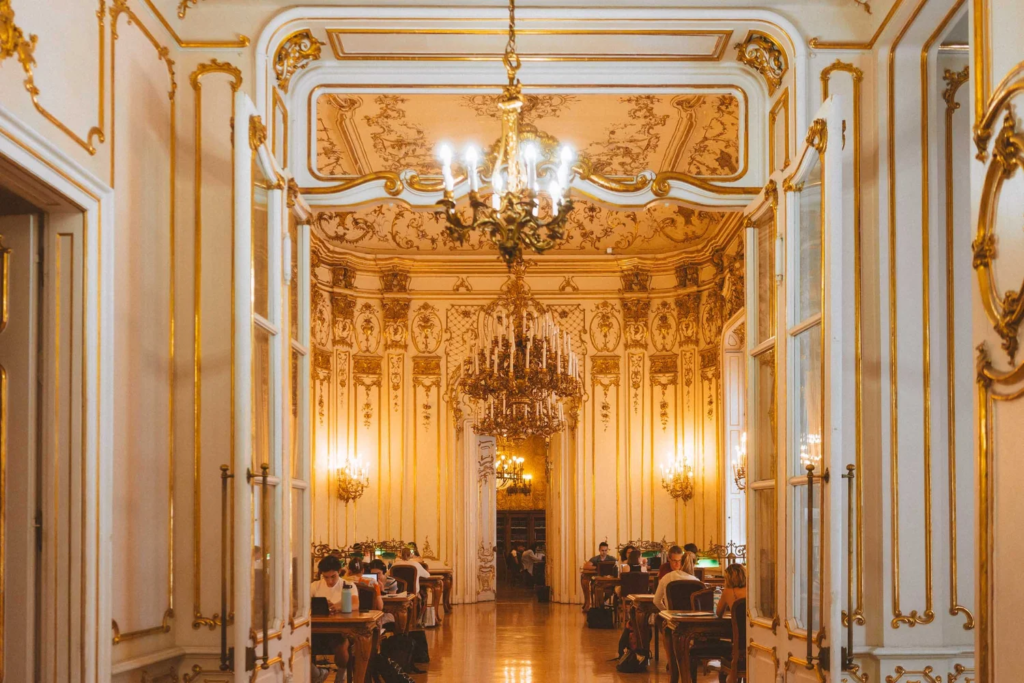
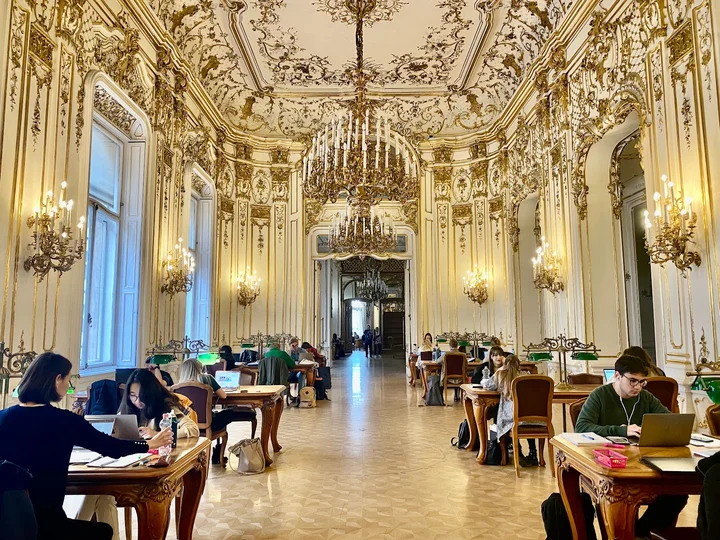
The Grand Ballroom: The biggest and the most amazing hall with high mirrors, exquisite white-and-gold ceiling decorations and enormous crystal chandeliers hanging on the ceiling. This time no longer aristocratic couples are dancing, but there are only rows of working desks.
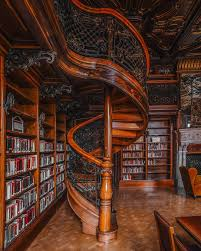
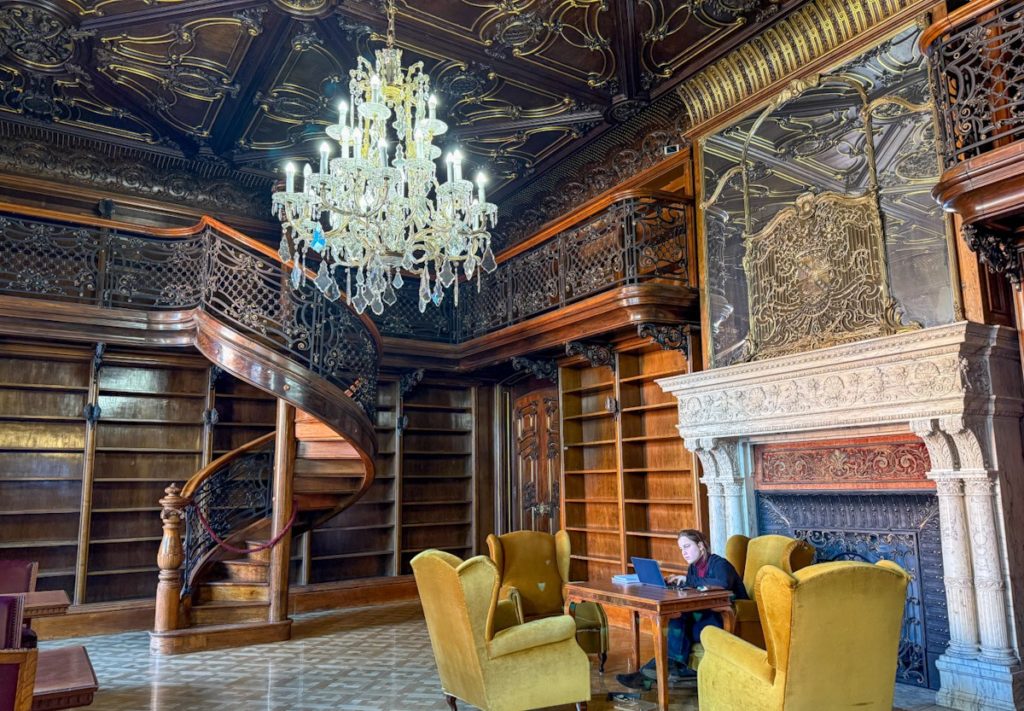
The Smoking Room (The Wood Room): Equipped with elegant spiral wooden staircases with elaborate handrails, dark wooden walls and a somewhat nostalgic atmosphere. The Smoking Room resembles an ideal English gentlemen’s club and, without any doubt, is the most favorite among students studying hard.
The Boudoir (The Gold and Silver Rooms): The rooms previously serving as the Countess’s private chambers, featuring graceful rococo decorations, huge fireplaces and magnificent silk wallpapers.
3. Palace’s Rules: A Guide for the Curious Visitor
Due to the fact that the Ervin Szabó Library functions as an active sanctuary for local university students and researchers, the building combines a very unusual mix of tourism and scientific work. In case you would like to experience a true magic of historical rooms in person, there are several key points that should be considered:
You Will Have to Buy a Ticket (it Is Extremely Affordable): One cannot just walk past the turnstile and enter the historical rooms to make some pictures for free. A **visitor’s pass** (or tourist ticket) must be purchased at the reception counter located on the first floor for a few hundred forints, which is extremely affordable even comparing with other architectural tours in Budapest.
Quiet Is Mandatory: As soon as you cross the threshold of the palace rooms through the glass door, you enter a zone of silence. Whispering is minimalized, and any mobile phone screen needs to be dimmed.
Photography in Non-Flash Mode: You can photograph the wonderful chandeliers and beautiful staircases of the historical building, but the use of flash is strictly prohibited. Metropolitan Ervin Szabó Library is an absolutely magnificent example of Budapest’s unique approach to architecture: using a symbol of elitism and converting it into an elegant, majestic library open to all.
Comments are closed.