
Budapest isn’t crowned the “City of Baths” simply because it boasts over 100 natural springs. Beneath the rising steam and grand architectural domes lies a millennia-old narrative, stretching from the Roman legions of Aquincum, to the beautiful Ottoman baths
The Roman Foundations: Aquincum and the Birth of Bath Culture
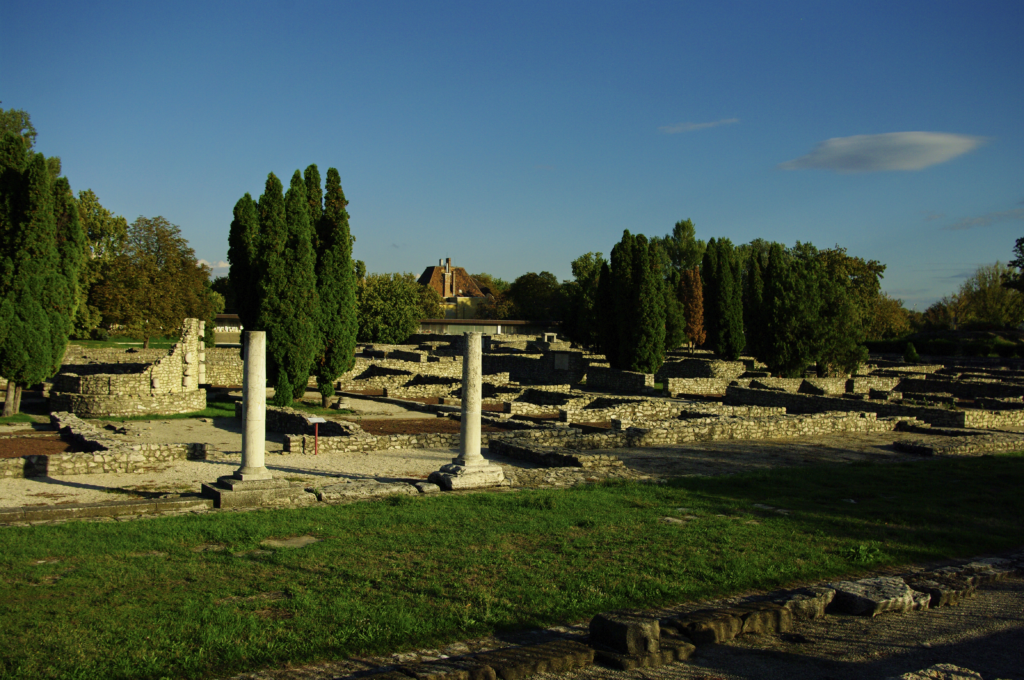
The history of the Budapest thermal baths dates back almost 2,000 years to the times of Rome. When the Roman Empire founded the town of Aquincum in what today is known as Óbuda (Part of Budapest), their selection of the site was primarily influenced by its rich sources of geothermal springs on the Danube fault line.
For the ancient Romans, taking baths was an essential part of their routine, cleaning habits, and recovery after wars. Numerous archaeological digs have revealed a total of 14 different baths in this region. The biggest one, called the Thermae Maiores, was a huge military bathhouse with state-of-the-art heating systems (hypocausts), a plunge pool (frigidarium), and heated rooms (calidarium).
The name Aquincum was thought to be derived from the Celtic language as a compound of Ak-Inck, meaning “Abundant Waters,” which was subsequently Latinized into Aquincum for its steaming springs.
The Golden Age of Ottoman Hamams (16th Century)
Whereas the decline of the Roman Empire interrupted organized bathing practices, they had an outstanding resurgence under the Ottoman rule of Hungary (1541-1686). It was not enough for the Turks merely to enjoy the natural properties of the springs: bathing became an integral part of religious practice in preparing for prayer through ritual cleansing (wudu).
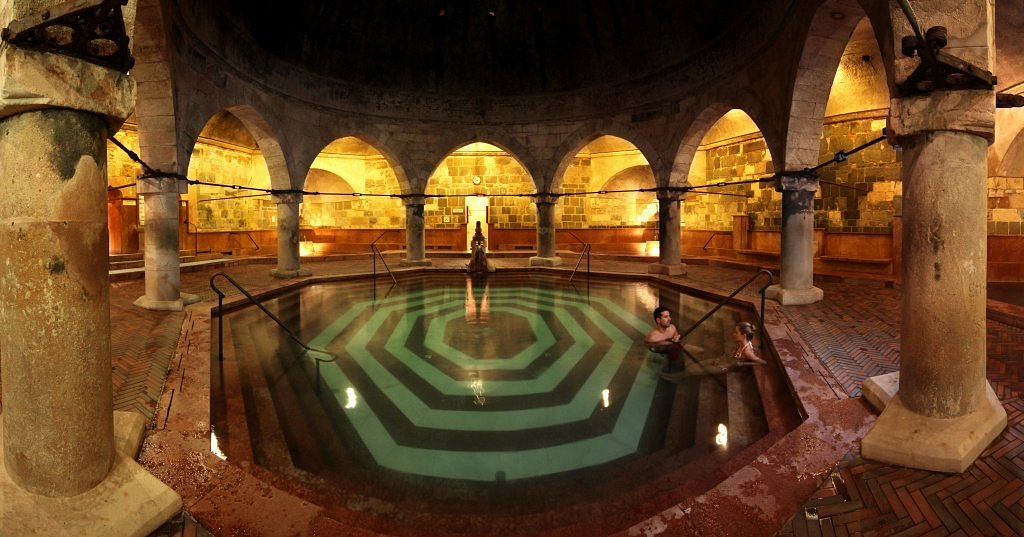
Since the Ottomans loved their baths to be erected right above the thermal spring sources, they built magnificent stone baths in the Buda area that have endured till the present day:
Rudas Thermal Bath: The Pasha’s Gem
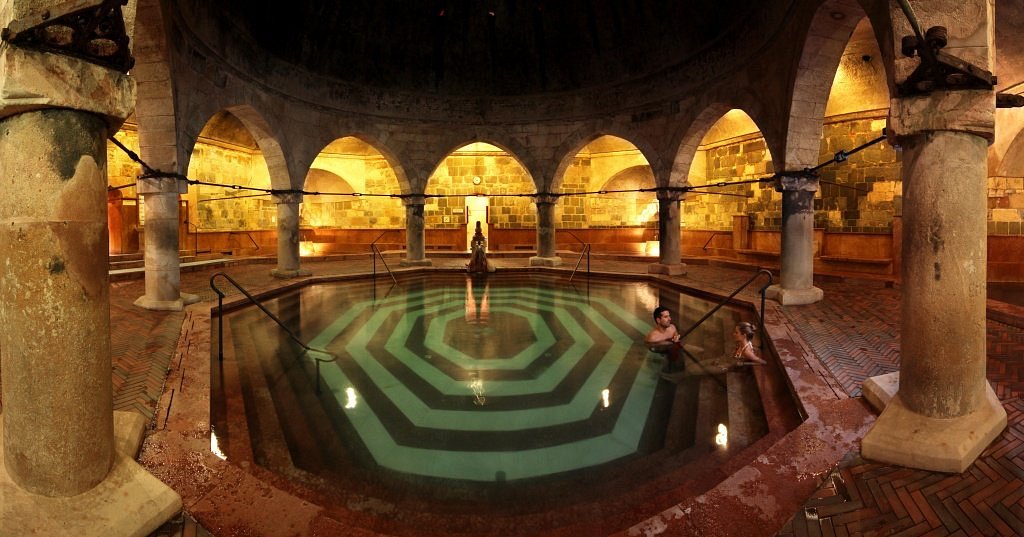
Constructed at the end of the sixteenth century by Pasha Mustafa Sokoli, Rudas Thermal Bath became an architectural gem of Ottoman heritage in Budapest. The centerpiece of the structure is a typical octagonal pool covered by a large circular stone dome with eight supporting columns measuring ten meters in diameter. Tiny openings within the dome were fitted with colored glasses to recreate the starry night illumination in the steam-filled bath room.
Király Bath: The Fortified Fortress
Rudas may be majestic, but Király Bath (constructed in 1565 by Arslan Pasha) has an intriguing military background. Unlike almost any other bath, Király was not positioned right above a thermal spring. The Turks created it within the fortified walls of Buda Castle, and a specially-built aqueduct brought the water all the way from the Lukács Bath to the new facility.
The Imperial Renaissance and the Belle Époque (19th–20th Century)
After the departure of the Ottomans, the baths took a radical turn. As the Austro-Hungarian Empire rose in prominence in the 19th century, the therapeutic value of Budapest’s natural mineral springs was backed up by medical research. This turned the religious bathing tradition into a fashionable trend of the upper class.
Instead of the gloomy, atmospheric Turkish stone houses, there appeared magnificent architectural masterpieces meant to display the affluence of Europe.
Széchenyi: Neo-Baroque Palaces
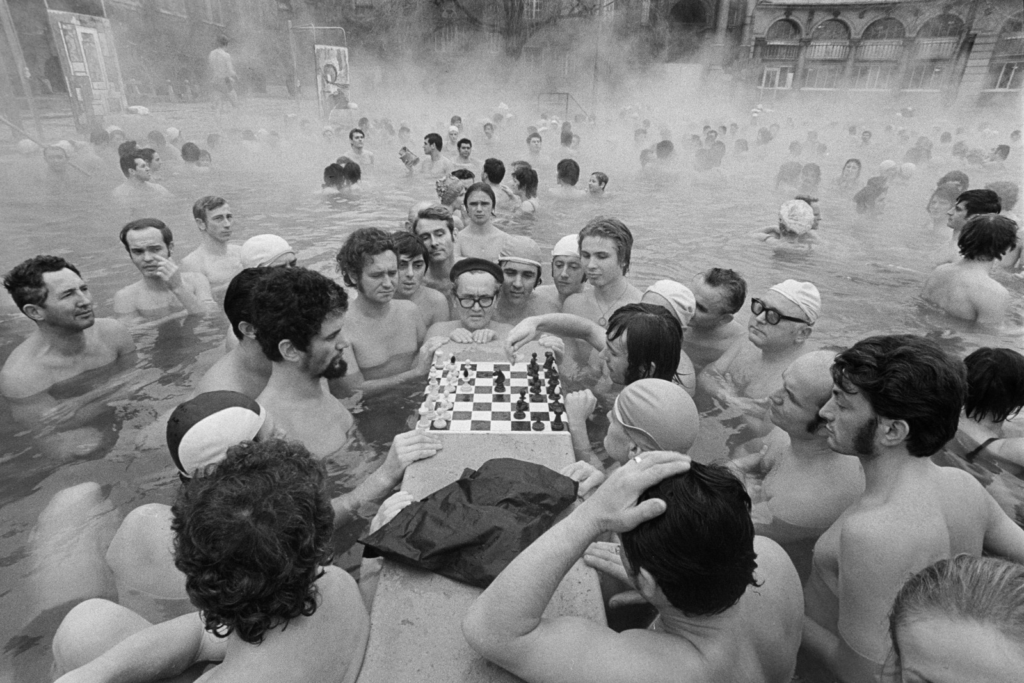
Inaugurated in 1913, the Széchenyi Baths stand as the largest medicinal bath complex in Europe. Beyond its striking yellow facade, Széchenyi holds a famous social tradition born in the mid-20th century: the water chess players (hybrid chess). Even if raining, local elderly men spend hours chest-deep in the 38°C outdoor pools, completely absorbed in matches played on floating plastic chessboards, eagerly challenging tourists and locals alike.
Széchenyi Thermal Bath, was the first thermal bath located on the banks of the Danube in Pest. The waters come from an artesian well, dug by the engineer Vilmos Zsigmond, that reaches a depth of almost 900 meters below the ground level. It was built by Győző Czigler in the form of imposing yellow Neo-Baroque pavilions competing with the imperial buildings of Vienna.
Gellért: Belle Époque Grandeur
Completed in 1918, at the foot of the Gellért Hill, the Gellért Thermal Bath is a masterpiece of high-end luxury architecture. Decorated with beautiful Zsolnay porcelain, iridescent turquoise mosaic, and magnificent stained-glass windows, the Gellért Thermal Bath was created as an expensive hotel and resort for affluent travelers who visited Central Europe.
Rác Thermal Bath
Buried in the shadows of the Gellért Hill, the Rác Baths stand as a perfect example of a blend between the old and new. It was first a Turkish bath dating back to the 16th century, but the 1860s brought about its transformation into an expansive Romantic-style building courtesy of the Hungarian architect Miklós Ybl, whose other notable work is the Hungarian State Opera Building.
Ybl introduced magnificent vaulted ceilings, decorative arches, and marble engravings to harmonize with the Ottoman stone.
The Soviet Era to Modern Day Preservation
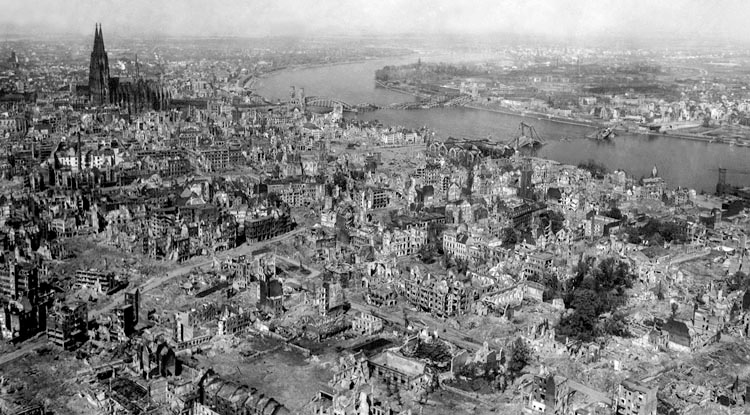
The 20th century presented numerous difficulties. During the Second World War, the majority of the bathhouses in Budapest experienced significant structural damage due to bombing. After the war and during the rule of Communism, the bathhouses were nationalized.
In addition, instead of serving the aristocracy, the bathhouses such as Lukács and Dandár (Two Historical Thermal Baths) opened up to the citizens who were working at nearby factories. Lukács Bath in particular was known as a covert meeting place for the intellectuals, authors, and artists in Budapest who would go into the steam rooms in order to discuss politics without being monitored by the authorities.
Comments are closed.