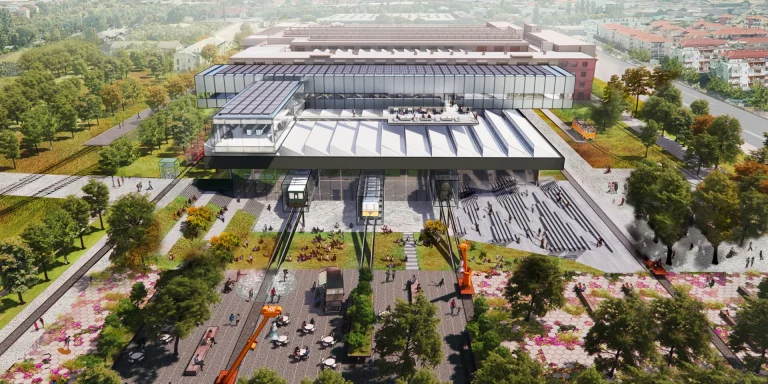
There may be just one museum in Budapest which reflects the pure energy of human inventions and innovations and this is the Hungarian Technical and Transportation Museum (Közlekedési Múzeum). Be it an interest in railways, vintage cars or anything related to the engineering behind moving a whole city; this museum is surely one of the most ancient and interesting of such kind in Europe. However, for a visit to this place it will take some insider information because the museum has gone through quite a dramatic change in recent years. And here is all you need to know about its history and collections. A Century in City Park: The History In order to get a better understanding of the museum, we need to take a look back at 1899. The first incarnation of the museum in City Park (Városliget) opened during the 1896 Millennium Exhibition and it was an elegant,…
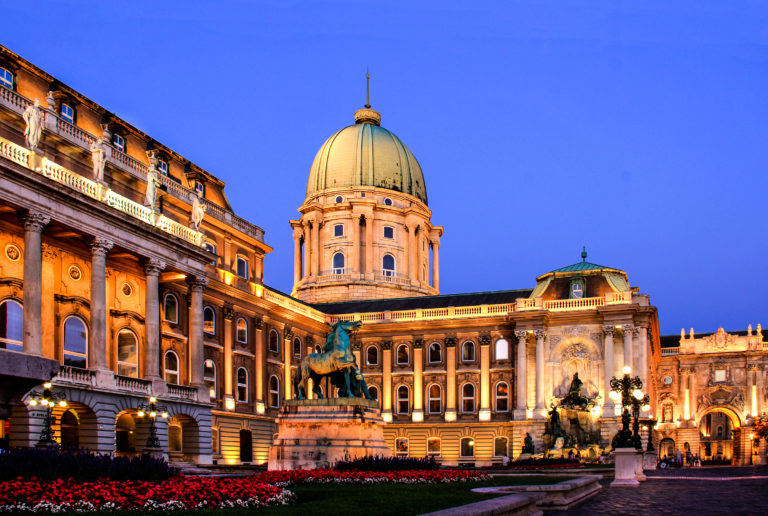
As one explores Budapest, chances are one will come across the Buda Castle located on the opposite side of the river, a massive and majestic building standing high on the Castle Hill. However, here comes one interesting fact that many travelers have not realized before: the best use of time spent within these ancient castle grounds cannot be in searching for any rooms of royalty. The best thing to do in the castle is to explore the Hungarian National Gallery (Magyar Nemzeti Galéria), which is located within the wings of the royal castle. Why Visit? (Hint: It’s Not a Typical “Palace” Tour) Setting the right expectations from the beginning, the castle will not offer you any gilded halls decorated with magnificent furniture belonging to the Habsburg family. The reason being that most of the castle’s decor was destroyed in the war. Therefore, instead of royal rooms, you are presented with…
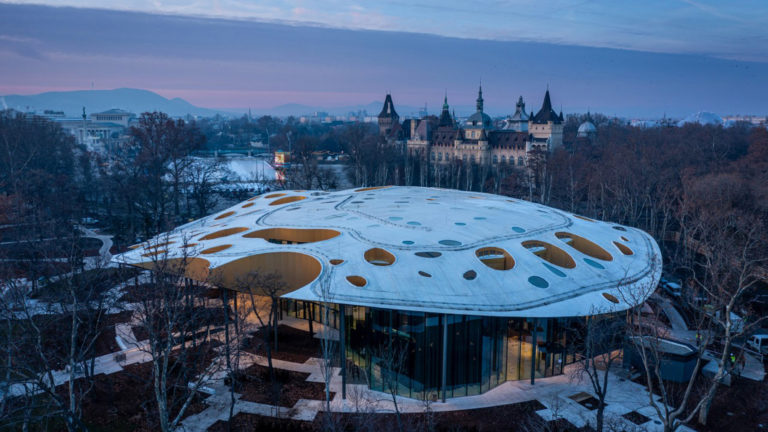
Imagine wandering through the dense, leafy trails of Budapest’s City Park (Városliget) and suddenly stumbling upon what looks like a giant, golden mushroom floating among the trees. This is the House of Music Hungary (Magyar Zene Háza). Since opening its doors in early 2022, this spectacular, undulating structure has completely redefined the city’s architectural landscape. It doesn’t just house music, the building itself is designed to feel like a visual symphony, thanks to his beautiful structure. Here is everything you need to know about how this beautiful structure was conceptualized, engineered, and what awaits you inside. The Vision and History For decades, the plot of land where the House of Music now sits was a dead zone, occupied by a cluster of abandoned, dilapidated Hungexpo office buildings. In 2014, as part of the massive Liget Budapest Project (the same initiative that built the nearby Museum of Ethnography), the city launched…
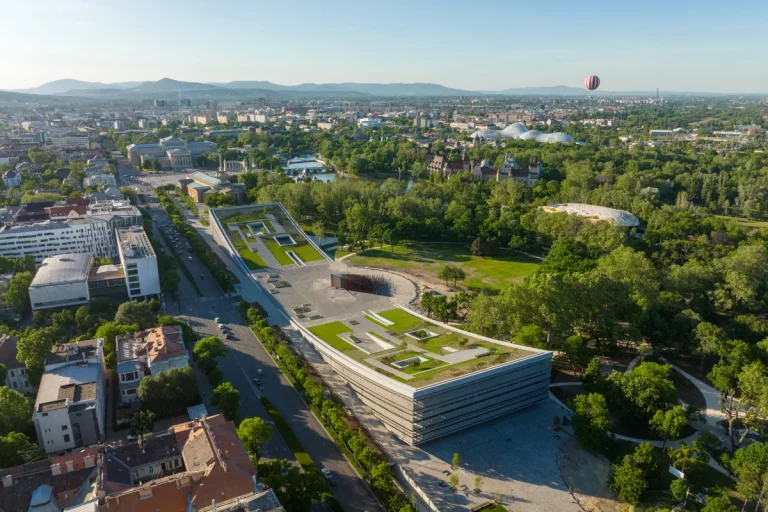
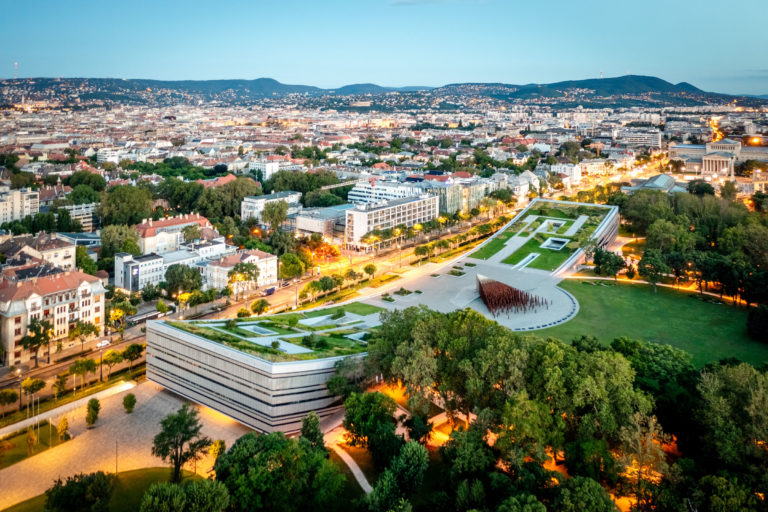
If you walk through Budapest’s Városliget (City Park) today, it is impossible to miss the striking structure rising smoothly from the ground like a massive half-pipe. After a century and a half of wandering, the Museum of Ethnography (Néprajzi Múzeum) finally opened the doors to its custom-built, permanent home in May 2022. Designed by Marcel Ferencz of the Hungarian firm NAPUR Architect, who beat out architectural heavyweights like Zaha Hadid and Rem Koolhaas for the commission, the building acts as a physical and visual gateway between the bustling city and the tranquility of the park. By placing the vast exhibition buildings below ground level, this building achieves the perfect balance between preserving the old scale of City Park and offering a large amount of space for one of the most important cultural collections in Europe. A 150-Year Journey Home The museum’s collection now boasts over 250,000 items from the Carpathian…
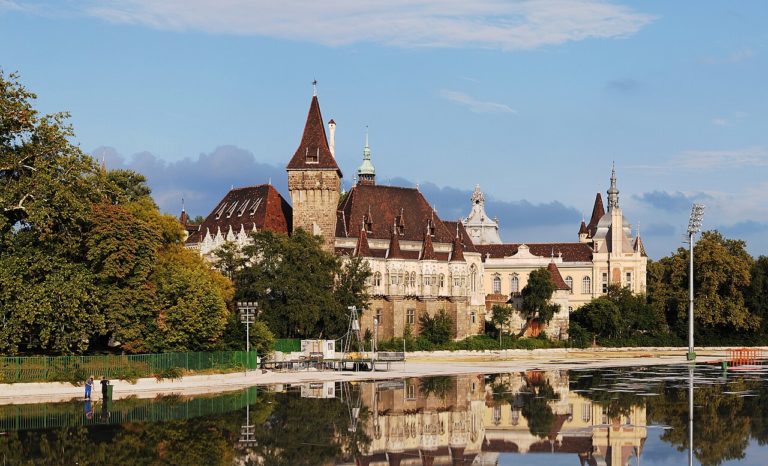
When walking through Budapest’s City Park (Városliget), just a stone’s throw from the grand monuments of Heroes’ Square, you suddenly stumble upon a sweeping architectural wonderland rising from the water. With its mix of sharp gothic spires, heavy Romanesque arches, and elegant pastel walls, the complex looks like a historic royal citadel that has guarded the city for centuries. This spectacular site is Vajdahunyad Castle (Vajdahunyad vára), a place where multiple eras of European history collide in a single courtyard. But the true story behind this fairytale fortress is one of the most bizarre, fascinating, and beloved pieces of urban lore in Central Europe. It is a massive monument that was never meant to last, built by an architect who essentially created a giant piece of historical copy-pasting. The 1000-Year Celebration: A Castle Made of Cardboard The story begins in 1896, a monumental year for Hungary. The country was celebrating…
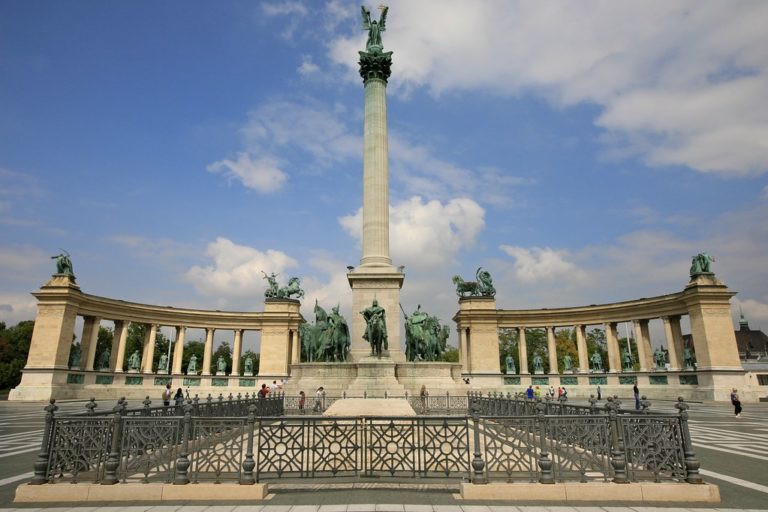
Standing at the end of Budapest’s grand Andrássy Avenue, Heroes’ Square (Hősök tere) immediately captures the imagination with its commanding statues, towering columns, and sweeping open space. As one of the most visited and photographed landmarks in the Hungarian capital, the square is more than just an architectural marvel, it is a powerful symbol of national pride and collective memory. Constructed at the turn of the 20th century, Heroes’ Square commemorates the thousand-year history of the Hungarian people, honoring both mythic founders and influential leaders who shaped the nation’s identity. With its rich historical context and cultural significance, the square remains a focal point for both reflection and celebration in modern Hungary. Historical Background Heroes’ Square (Hősök tere) was conceived as a monumental tribute to Hungary’s millennial anniversary, commemorating 1,000 years since the Magyars settled in the Carpathian Basin in 896 AD. Initiated in 1896, the project was part of…
The Budapest Museum of Fine Arts (Szépművészeti Múzeum) is a cultural gem located in the iconic Heroes’ Square in the heart of the Hungarian capital. Founded in the early 20th century, this museum houses an extensive collection of more than 100,000 works spanning a broad spectrum of time, from Ancient Egyptian artefacts and classical sculptures to European paintings up to the 20th century. Thanks to the diversity and quality of its collection, it has established itself as one of the most important museums in Central Europe. The neoclassical building stands out both for its façade and its spacious interior rooms, which offer a quiet and well-organised environment in which to enjoy art in peace and quiet. Over the years, the museum has been able to adapt to the times, renovating its spaces and expanding its exhibition offer with temporary exhibitions that complement its permanent collection. Whether for academic interest, cultural…
Perched majestically atop Castle Hill, overlooking the sparkling waters of the Danube River, Buda Castle stands as one of Budapest’s most iconic landmarks. With its grand domes, ornate façades, and sweeping panoramic views, the castle is not just a feast for the eyes, it’s a living testament to Hungary’s turbulent yet rich history. Once the royal residence of Hungarian kings, today Buda Castle invites visitors from around the world to step into a world where centuries-old architecture meets vibrant cultural life. Recognized as a UNESCO World Heritage Site, this architectural masterpiece has evolved over the ages, witnessing invasions, wars, and rebirths, each leaving its mark on the stone walls and cobblestone streets. Whether you’re drawn by its historical depth, artistic treasures, or simply the stunning views, Buda Castle is a must-see destination that captures the soul of Budapest. A Glimpse into History The story of Buda Castle begins in the…
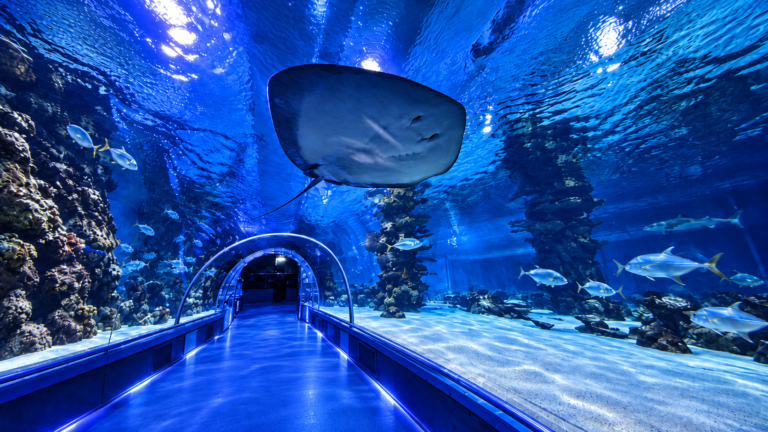
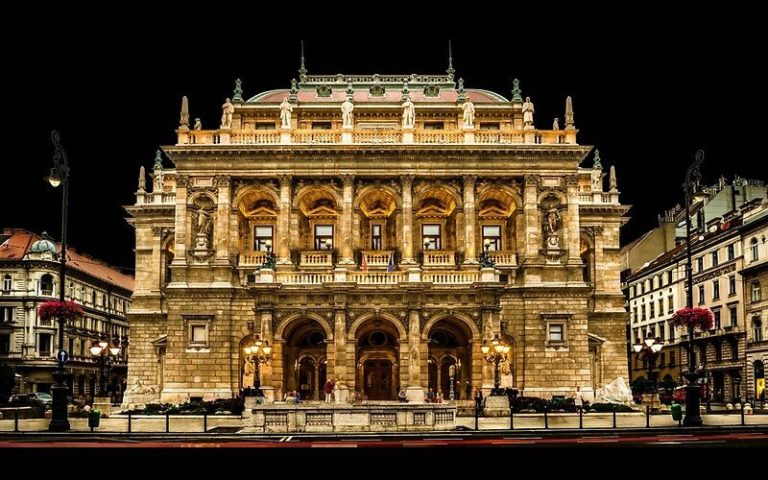
Budapest offers a vibrant mix of cultural experiences, thrilling activities, and exciting nightlife. From world-class theaters like the Erkel and Budapest Operetta Theatre to immersive museums and exhibitions, the city has something for everyone. Visitors can enjoy shopping at iconic malls like WestEnd and Arena Plaza, explore unique attractions such as the Tropicarium‑Oceanarium, or challenge themselves at escape rooms. When the sun sets, Budapest’s famous ruin bars, like Szimpla Kert and Instant‑Fogas Ház, come to life, offering an unforgettable nightlife experience. Theatrical Venues Erkel Theatre The Erkel Theatre, located at 30 II. János Pál pápa tér in Budapest, is the largest theatre in Hungary and a significant cultural landmark. Opened in 1911 as the People’s Opera, its design aimed to make opera accessible to the working class. The theatre features a spacious auditorium with excellent acoustics, accommodating up to 2,400 spectators. Over the years, it has hosted a variety of…
The Hungarian National Museum, or Magyar Nemzeti Múzeum, stands as a key institution in the heart of Budapest, acting as the main repository of Hungarian history, art and archaeology. Its mission encompasses the presentation of the rich and complex history of Hungary and the Carpathian Basin from prehistoric times to the present day. Housed in an impressive neoclassical building, the museum not only houses a vast collection of artefacts, but also serves as a symbol of Hungarian national identity. The purpose of this article is to offer a detailed overview of this important museum, providing practical information for visitors and highlighting its profound cultural and historical significance. Practical Information for Visitors For those planning to explore the treasures housed in the Hungarian National Museum, practical information is essential to facilitate the visit. The exact address of the museum is Múzeum körút 14-16, 1088 Budapest, Hungary. Its central location in Budapest…