The Chain Bridge (Széchenyi Lánchíd) is one of the most iconic landmarks of Budapest, spanning the Danube River and connecting the Buda and Pest sides of the city. It stands as a symbol of unity and architectural heritage for the Hungarian capital. Opened on November 20, 1849, the bridge was the first permanent stone bridge to cross the Danube in Hungary, marking a key milestone in the country’s modernization and economic revival. Its construction was a significant feat, not only engineering-wise but also symbolically, as it united two distinct parts of the city. Today, the Chain Bridge remains a cultural and historical emblem, illuminated at night to highlight its majestic design. It continues to serve as an essential pedestrian and vehicular link over the river, attracting both locals and tourists who marvel at its beauty and historical significance. History of the Chain Bridge The Need to Unite Buda and Pest…
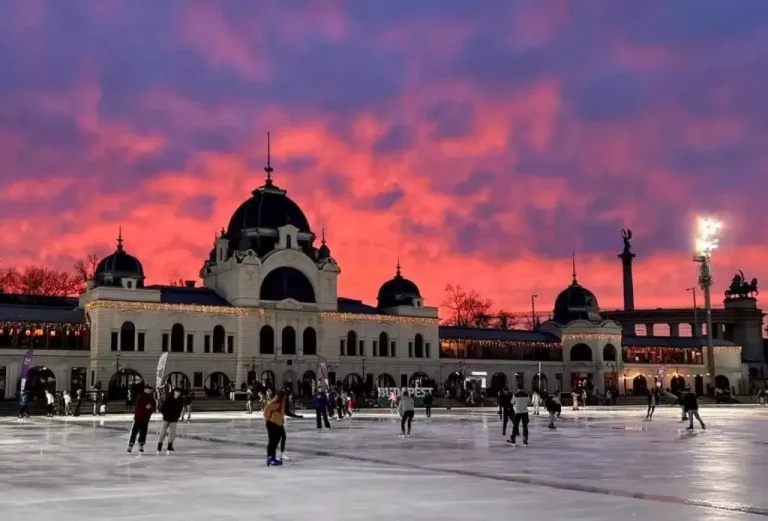
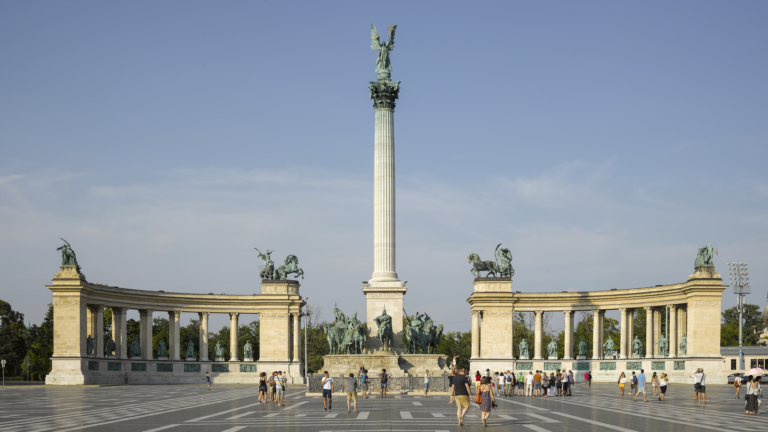
Standing at the end of Budapest’s grand Andrássy Avenue, Heroes’ Square (Hősök tere) immediately captures the imagination with its commanding statues, towering columns, and sweeping open space. As one of the most visited and photographed landmarks in the Hungarian capital, the square is more than just an architectural marvel, it is a powerful symbol of national pride and collective memory. Constructed at the turn of the 20th century, Heroes’ Square commemorates the thousand-year history of the Hungarian people, honoring both mythic founders and influential leaders who shaped the nation’s identity. With its rich historical context and cultural significance, the square remains a focal point for both reflection and celebration in modern Hungary. Historical Background Heroes’ Square (Hősök tere) was conceived as a monumental tribute to Hungary’s millennial anniversary, commemorating 1,000 years since the Magyars settled in the Carpathian Basin in 896 AD. Initiated in 1896, the project was part of…
Budapest Beer Week (BPBW) is Hungary’s leading international craft beer festival, an event that celebrates the passion, creativity and community behind craft brewing. Held annually in Budapest, this week-long festival attracts thousands of beer enthusiasts from around the world, offering a unique experience combining unlimited tastings, live music, street food and networking opportunities for industry professionals. For 2025, the festival is scheduled from 26 May to 1 June, promising a vibrant edition that cements Budapest as a key destination on the global beer map. History of Budapest Beer Week BPBW was established in 2018, at a time when the craft beer scene in Hungary was beginning to flourish. Since its inception, the festival has sought to promote both local and international breweries, providing a platform for producers to showcase their most innovative creations. In just a few years, BPBW has grown to become a landmark event, attracting approximately 5,000 visitors…
The Budapest Museum of Fine Arts (Szépművészeti Múzeum) is a cultural gem located in the iconic Heroes’ Square in the heart of the Hungarian capital. Founded in the early 20th century, this museum houses an extensive collection of more than 100,000 works spanning a broad spectrum of time, from Ancient Egyptian artefacts and classical sculptures to European paintings up to the 20th century. Thanks to the diversity and quality of its collection, it has established itself as one of the most important museums in Central Europe. The neoclassical building stands out both for its façade and its spacious interior rooms, which offer a quiet and well-organised environment in which to enjoy art in peace and quiet. Over the years, the museum has been able to adapt to the times, renovating its spaces and expanding its exhibition offer with temporary exhibitions that complement its permanent collection. Whether for academic interest, cultural…
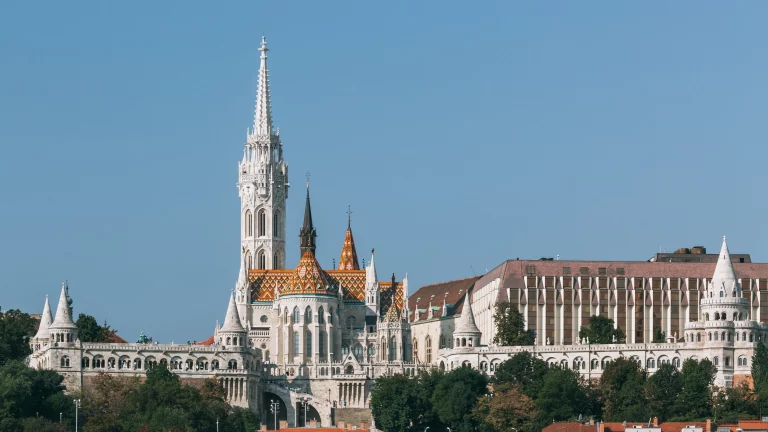
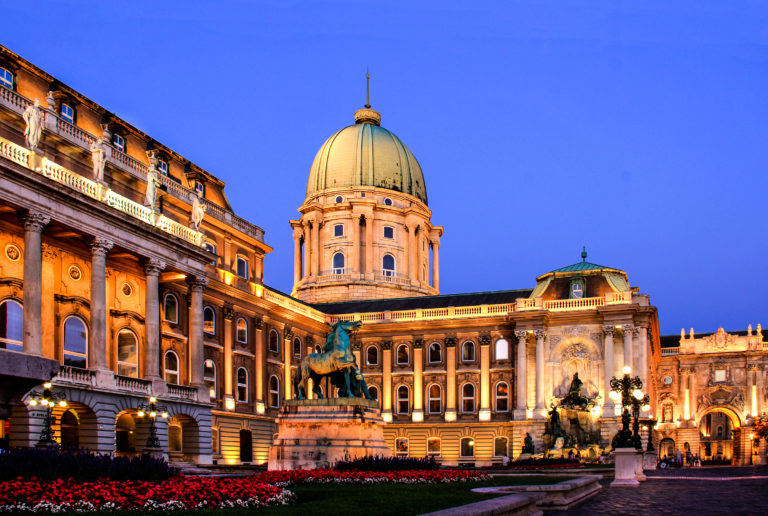
Perched majestically atop Castle Hill, overlooking the sparkling waters of the Danube River, Buda Castle stands as one of Budapest’s most iconic landmarks. With its grand domes, ornate façades, and sweeping panoramic views, the castle is not just a feast for the eyes, it’s a living testament to Hungary’s turbulent yet rich history. Once the royal residence of Hungarian kings, today Buda Castle invites visitors from around the world to step into a world where centuries-old architecture meets vibrant cultural life. Recognized as a UNESCO World Heritage Site, this architectural masterpiece has evolved over the ages, witnessing invasions, wars, and rebirths, each leaving its mark on the stone walls and cobblestone streets. Whether you’re drawn by its historical depth, artistic treasures, or simply the stunning views, Buda Castle is a must-see destination that captures the soul of Budapest. A Glimpse into History The story of Buda Castle begins in the…
The Danube River, often celebrated as the “Queen of European Rivers,” is one of the continent’s most iconic waterways. Spanning approximately 2,850 kilometers, it is Europe’s second-longest river after the Volga. From its source in Germany’s Black Forest to its delta in the Black Sea, the Danube meanders through ten countries, binding them through a shared geography, history, and culture. A River Woven into European History Few rivers have witnessed as much history as the Danube. It served as a critical frontier for the Roman Empire, where outposts and forts lined its banks. In medieval times, it became a trade route linking the Holy Roman Empire to the Byzantine world. During the Ottoman expansion and the Austro-Hungarian reign, the Danube remained a central artery of power, movement, and influence. The river has also been a backdrop for revolutions, battles, and diplomatic exchanges. Empires rose and fell along its banks, and…
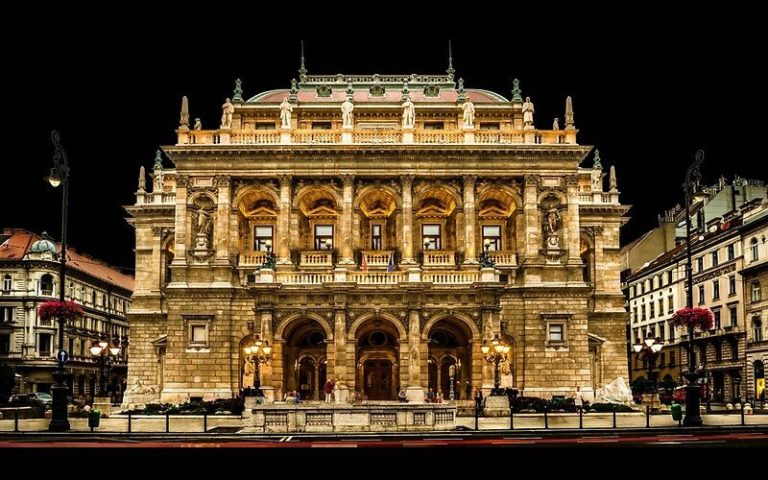
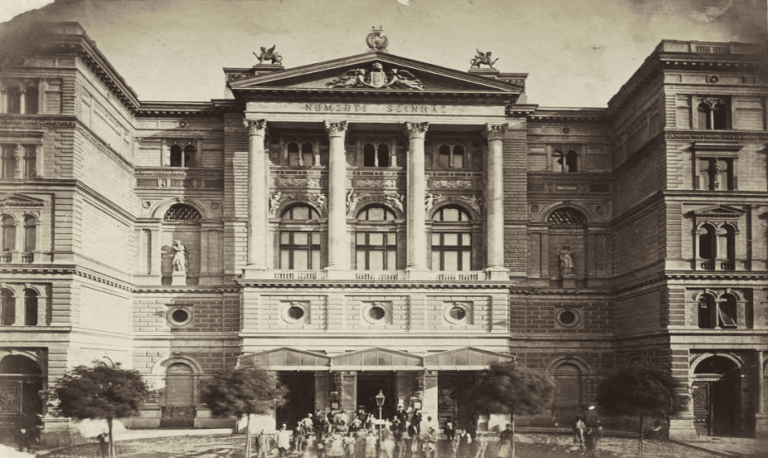
Budapest offers a vibrant mix of cultural experiences, thrilling activities, and exciting nightlife. From world-class theaters like the Erkel and Budapest Operetta Theatre to immersive museums and exhibitions, the city has something for everyone. Visitors can enjoy shopping at iconic malls like WestEnd and Arena Plaza, explore unique attractions such as the Tropicarium‑Oceanarium, or challenge themselves at escape rooms. When the sun sets, Budapest’s famous ruin bars, like Szimpla Kert and Instant‑Fogas Ház, come to life, offering an unforgettable nightlife experience. Theatrical Venues Erkel Theatre The Erkel Theatre, located at 30 II. János Pál pápa tér in Budapest, is the largest theatre in Hungary and a significant cultural landmark. Opened in 1911 as the People’s Opera, its design aimed to make opera accessible to the working class. The theatre features a spacious auditorium with excellent acoustics, accommodating up to 2,400 spectators. Over the years, it has hosted a variety of…
The Hungarian National Museum, or Magyar Nemzeti Múzeum, stands as a key institution in the heart of Budapest, acting as the main repository of Hungarian history, art and archaeology. Its mission encompasses the presentation of the rich and complex history of Hungary and the Carpathian Basin from prehistoric times to the present day. Housed in an impressive neoclassical building, the museum not only houses a vast collection of artefacts, but also serves as a symbol of Hungarian national identity. The purpose of this article is to offer a detailed overview of this important museum, providing practical information for visitors and highlighting its profound cultural and historical significance. Practical Information for Visitors For those planning to explore the treasures housed in the Hungarian National Museum, practical information is essential to facilitate the visit. The exact address of the museum is Múzeum körút 14-16, 1088 Budapest, Hungary. Its central location in Budapest…
In Hungary, the act of drinking goes beyond the simple ingestion of alcohol: it is an expression of identity, a vehicle of hospitality and a tradition deeply rooted in everyday life. From family celebrations to informal conversations among friends, there is always a toast to be made and a story to be told. Traditional Hungarian spirits reflect centuries of history, terroir and creativity, and are an integral part of the country’s character. This liquid tour invites you to discover some of the most representative jewels of Hungarian culture: distillates with character, spirits with soul and wines with legend. More than a guide to what to drink, it is an invitation to understand how and why people drink in Hungary. Pálinka: The Distilled Fruity Essence of Hungary Pálinka occupies a place of honour at the heart of Hungarian culture and gastronomy, being considered a ‘Hungarikum’, a unique product of the country.…
Budapest has become a top choice for filmmakers due to its affordability, architectural versatility, and strong production infrastructure. Lower production costs and attractive tax incentives make it a financially smart option, helping position Hungary as a major European film hub. The city’s diverse architecture allows it to stand in for various European capitals and historical settings with minimal modifications. Combined with highly skilled local crews, state-of-the-art studios, and a central European location that simplifies logistics, Budapest offers everything needed for efficient and high-quality film production. Evita (1996): Budapest as a Stand-In for Buenos Aires The 1996 musical drama Evita, based on the life of Argentine political icon Eva Perón, stands as a landmark example of a major Hollywood production choosing Budapest as its filming location. Starring Madonna as Eva and Antonio Banderas as Che, the film chronicles Eva’s rise from humble beginnings to becoming Argentina’s First Lady. Budapest was selected…