

Budapest’s world-famous bathing culture could soon welcome a new kind of wellness experience. Polarity plans to introduce a private contrast therapy studio on the Buda side, combining Finnish saunas, cold plunge pools and guided breathing practices. Its American founder, Abby Trudell who has lived in around 35 cities and towns around the world, says Budapest is the first place that has truly felt like home. Now, she hopes to create a space where relaxation, recovery and nervous system regulation take center stage.
How did you first come to Budapest? What is your background, and what made you decide to build your business here? What do you think of the city?
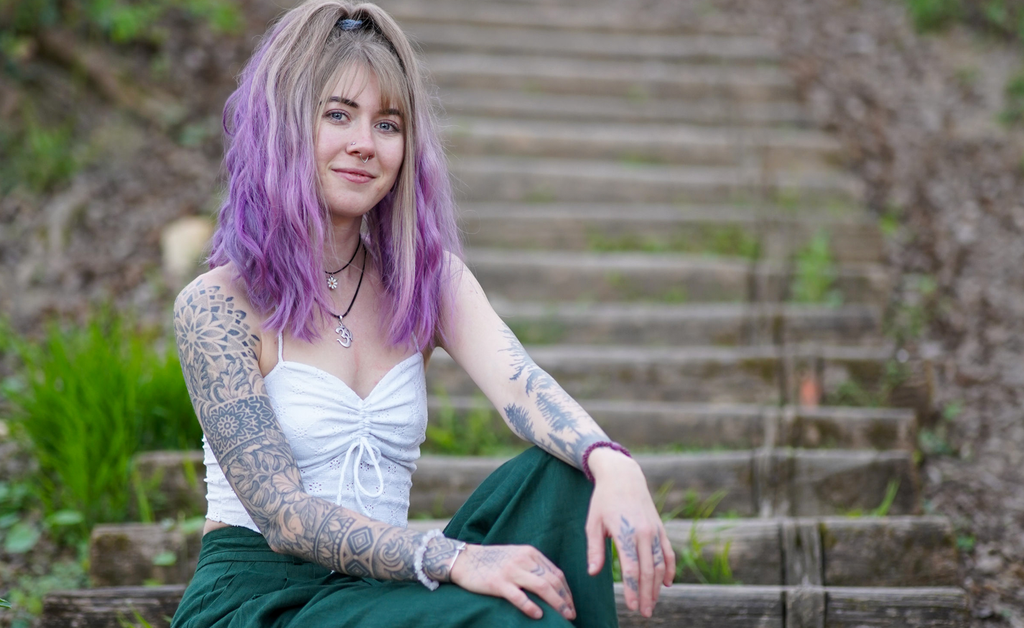
I’m originally from Wisconsin, and I left home at 19. Since then, I’ve lived in around 35 different cities and towns, from major cities to mountain homes and off-grid tropical communities. My background is in creative direction, branding, and digital design, which gave me the freedom to work remotely and explore different ways of living. Alongside that, I developed my work in breathwork, sound, somatic practices, and nervous system regulation.
Budapest became part of that journey, but it felt different. After years of moving, I found myself wanting to stay and build something here. Of all the places I’ve lived, Budapest is the first place where I’ve truly felt a sense of home. Building a business here is also a way of putting down roots. For a long time, I was discovering what different places could offer me. Now, I’m interested in what I can contribute to a place that has become home.
What inspired you to create Polarity, and why did you feel Budapest needed a dedicated private sauna and cold plunge studio?
Polarity brings together several things that have been part of my life for years: an interest in the body, nervous system practices, intentional design, biohacking, and creating experiences that help people connect with themselves.
Through my own experiences with breathwork, heat, cold, and recovery practices, I became interested in how changes in our physical state can influence how we feel and respond to life. I wanted to create a place where people could explore that in a way that feels approachable and personal.
When I looked for the kind of experience I wanted in Budapest, I kept finding different elements of it in different places. I wanted to bring a private Finnish sauna and a substantial cold plunge together in private suites, with a grounding environment and enough time to rest between rounds. Somewhere you could visit regularly, either alone or with someone close to you.
That became the starting point for Polarity. Budapest already has a strong connection to bathing and well-being, so it felt like a natural place to introduce another way of experiencing it.
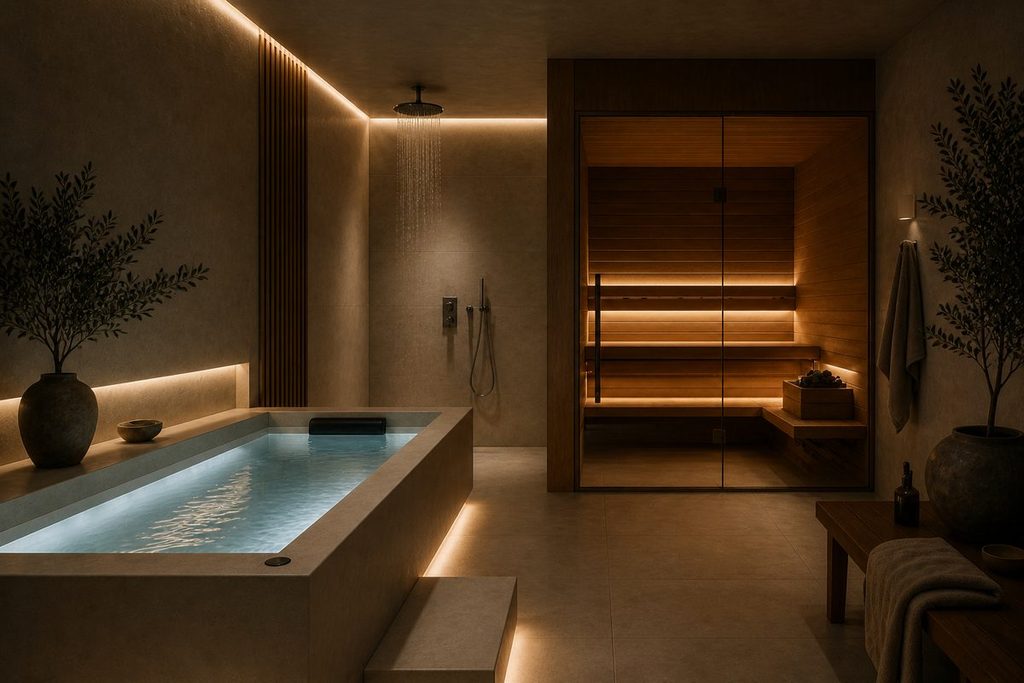
The design concept of Polarity
Where are you planning to locate Polarity in Budapest, and what made you choose that particular area?
I’m currently focusing my property search on Buda, particularly the lower-lying areas of Districts II and XII. The location hasn’t been finalized yet, as finding a space with the right infrastructure is a significant part of making this work. Both areas appeal to me because of their residential character, accessibility, and proximity to green spaces. I want Polarity to feel connected to people’s everyday lives—a place they can return to regularly.
The property also needs to accommodate the practical requirements of saunas, cold plunges, ventilation, and water systems. I’m looking carefully at those foundations, as well as the atmosphere and potential for future growth. A beautiful space matters, but it also has to function well.
Budapest has a world-famous thermal bath culture. How will Polarity differ from the traditional Budapest spa experience, and what new kind of wellness experience do you hope to introduce?
Budapest’s thermal baths are a huge part of what makes the city special. They offer history, architecture, and a shared bathing culture that would be impossible to recreate.
Polarity will offer something more private and structured. Each contrast therapy suite is planned to bring together a Finnish sauna, a cold plunge, and a vitamin C-filtered shower, with guidance on how to move through the experience at your own pace.
You could come alone or share a suite with a partner or friend. Having that space to yourself gives you more freedom to settle in, notice how you feel, and choose the level of challenge that suits you. I’d like to introduce contrast therapy as a practice people can incorporate into their daily lives. The attention given to preparation, transitions, and rest is just as important to me as the equipment itself.
You describe Polarity as a space for “nervous system regulation.” What does that mean in practice, and what can a guest expect during a typical session?
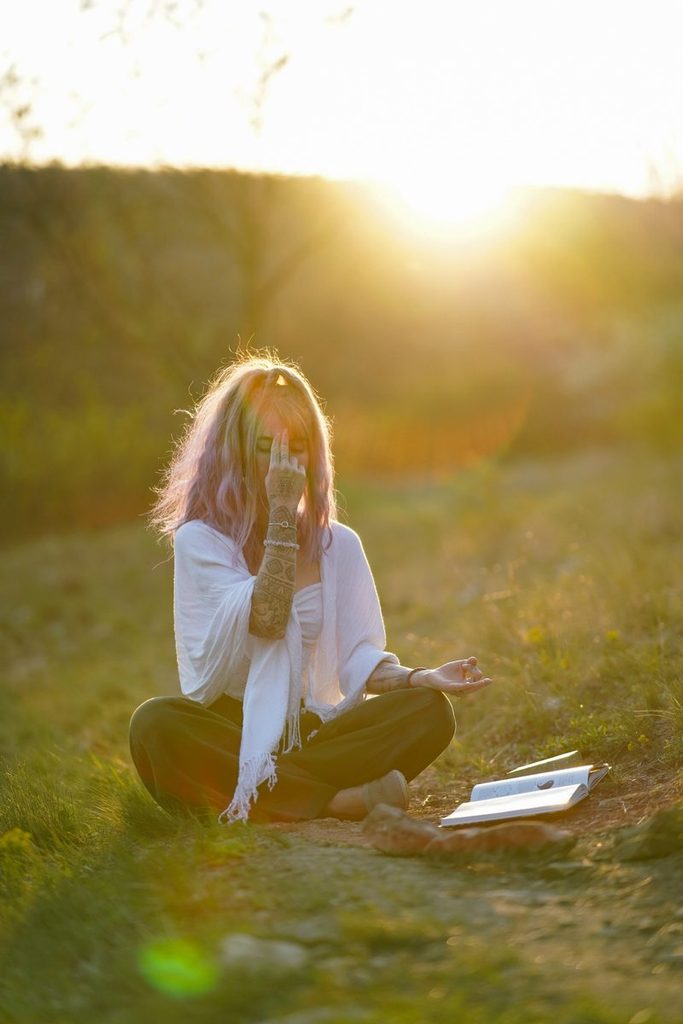
For me, nervous system regulation means developing greater awareness of your state and more flexibility in how you respond. We need energy and activation, but we also need the ability to settle and recover. Heat and cold create noticeable physical sensations. Within a carefully paced session, those sensations can become an opportunity to observe your breathing, tension, and automatic reactions, and to practise responding with greater intention.
The planned experience begins with an introduction and guidance tailored to the guest’s experience and comfort level. From there, a session would include time in the sauna, a gradual introduction to cold exposure, and rest between rounds. Gentle breathing guidance would help support the transitions, with time at the end to settle before leaving.
There’s no expectation to tolerate the coldest temperature or stay in the longest. Recognizing your limits and learning to work with them are part of the practice.
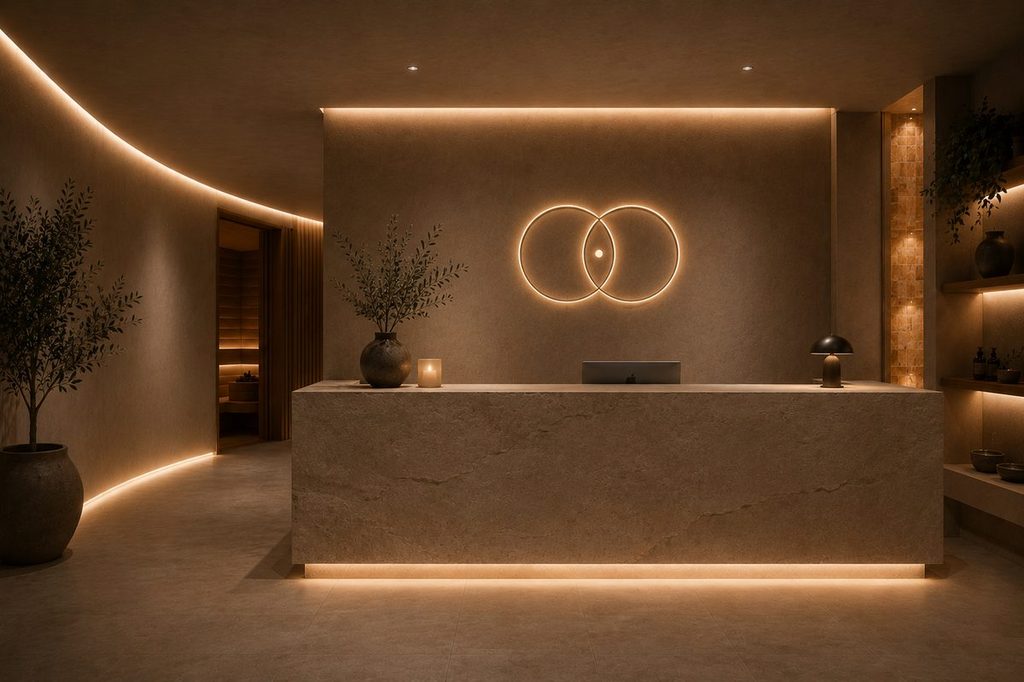
The design concept of Polarity
Privacy is central to the concept, alongside sauna, cold exposure, breathwork, lighting, sound, and carefully designed spaces. Who do you see as the ideal Polarity guest, and how did you approach creating an environment that feels restorative rather than overwhelming?
I’m thinking about people who carry a lot mentally or physically and want somewhere to reconnect with themselves. That might be an entrepreneur, a creative, someone recovering from training, or someone who simply feels stretched by everyday life. You wouldn’t need to identify as a biohacker or have any previous experience.
Privacy matters because people have different comfort levels with their bodies, unfamiliar practices, and shared wellness spaces. Having your own suite can reduce self-consciousness and distractions, making it easier to focus on your experience.
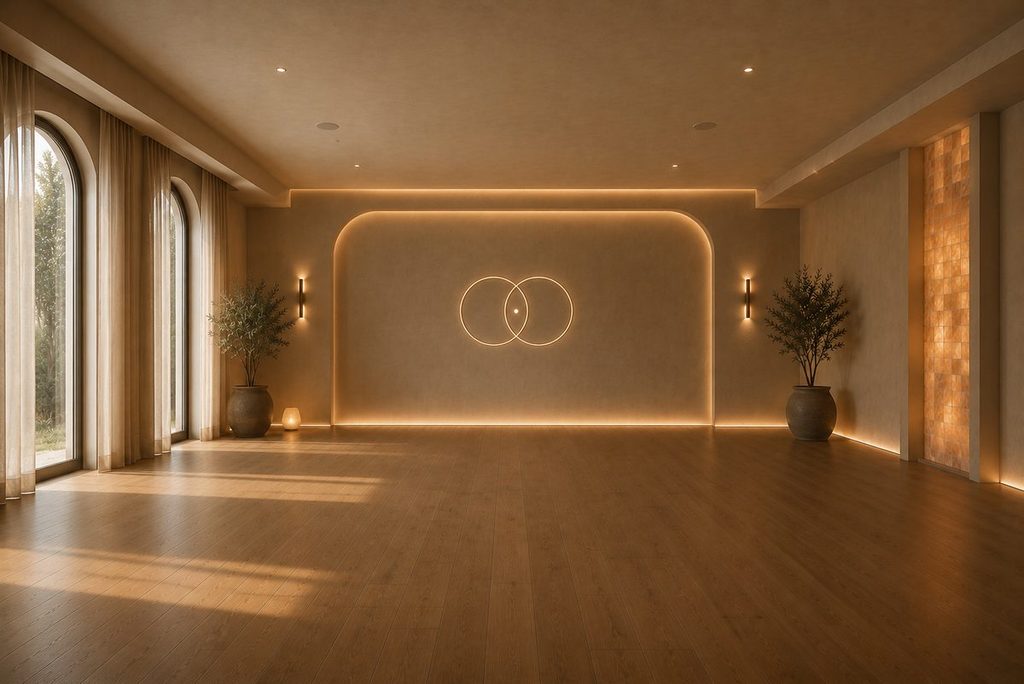
My creative background, along with my direct experience with nervous system regulation and natural materials, influences how I’m approaching the environment and the overall experience. Lighting, materials, acoustics, and the flow through a space all affect how it feels to be there. I want those elements to work together without constantly demanding your attention. The experience already involves strong sensations through heat and cold. The surroundings should provide a sense of stability, grounding, and peace.
The design concept of Polarity
You’re starting with a pilot location in Budapest, with ambitions to expand across Europe. What role do you hope Polarity will play in the local community, and what would you like people to feel or take away with them when they leave the studio?
The wider vision is to grow across Europe, but Budapest is where I want to build the foundations and learn from the people who actually use the space. I hope Polarity becomes a place people feel connected to, with opportunities over time for local practitioners, workshops, and shared experiences alongside the private sessions. Through my breathwork and sound events, I’ve seen how valuable it can be to have spaces where people can show up as they are and connect without so much social pressure.
When someone leaves, I’d love them to feel more present in their body and more aware of what they need. That could mean feeling rested, clearer, or simply proud of having tried something unfamiliar while respecting their limits.
What matters most to me is that something from the experience carries over into daily life. Maybe they notice when they’re holding their breath, recognize that they need a pause, or feel more capable of navigating an uncomfortable moment. Those small shifts are a big part of why I want to build this.
Comments are closed.