Author

nicola

Browsing

The Danube is the second largest river in the world, it doesn’t just pass through the city; it defines it. It acts as a massive, liquid mirror reflecting centuries of architectural genius, while physically separating the rolling hills of Buda from the flat, pulsing urban sprawl of Pest.But the Danube is far more than a scenic backdrop for a sunset cruise. It is a historic highway, a former militarized border, and the setting for some of the city’s most dramatic and heartbreaking moments. To truly understand Budapest, you have to understand its river and know exactly where to go to catch its most unforgettable views. A Brief History: From Roman Frontier to Golden Age Elegance The Danube (Duna in Hungarian) has been shaping the destiny of this region for thousands of years. Long before Budapest became a unified metropolis, the river served as the Limes; the fortified northern frontier of…
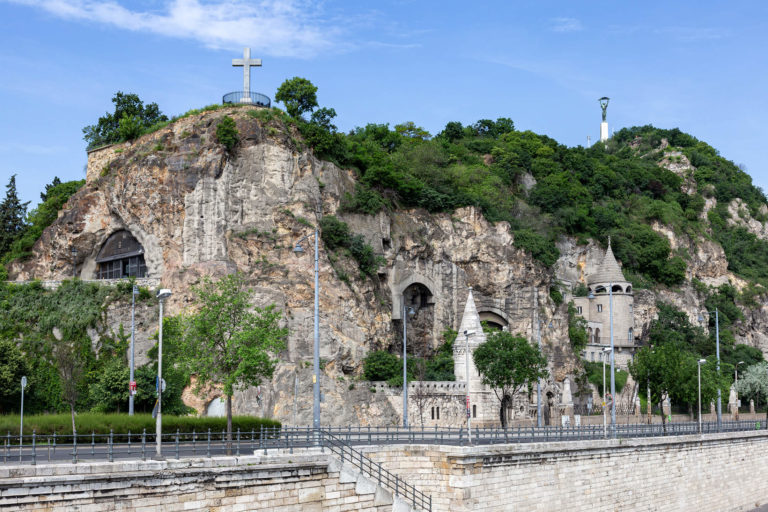
If you are standing on the Pest side of the city and look across the Danube River toward the rocky cliffs of Gellért Hill, there is a tiny detail that is incredibly easy to miss: a small stone portal carved directly into the mountainside, topped by a simple steel cross. From a distance, it looks like nothing more than a scenic lookout point. But if you cross the Liberty Bridge and step inside that cave mouth, you’ll find yourself in one of the most unique, spiritual, and historically dramatic spots in all of Budapest: The Cave Church (Sziklatemplom). The wild thing about this place is that you won’t find the usual polished marble pillars or soaring gothic arches here. The walls are made of raw, dark, unpolished mountain rock. But the real reason this place gives you goosebumps isn’t just the unique architecture—it’s the sheer survival story. This church didn’t…

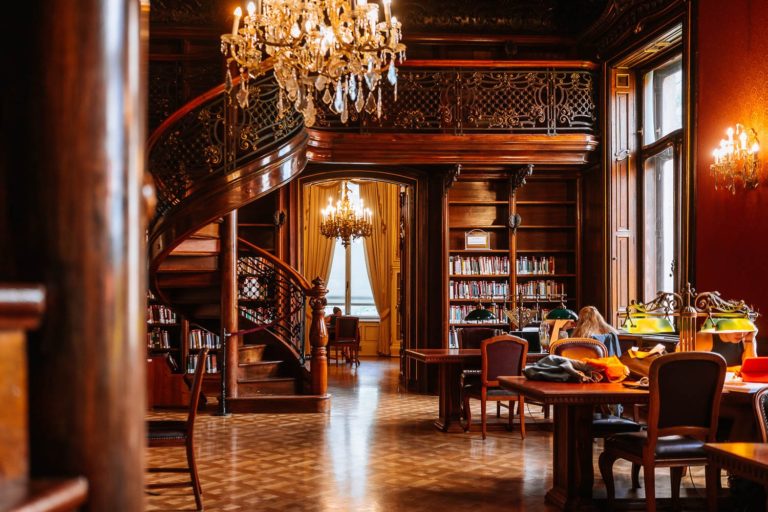
Picture yourself entering a generic-looking public library, passing through the turnstile after flashing your membership card, browsing some of the modern shelving units, and suddenly finding yourself inside an elaborate gold-painted, 19th-century neo-baroque palace by simply opening one of the many glass doors on the fourth floor. This scene does not belong to any fiction novel but is an everyday phenomenon at the Metropolitan Ervin Szabó Library (Fővárosi Szabó Ervin Könyvtár), which serves as the core of the library network in Budapest. Situated in the heart of the Palace District (Palotanegyed), this unique building represents one of the greatest mysteries of the city – the perfect combination of a university study room and an aristocratic mansion. 1. From Aristocratic Playground to Public Sanctuary In the middle of this exceptional collection is the **Wenckheim Palace**, an imposing neo-baroque mansion designed by the distinguished architect Arthur Meinig and constructed for Count Frigyes…

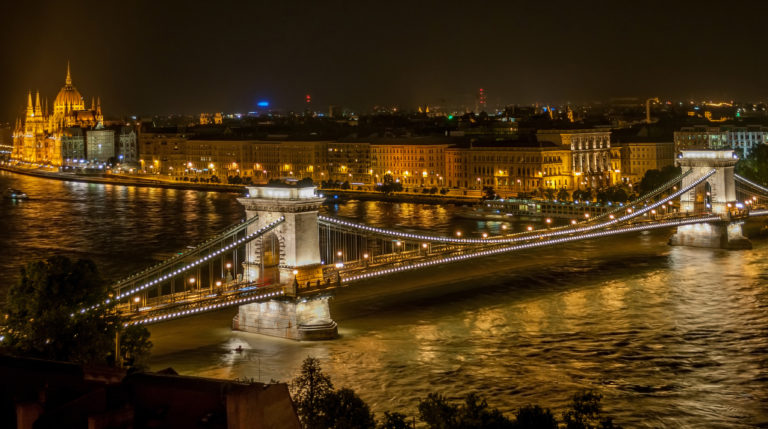
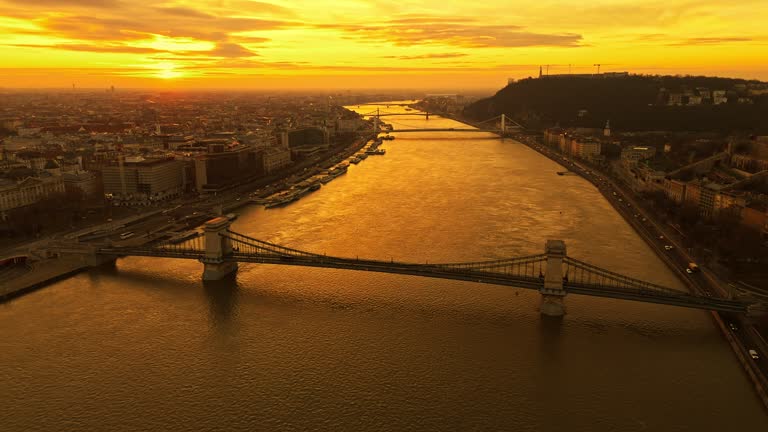
Walking along the Danube River, you can’t help but notice the most striking part of Budapest’s skyline: the Széchenyi Chain Bridge. With its amazing feat of engineering and two sturdy ends in Buda and Pest, it’s more than just a bridge—it represents Hungarian pride and unity. Now, underneath its fancy look and hefty chains is a popular tale locals adore. This story is about a nearly flawless design, a big embarrassment, and someone taking a tragic jump off the bridge into the icy water. People love sharing this intriguing mix of despair and mystery that sits alongside its glorious architecture. Why the Bridge Was Built The Chain Bridge’s size makes sense once you know about Buda and Pest before its construction. From 1849 on, these two cities were connected by the new bridge. Before that, during summertime, folks could use a floatable bridge to get across the Danube. Yet in…

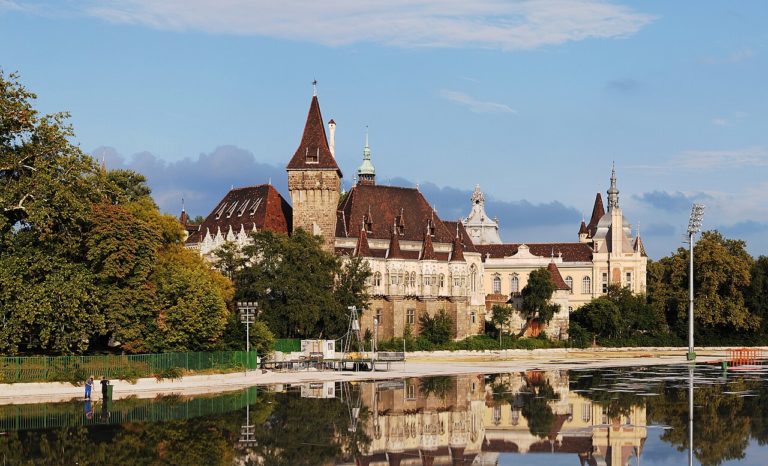
When walking through Budapest’s City Park (Városliget), just a stone’s throw from the grand monuments of Heroes’ Square, you suddenly stumble upon a sweeping architectural wonderland rising from the water. With its mix of sharp gothic spires, heavy Romanesque arches, and elegant pastel walls, the complex looks like a historic royal citadel that has guarded the city for centuries. This spectacular site is Vajdahunyad Castle (Vajdahunyad vára), a place where multiple eras of European history collide in a single courtyard. But the true story behind this fairytale fortress is one of the most bizarre, fascinating, and beloved pieces of urban lore in Central Europe. It is a massive monument that was never meant to last, built by an architect who essentially created a giant piece of historical copy-pasting. The 1000-Year Celebration: A Castle Made of Cardboard The story begins in 1896, a monumental year for Hungary. The country was celebrating…

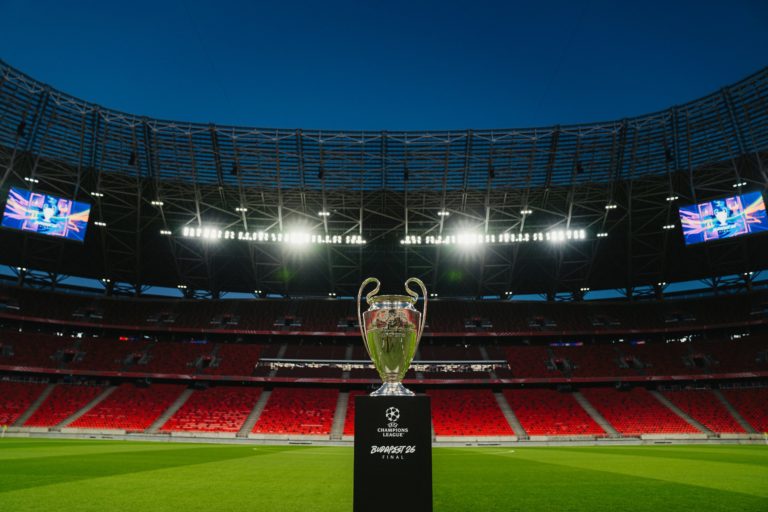
When such a great city as Budapest got intertwined with the greatest football championship on the European continent, the whole city experienced radical changes. Instead of being a place where a simple ninety-minute football match was played in the stadium, the whole urban landscape had been changed into a space saturated with the love of the game. In small provincial cities, one only plays the game at local pubs and small stadiums, but when it comes to Budapest and the Champions League, then football becomes dominant not only in the stadiums, but also on squares, streets, and even on Danube islands. Budapest is full of fans of the Champions League from all over the world, who are absolutely crazy about their favorite sport and who make each corner of Budapest vibrant thanks to their energy and enthusiasm. All this happened because of the exceptional infrastructure connecting football lovers from all…

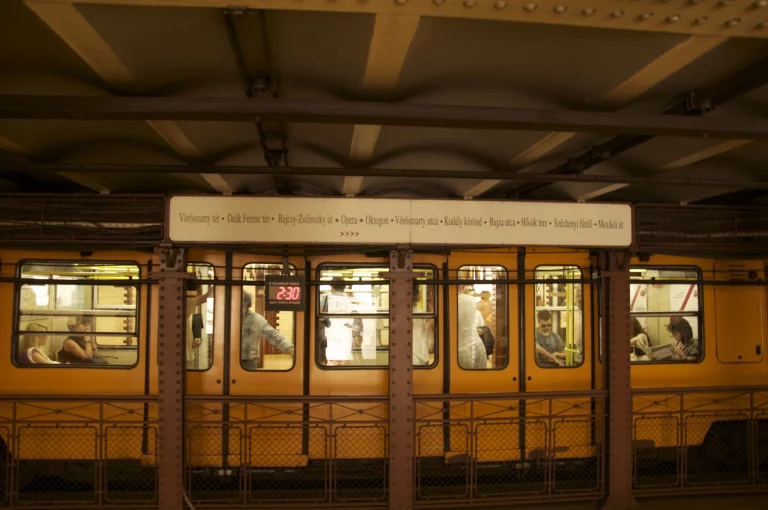
When you move from a tight-knit Italian town like Jesi to a sweeping European capital like Budapest, the shift in lifestyle hits you fast. But it’s not just the language or the architecture that changes your daily routine—it’s how you move. In Jesi, the private car is the most used way of transport; without a steering wheel, you are practically stranded. In Budapest, however, owning a car is almost an inconvenience. Here, the city doesn’t belong to the automobile, but to an interconnected web of punctual trams and buses that seamlessly tie the metropolis together. The Scale of Infrastructure: Why Size Dictates the Strategy The root of this massive divergence in transportation habits comes down to the sheer geographic and demographic scale of each location.Jesi is a compact historical town in Italy’s Marche region, that has roughly 40,000 inhabitants. Because the distance from the medieval historic centre to the newer…