
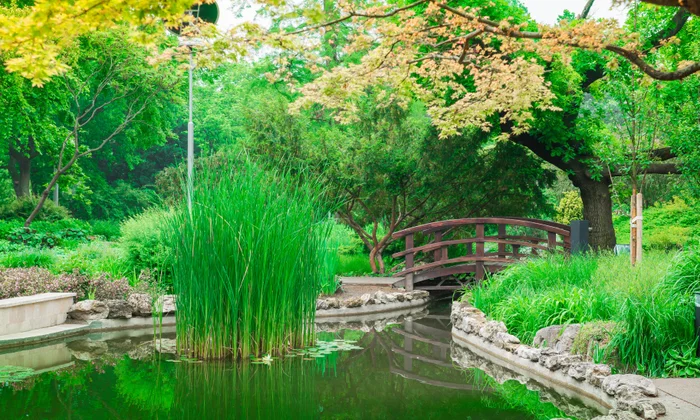
When you feel the need to find some inner peace amid the bustling streets of Budapest, but at the same time do not want to leave the urban environment, then one secluded place is sure to give you just what you are looking for. This quiet spot located in the northern part of the Margaret Island is called the Japanese Garden, which, in its native language, means Japánkert. This is more than just an area with Asian flora; this is an artistically crafted living masterpiece that can be traced back to the end of the 19th century.
The Vision of a Master Gardener
The garden was founded in 1882, and its creation was inspired by the vision of György Magyar, who was at that time the main gardener at the royal estates located on the island. In the last decades of the nineteenth century, there occurred the craze for all things Japanese in Europe, known as Japonism. Magyar was eager to recreate the unique beauty of Japan on the banks of the Danube but did not wish to imitate anything directly, he preferred to combine his own ideas with the unique spirit of his homeland.
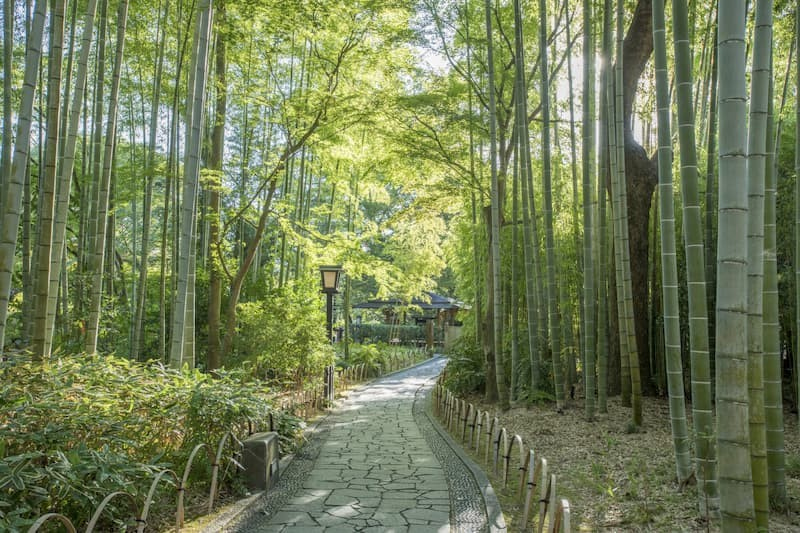
For this purpose, he created an intricate network of narrow paths and bridges made of wood, and ponds. As far as vegetation is concerned, Magyar used various types of Asian plants, such as miniature maples, ginkgo biloba, and bamboo groves, but also combined them with native species.
The Thermal Water and the Sitting Girl
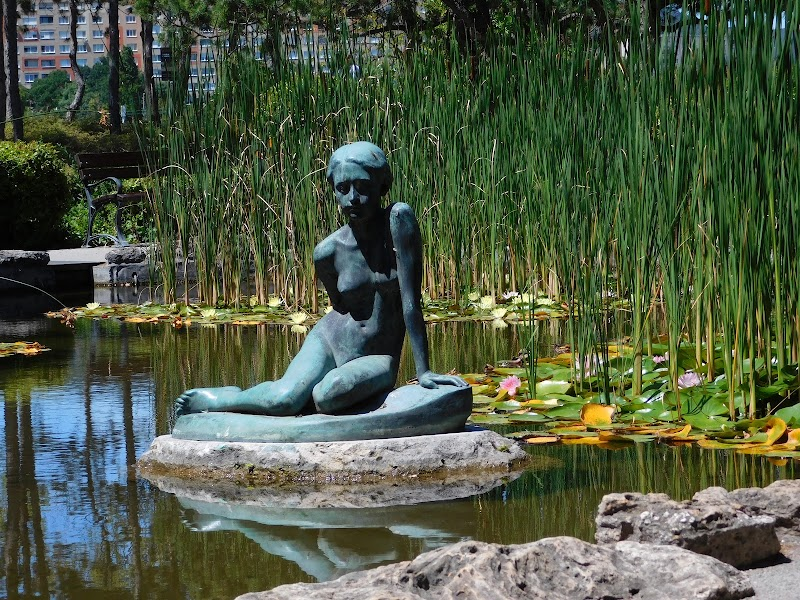
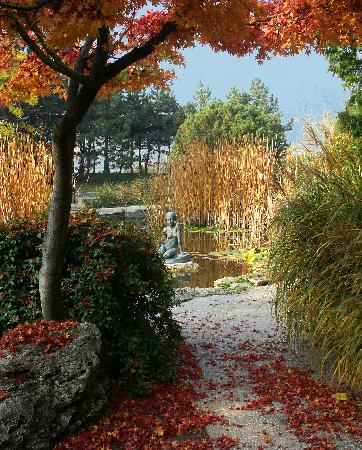
One of the things that make this Japanese Garden so special is the geological advantage it has. This is because Margaret Island stands right above Budapest’s world-famous thermal springs. In effect, the ponds in the Japanese Garden are supplied with naturally heated, mineral-filled thermal water, whose warm flow helps keep the pond temperature constant, regardless of the season, and allows for the flourishing of exotic water lilies and beautiful koi fish in environments where they would not normally survive. Right in the middle of the central pond there is one of the favorite sights in the garden, namely, a statue entitled the “Sitting Girl”, made by sculptor Imre Csikász in 1954. The statue is that of a pensive young girl admiring herself in the water, symbolizing the very essence of what Japanese gardens stand for.
War, Ruin, and Rebirth
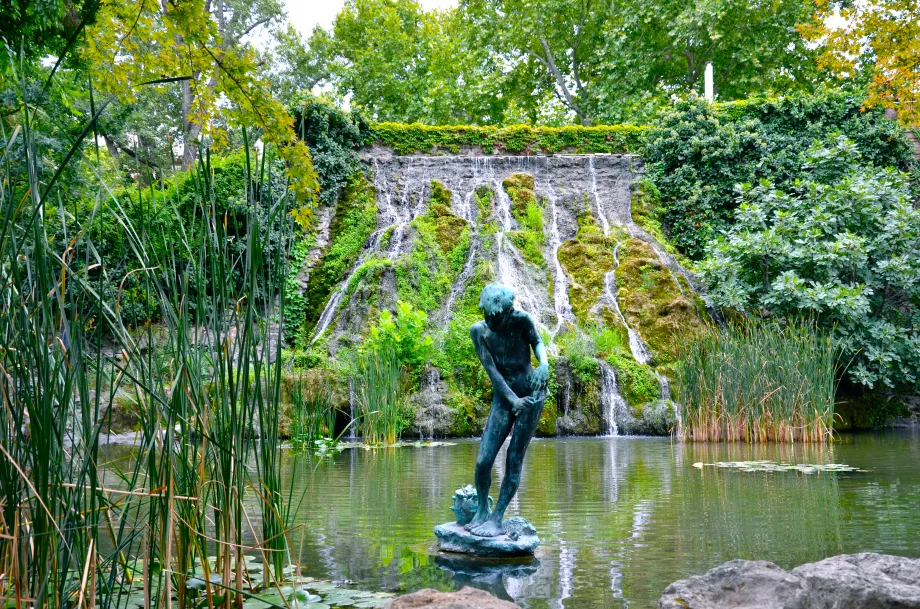
Similar to the adjacent skating rink as well as the entire Margaret Island, the Japanese Garden had experienced almost complete ruin by the time of the end of the second world war. The island turned into a battlefield, while the garden was abandoned and left to ruin. Its ponds were filled with trash, rare plants were ruined, wooden bridges burnt to ashes, and it took several decades for the area to start recovering from the damage caused by the war. The real restoration of the Japanese Garden came only several decades later and involved an extensive reconstruction process that led to the recreation of an authentic garden. Landscape architecture specialists made sure to follow the rules of Japanese gardening when recreating this place. They cleared thermal channels, created a completely new wooden zigzag bridge, believed to be a protection against demons in accordance with Japanese myths, and created a magnificent waterfall that provided the sound of running water.
The Zen in the Leaves of Autumn
Although the garden is beautiful during springtime due to the cherry blossom flowers, the best time that the visitor can truly feel the atmosphere is during the autumn season. The colors of the Japanese dwarf maple leaves turn into brilliant red, while green color of moss covers the stones and the water in the ponds is very still.
To fully appreciate the garden, a visitor must go there early in the morning when no other visitors have appeared on the island. Take a long stroll along the stone paved pathways and stand still on the wooden bridge admiring the koi fish swimming underneath the lily pads, sitting on the wooden chairs near the waterfalls. It is such a peaceful place that reminds the visitor that there is always peace in the busy European city center.
Comments are closed.