Category

Tips & Tricks

Category

Budapest is a great city if you want to discover Hungarian food without sitting in a restaurant for hours. Some of the most typical dishes can be eaten directly from a small stand, a market or a simple counter. They are usually filling, easy to eat and a good way to try the local cuisine while exploring the city. From lángos to Hungarian sausages and kürtőskalács, these are some places worth trying. Lángos – the Hungarian street food you have to try Probably the most famous Hungarian street food is lángos. It is a round piece of fried dough, crispy outside but soft inside. The classic version is covered with garlic, sour cream and grated cheese. One of the easiest places to try it is Retro Lángos Budapest. It has become one of the best-known lángos places in the city and offers both traditional and more unusual versions. A simple…

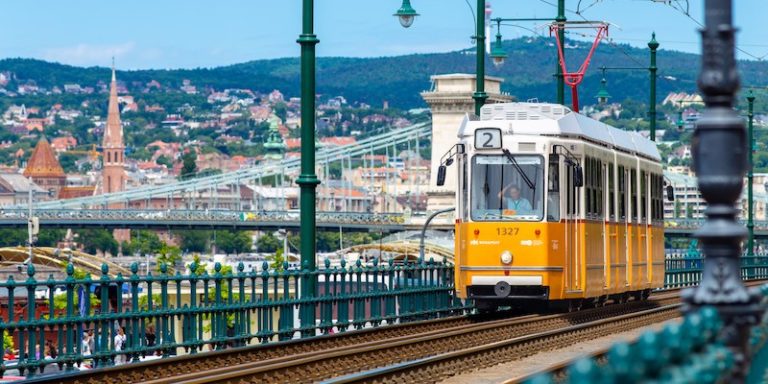
When you stay in Budapest for more than just a few days, public transport quickly becomes part of your everyday life. Metro, trams, buses and trolleybuses are everywhere, and after a short time you stop thinking too much about how to reach a place: you simply open BudapestGO, choose the route and go. For someone staying in the city for one month, like us, one of the best things is the monthly Budapest Pass. It costs 8,950 HUF, which today is around €25, and allows unlimited travel for one month on almost all public transport inside Budapest. And considering how much we use it every day, it is probably one of the best-value things we bought during our stay. One pass, almost the whole city The interesting thing about Budapest is that public transport is not based only on the metro. There are four metro lines, M1, M2, M3 and…

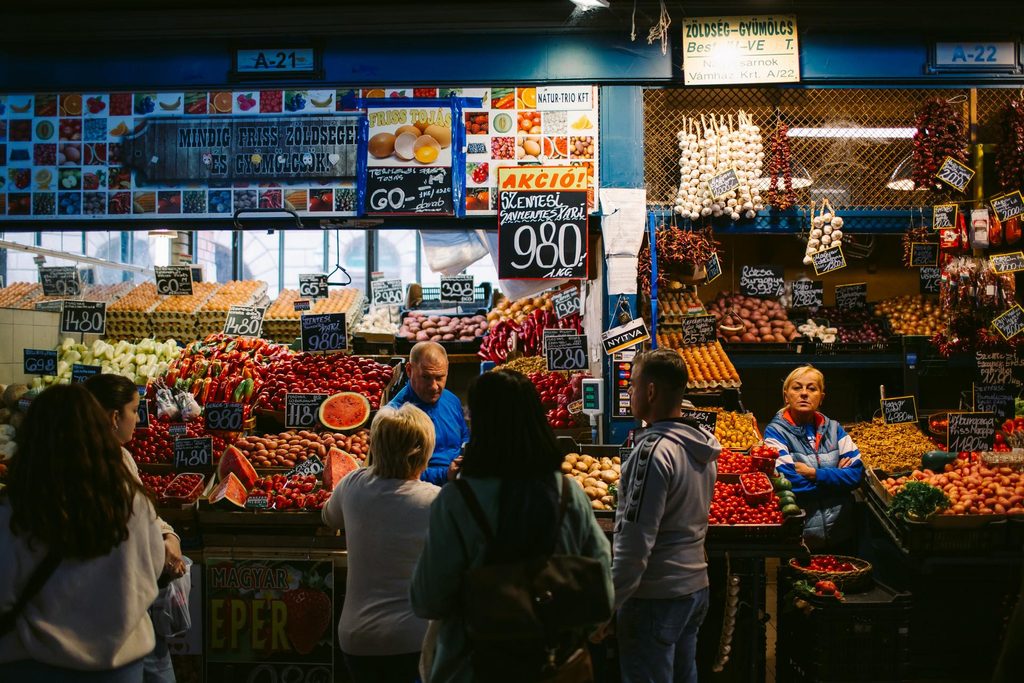
Budapest is not as cheap as it used to be, but if you know where to shop, it is still possible to live here without spending too much. For tourists or students staying for more than a few days, buying some food at the supermarket can make a big difference. Where to do your grocery shopping The cheapest and easiest options are usually Lidl, Aldi and Penny. They have good prices for basic food, fruit, vegetables, meat and ready-to-eat products. Spar is also very common, especially in the city centre, but prices can be a little higher. Some typical supermarket prices are around 400 HUF (€1.10) for one litre of milk, 570 HUF (€1.55) for bread, 1,250 HUF (€3.40) for 12 eggs, 700 HUF (€1.90) per kg for bananas and around 2,200 HUF (€6) per kg for chicken breast. For a simple breakfast, lunch and dinner bought mainly at the…

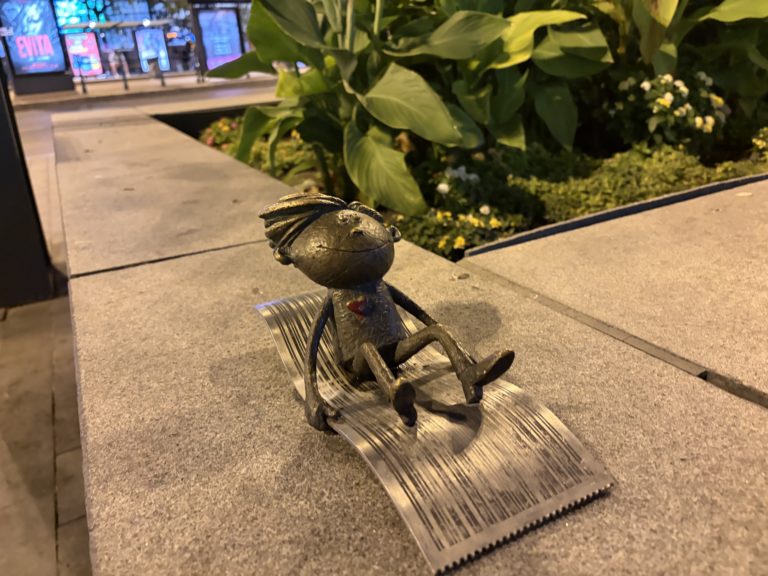
During my Erasmus in Budapest, I started discovering that the city has much more than the famous Parliament, Buda Castle and Chain Bridge. While walking around the city, I noticed some very small statues hidden in unexpected places. These are the mini statues of Budapest, many of them created by the artist Mihály Kolodko. They can be found on bridges, walls, railings and near the streets, and some of them are so small that you can easily walk past without noticing them. For me, finding them became a little game. Every time I walked around a different part of Budapest, I started looking down and checking the corners of the streets to see if I could find another one. What are these mini statues? The statues are small bronze sculptures, usually only a few centimetres high. Many of them were created by Mihály Kolodko, a Ukrainian-born artist who lives and…

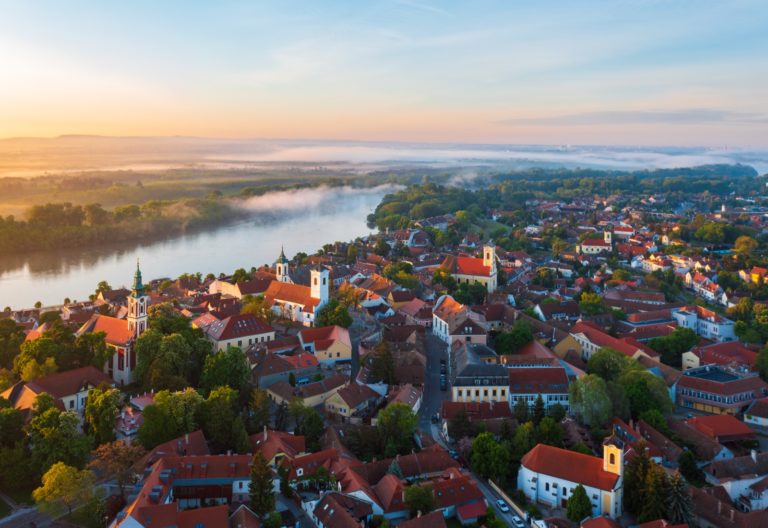
Not far from Budapest, Szentendre is a perfect place to spend a slower and more relaxing day. After the traffic, trams and busy streets of the capital, arriving here feels completely different. The town is smaller, quieter and full of colours, little streets and places where you can simply walk without having a real plan. Getting there from Budapest is also quite easy: the H5 suburban railway connects Batthyány tér with Szentendre, so it works very well as a day trip from the city. Walking through the colourful streets The first thing we noticed was the atmosphere of the centre. The streets are narrow, the houses have different colours and almost every corner looks a little different from the previous one. It is one of those places where walking around is probably the best thing to do. There is no need to rush from one attraction to another. Small squares,…

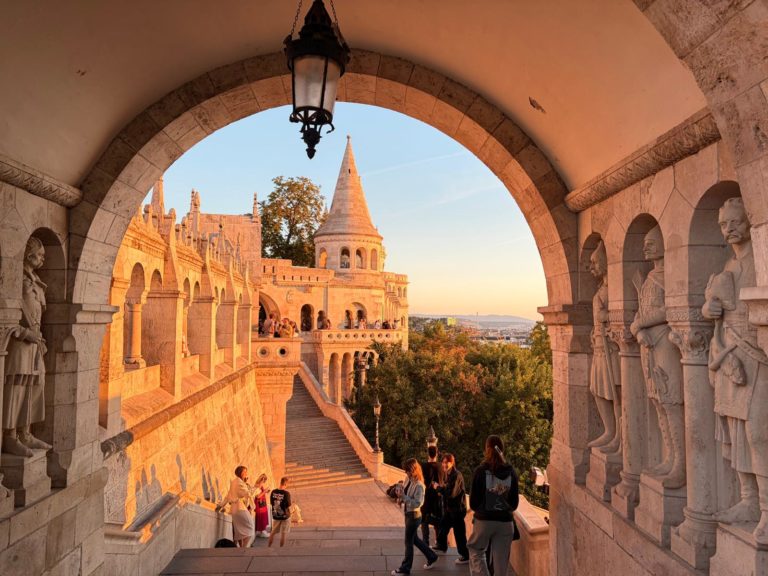
The Fisherman’s Bastion is one of the most famous places in Budapest. It is on the Buda side of the city, next to Matthias Church, and from its terraces you can see the Danube, the Parliament and a large part of Pest. It is especially popular because of the view, but the atmosphere can be completely different depending on the time you visit it. We decided to see it in two different moments: at sunrise and just after sunset. It almost felt like visiting two different places. Sunrise: quiet Budapest Visiting the Bastion early in the morning means waking up very early, but it is worth it. At sunrise, the first thing we noticed was the silence. There were only a few people around and we could walk through the arches and terraces without the big crowds that normally visit the area during the day. The light also changes everything.…

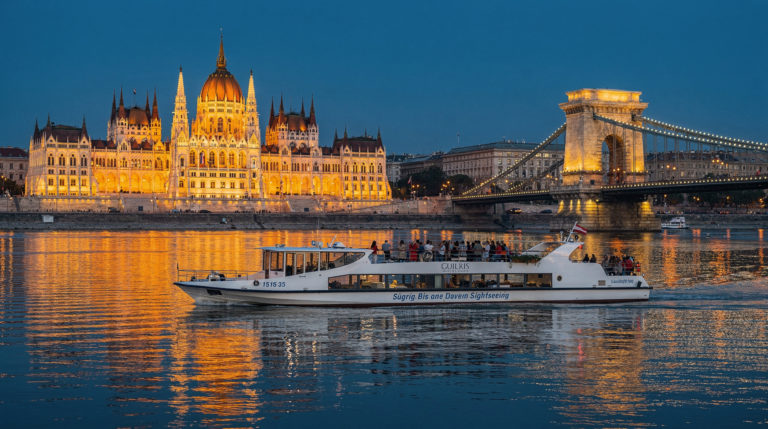
This is one of the reasons Budapest is called “The Pearl of the Danube.” Although wandering through the winding cobblestone streets of the castle area or sitting in a ruin pub enjoying some drinks might be wonderful, there is nothing like the view of Budapest from the heart of the river, particularly at night, where the whole capital turns into a masterpiece of gold lights. However, one does not have to pay lots of money for an expensive private cruise in order to see this spectacle. The river boat line of the local transport operator BKV allows tourists to enjoy the sight of the most magnificent parliament of the world. Why the Local Riverboat is Budapest’s Best Kept Secret The majority of tourists immediately visit the tourist piers at Vigadó tér where the premium price is paid for the usual commercial cruises. But while the tours are excellent, there is…

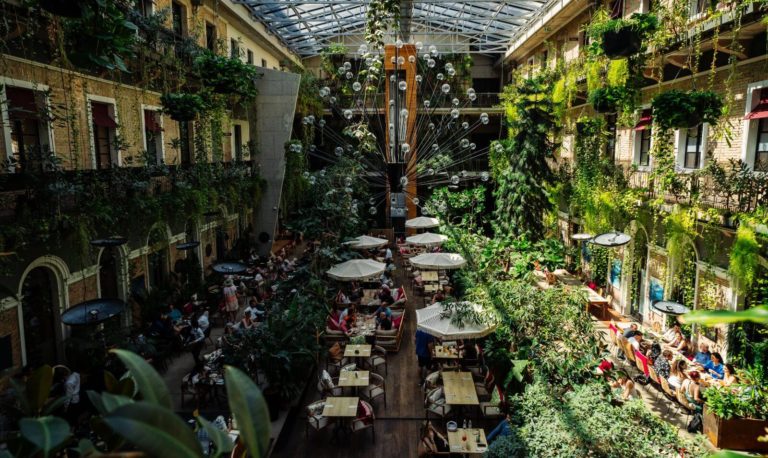
Amidst the hustle and bustle of the VII District of Budapest, lies the hidden oasis of Twentysix, which offers the sensation of being thousands of miles away from the harsh winds of Europe. All one needs to do is enter the inconspicuous door on Király Street and suddenly find themselves transported to Twentysix, an exquisite indoor jungle that redefines the meaning of interior dining and hanging out altogether. This is not only a restaurant, but an entire living ecosystem that combines ultramodern architecture and nature. With a constant climate of 26°C (79°F)—which is suitable both for the exotic flora and people—the gorgeous courtyard under the glass roof has soon turned into the most desirable retreat spot for the local citizens and tourists. The Architectural Structure of the Botanical Courtyard There is something about Twentysix which makes it a true architectural wonder – it is the perfect example of blending nature…

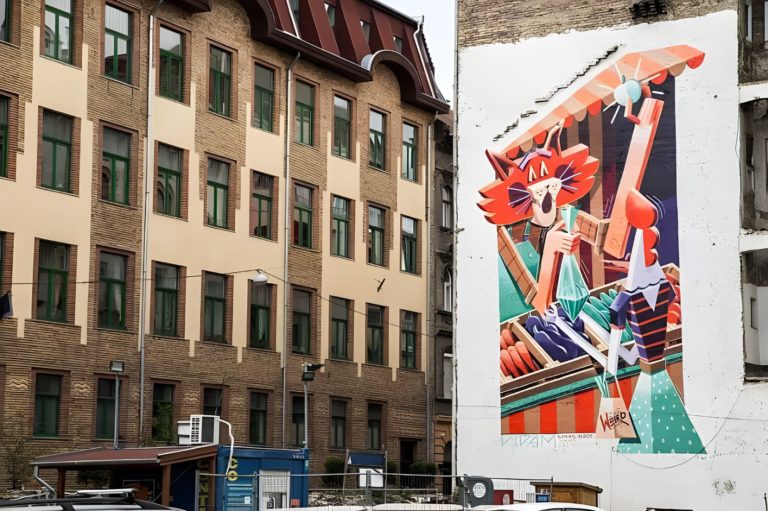
Whenever someone mentions Budapest, the first thing that pops up in their mind is the majestic neo-Gothic Parliament building, the panoramic views from Fisherman’s Bastion, or perhaps the soothing experience at the thermal baths. However, if you look closely, especially at the gigantic, stark brick walls known as tűzfalak in District VII, you will see a totally new and very colorful world. Budapest has become one of the most intriguing capital cities in Europe in terms of urban art. This is not some form of nightly graffiti; it is a large-scale process that combines rich Hungarian tradition and culture with top-notch contemporary art. From Graffiti to Grand Firewalls Just a few decades back, District VII was marked by its atmospheric, but highly neglected and bullet-ridden buildings that remained after the dark times of the 20th century. While the legendary Ruin Bars started decorating these neglected premises with vibrant nightlife, an…

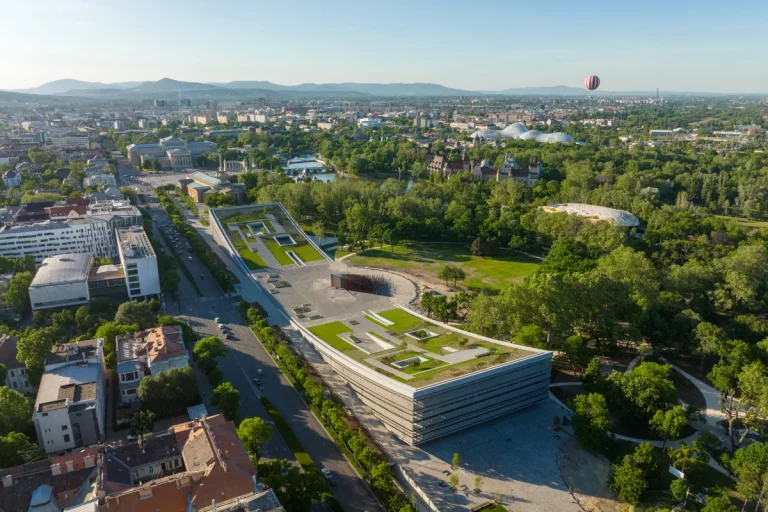
If you head into the green heart of Budapest’s City Park (Városliget), you will stumble upon an architectural marvel that looks like a giant, futuristic skateboard ramp covered in lush meadows. This is the new Museum of Ethnography (Néprajzi Múzeum). Instead of building a traditional, imposing monument that blocks the landscape, the architects did something revolutionary by designing a structure that curves gracefully into the earth, turning its entire, massive roof into a public, walkable hanging garden. This elevated urban park has quickly become a favorite sanctuary where city dwellers and travelers come to relax, walk, and experience the city from a completely fresh vantage point. A Bridge Between Nature and Culture Completed as part of the ambitious Liget Budapest Project, this award-winning building was designed by the Hungarian studio NAPUR Architect. The concept is beautifully poetic: the building is designed as two sweeping hills that meet in the center,…