
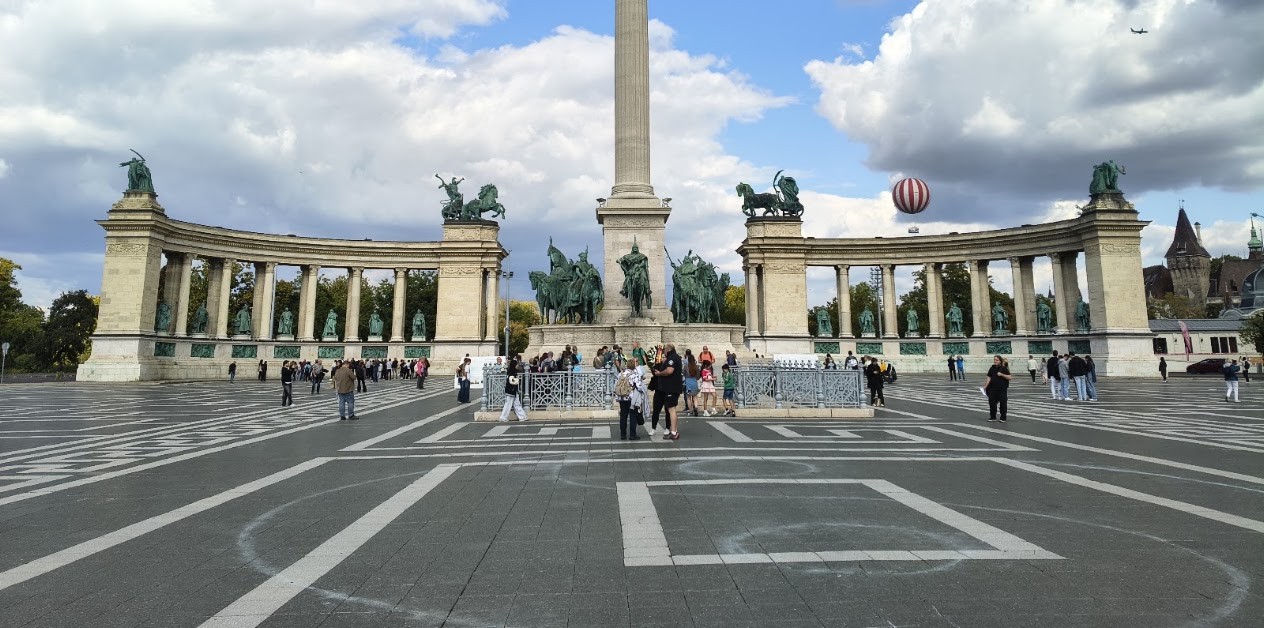
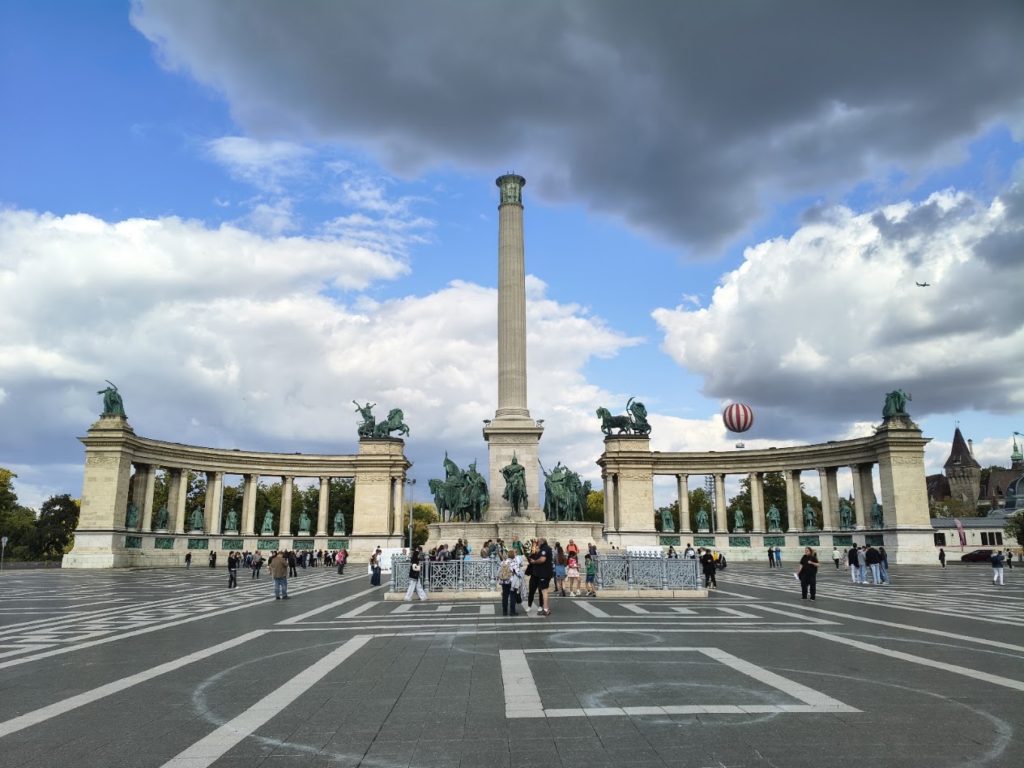
At the end of the elegant Andrássy Avenue, just before entering City Park, there is one of the most impressive and symbolic places in Budapest: Heroes’ Square, or Hősök tere.
The square is huge, open and monumental, and at first sight it can seem like just another beautiful place for taking photos. But almost every statue here tells a part of Hungarian history, from the arrival of the Magyar tribes to some of the most important kings and national leaders.
Heroes’ Square is also part of the UNESCO World Heritage area connected to Andrássy Avenue and its surroundings. UNESCO World Heritage Centre
Why is Heroes’ Square so important?
The square was created as part of the celebrations for the 1,000th anniversary of the Hungarian conquest of the Carpathian Basin, traditionally dated to 896. Construction of the Millennium Monument began around the celebrations of 1896 and the entire monumental complex was completed only several decades later.
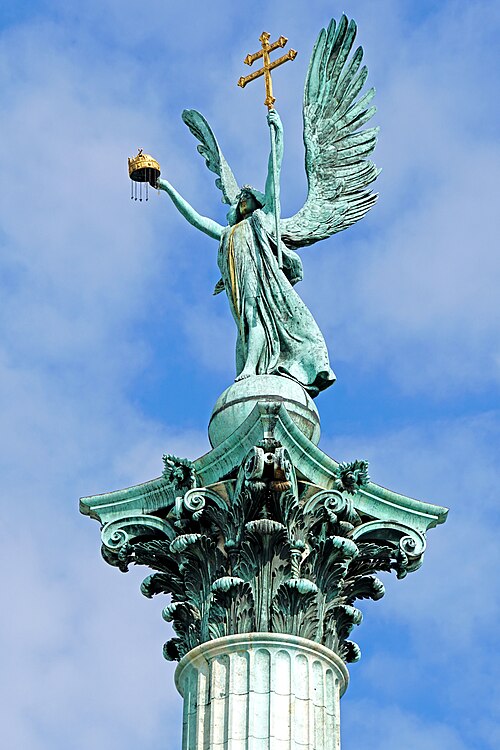
At the centre is a huge Corinthian column, about 36 metres high. Normally, on its top stands the bronze statue of Archangel Gabriel, holding the Hungarian Holy Crown and the double cross, two important symbols connected with the foundation and Christianisation of the Hungarian state.
The Seven Chieftains
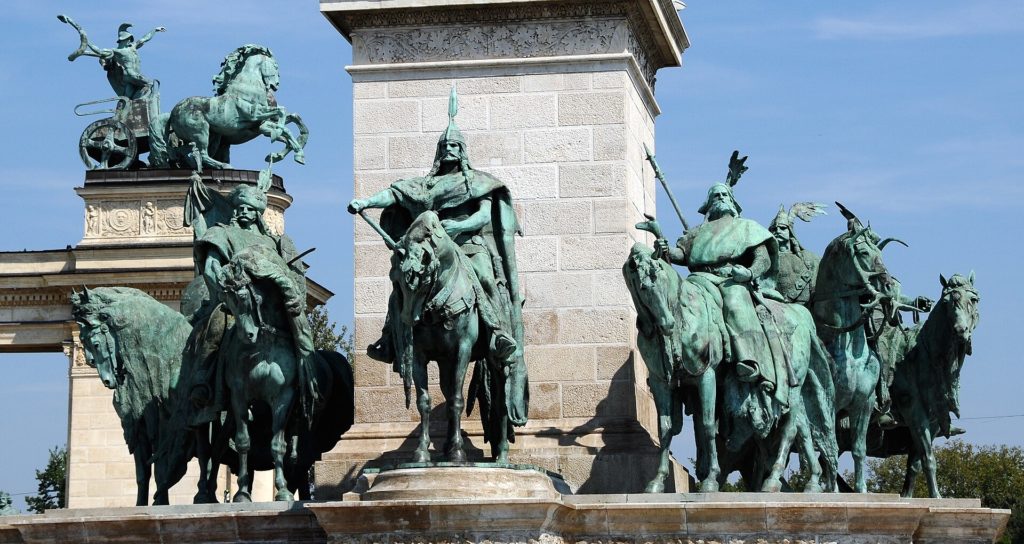
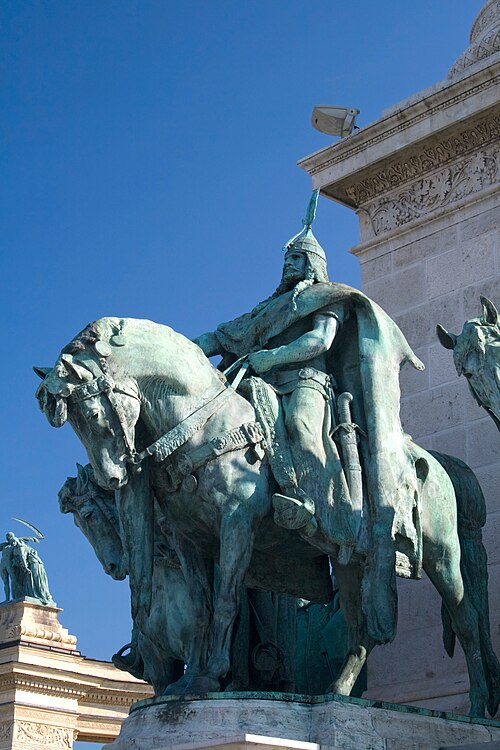
At the base of the central column you can see seven impressive horsemen. They represent the Seven Chieftains of the Magyar tribes, who are traditionally associated with the Hungarian conquest of the Carpathian Basin.
The central figure is Árpád, considered one of the founders of the Hungarian nation and the ancestor of the Árpád dynasty, which ruled Hungary for centuries.
If you get closer, the statues are much more interesting than they look from a distance. The horses, weapons and clothing give the group a very dramatic appearance, although some details are artistic interpretations rather than perfectly accurate historical reconstructions.
The kings and national heroes
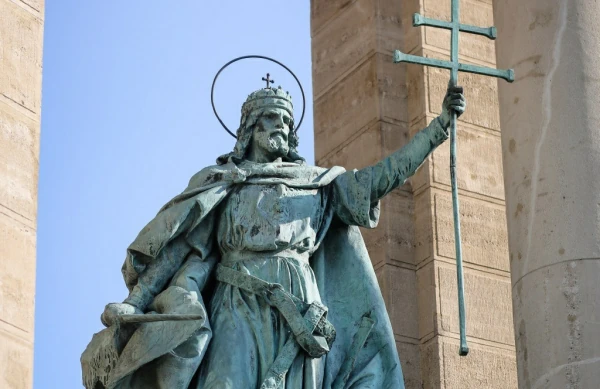
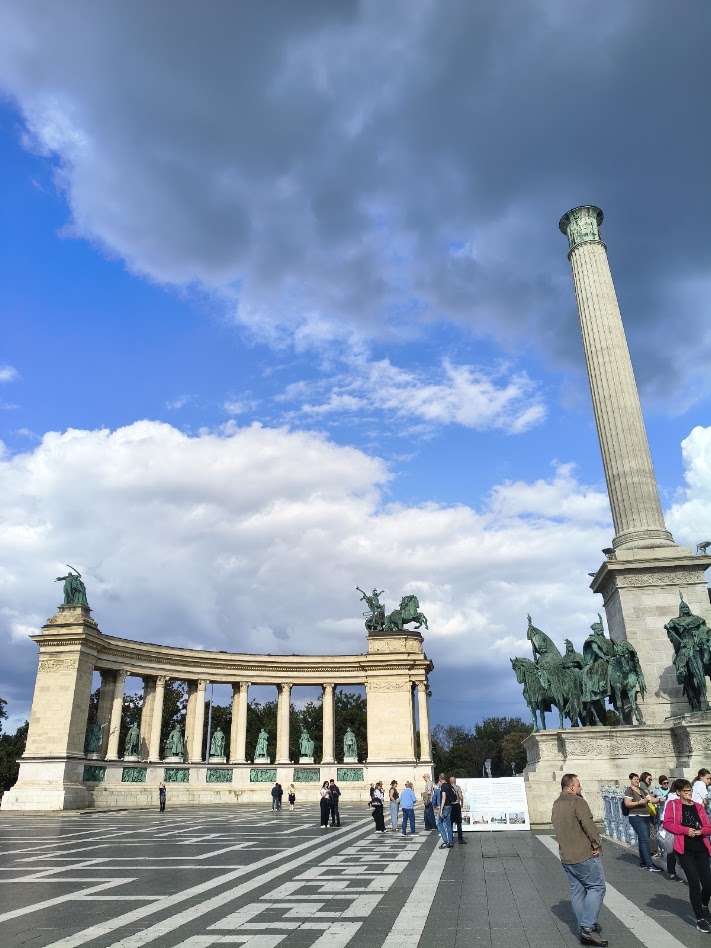
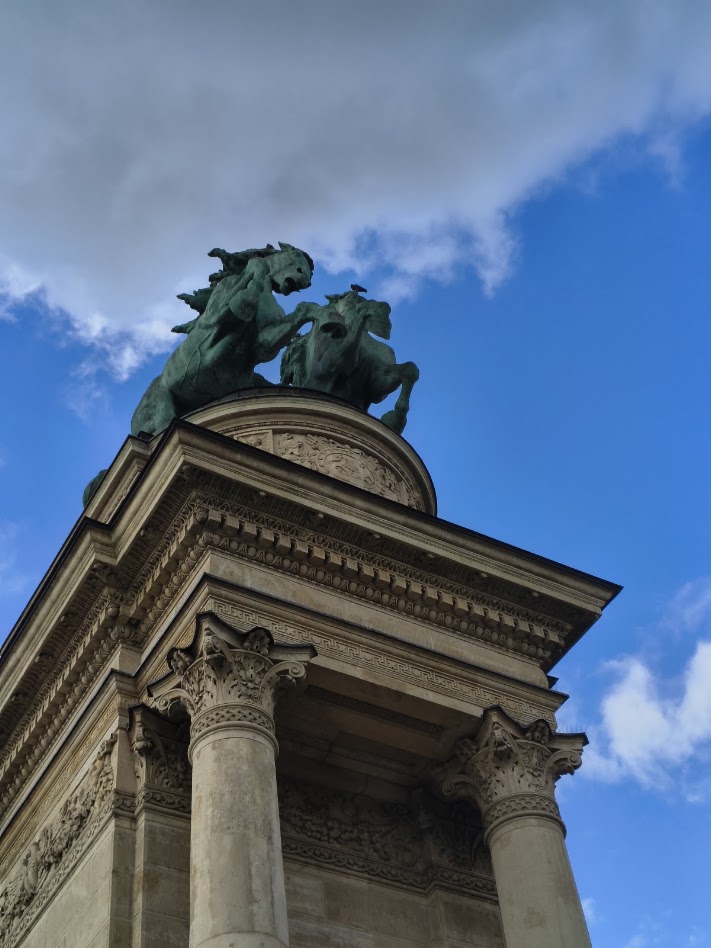
Behind the central monument are two large semicircular colonnades containing 14 statues of important figures from Hungarian history.
Among them are kings such as Saint Stephen I, Hungary’s first king, as well as other rulers and political or military leaders including Matthias Corvinus and Lajos Kossuth.
Below many of the statues there are small reliefs showing important episodes from their lives. These details are easy to miss if you simply cross the square quickly, so it is worth walking along the entire colonnade and looking at them more carefully.
The stone in front of the monument
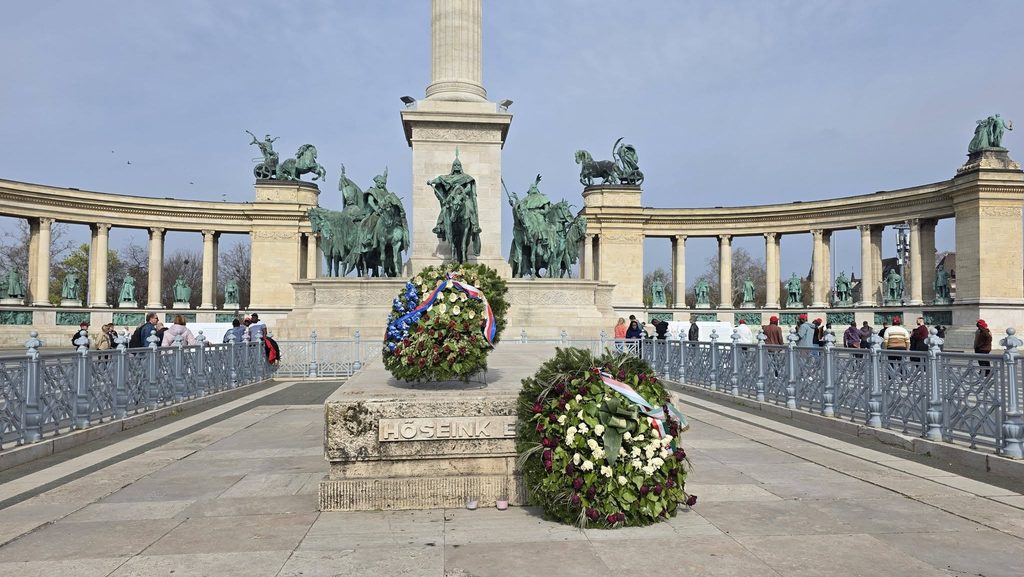
In front of the central column there is a large stone memorial dedicated to Hungarian heroes.
A small curiosity: it is sometimes described as the Tomb of the Unknown Soldier, but this is not completely correct. It is a symbolic memorial and does not contain the remains of an unknown soldier. Nekb
More than just a monument
Heroes’ Square has also been the setting for important moments in modern Hungarian history.
One of the most famous took place in 1989, when a huge crowd gathered here for the ceremonial reburial of Imre Nagy, the Hungarian prime minister associated with the 1956 revolution and later executed by the communist government.
This makes the square not only a monument to distant history, but also a place connected with more recent political and social changes in Hungary.
A curiosity if you visit it now
If you visit Heroes’ Square in 2026, you may immediately notice something strange: Archangel Gabriel is missing from the top of the column.
The nearly five-metre-high bronze statue was removed in late 2024 for a major restoration after experts discovered serious structural deterioration. The restoration is still underway, and the current plan is for the statue to return to the square by the end of 2026, depending also on restoration work on the column itself.
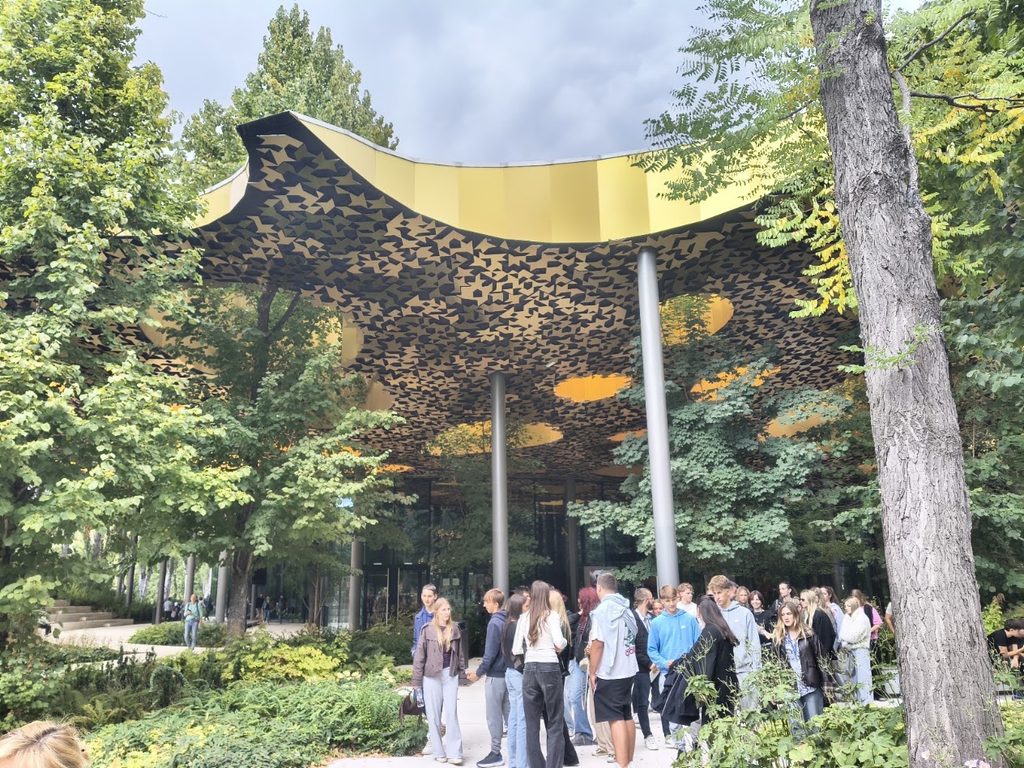
There is, however, a nice alternative: a life-size replica of Gabriel can currently be seen for free at the City Park Visitor Center, inside the Museum of Ethnography area.
This could actually be an interesting detail to include in your article because it explains why current photos of the square look different from older ones.
What is around Heroes’ Square?
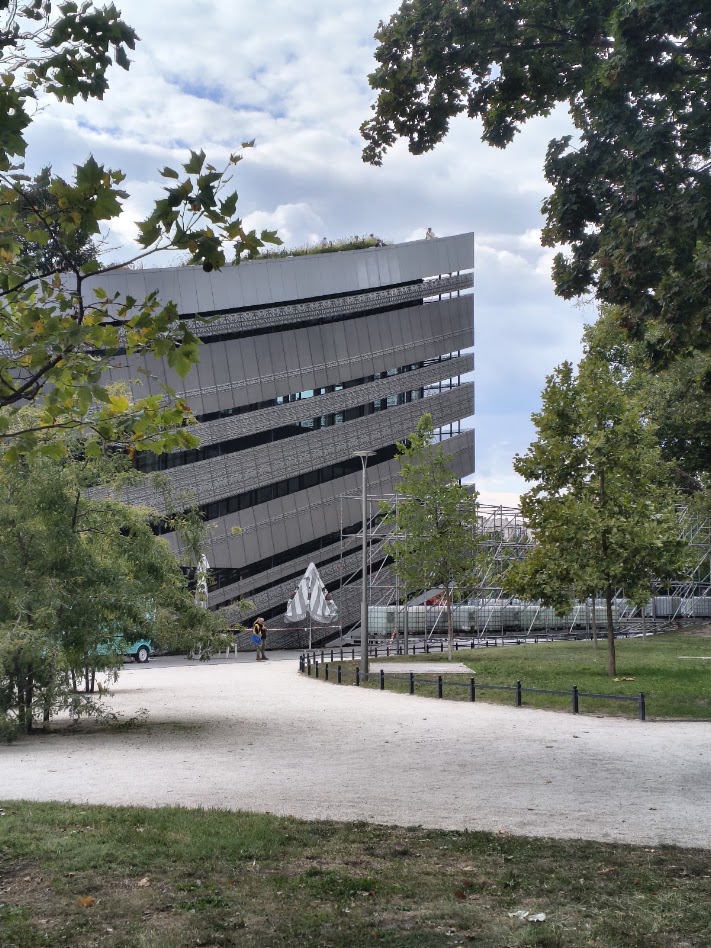
The square is perfectly located for continuing the visit. On its two sides are the Museum of Fine Arts and the Műcsarnok, while directly behind it begins Városliget, the City Park.
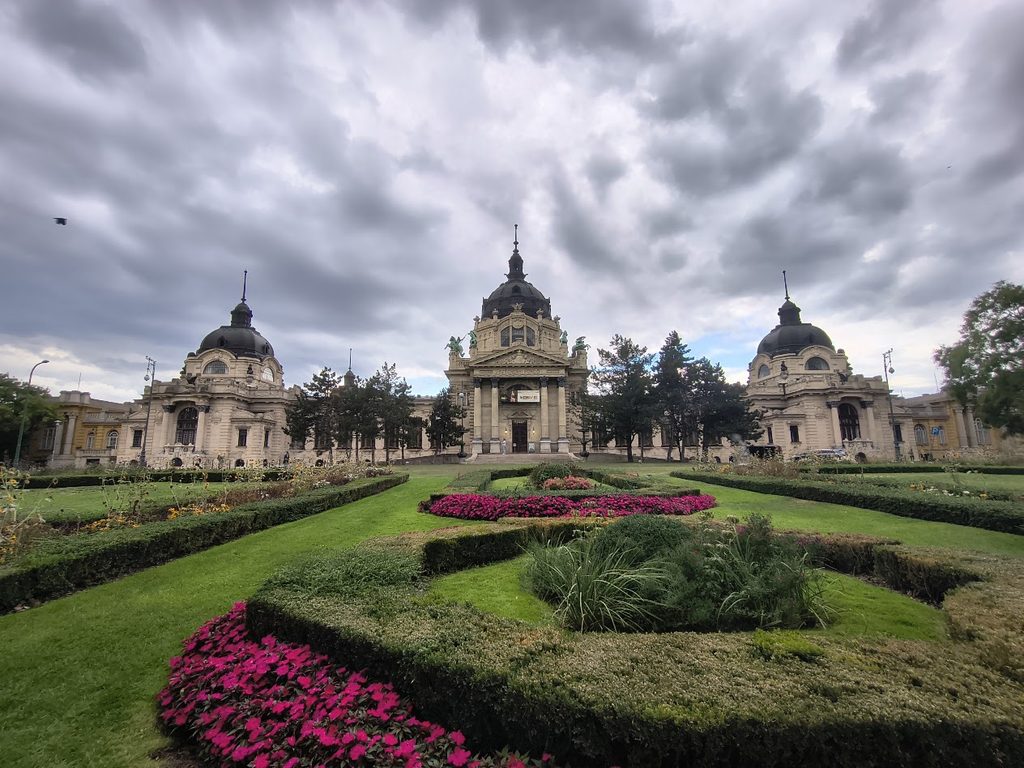
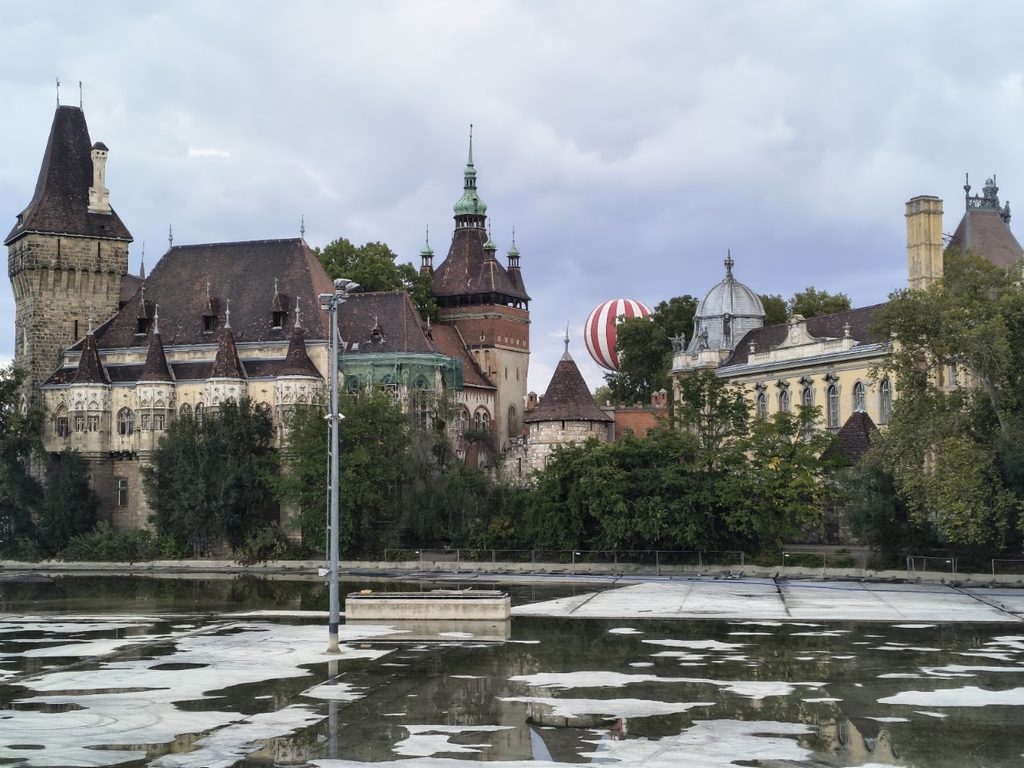
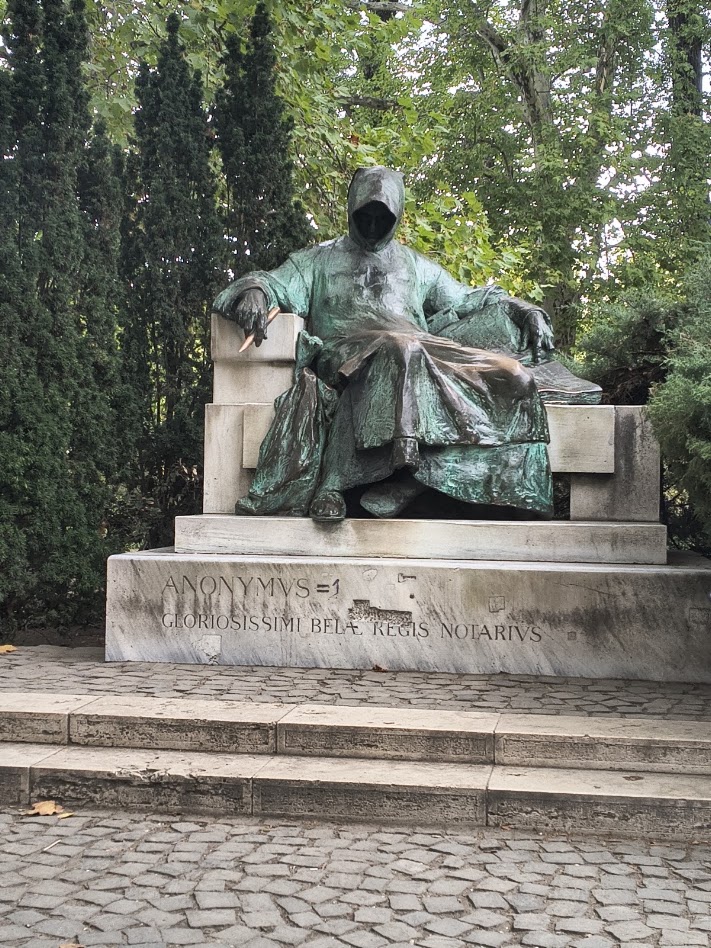
From here you can easily continue towards Vajdahunyad Castle, Széchenyi Thermal Baths, the zoo or simply walk through the park.
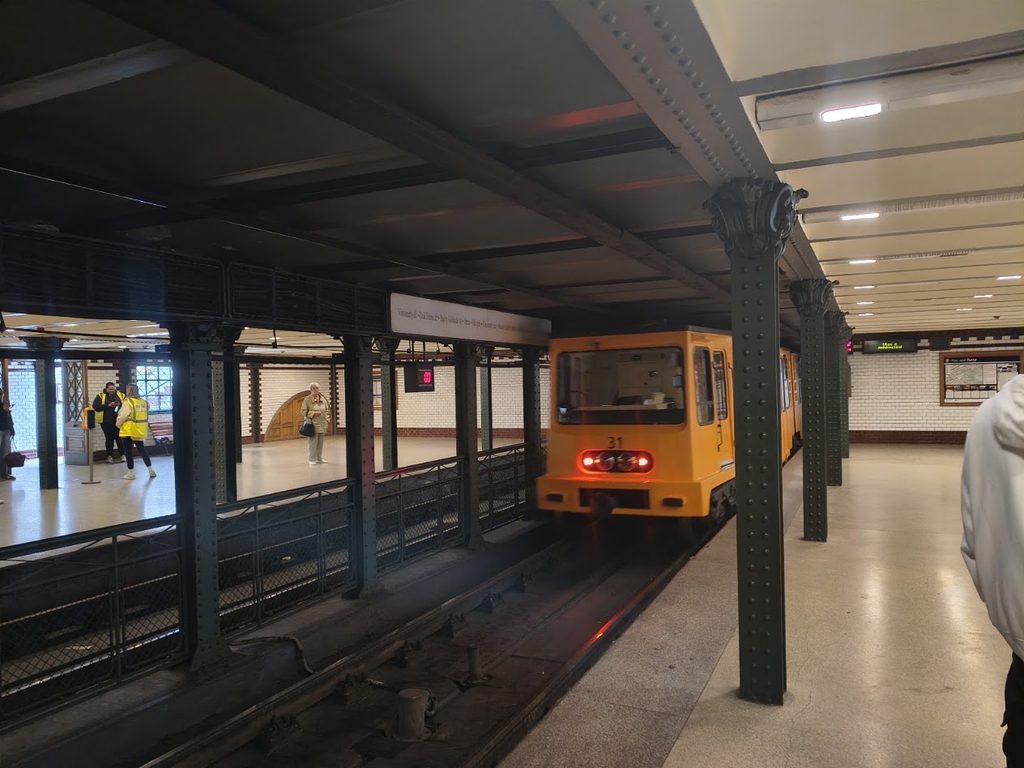
Getting there is also very easy: the historic M1 metro line stops directly at Hősök tere. The square itself is outdoors and can be visited freely at any time.
Final impression
Heroes’ Square is one of those places in Budapest that becomes much more interesting once you understand what you are looking at.
Without knowing its history, it is simply an impressive collection of statues. But after discovering the meaning of the Seven Chieftains, the kings, the memorial and the Millennium celebrations, the whole square starts to feel like an open-air summary of Hungarian history.
And because City Park begins just behind it, it is also one of the easiest places to combine history, architecture and a relaxing walk in the same visit.
Comments are closed.