
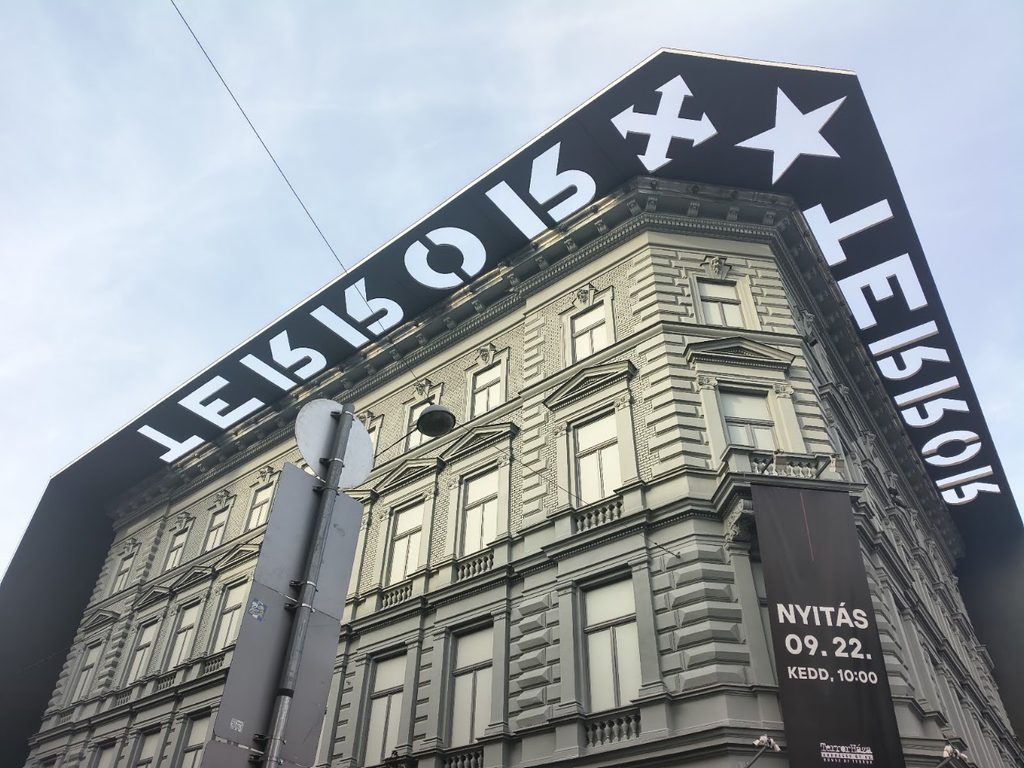
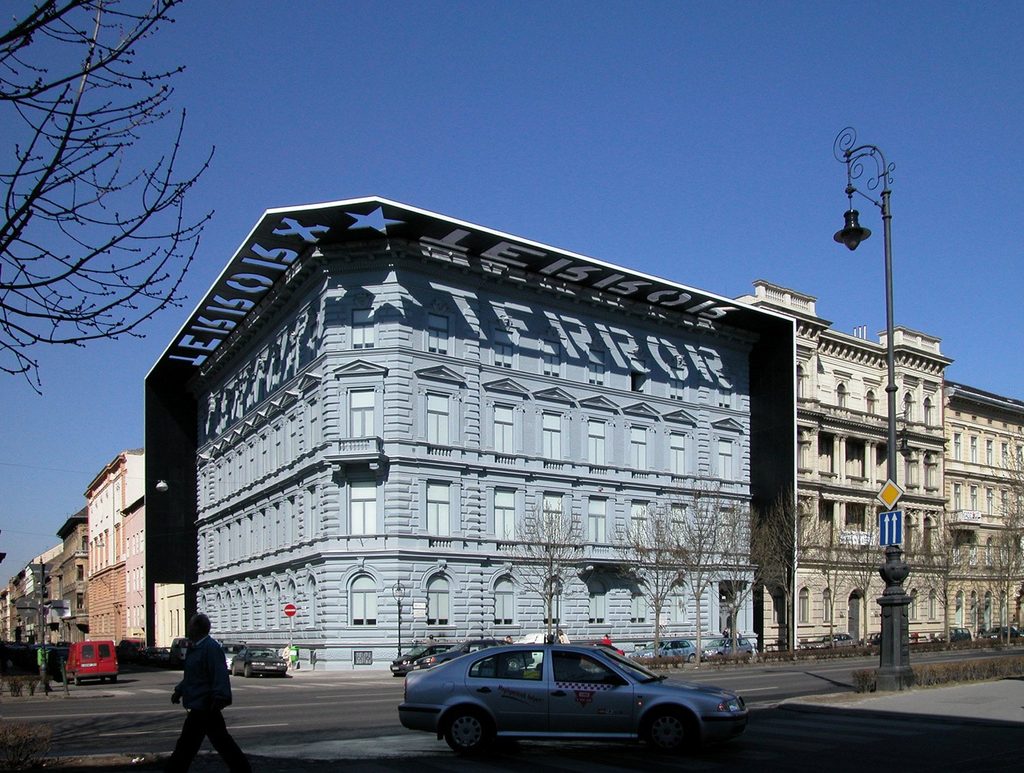
Walking along Andrássy Avenue, it is impossible not to notice the large black TERROR sign above number 60. This is the House of Terror Museum, one of the most intense and unusual museums in Budapest.
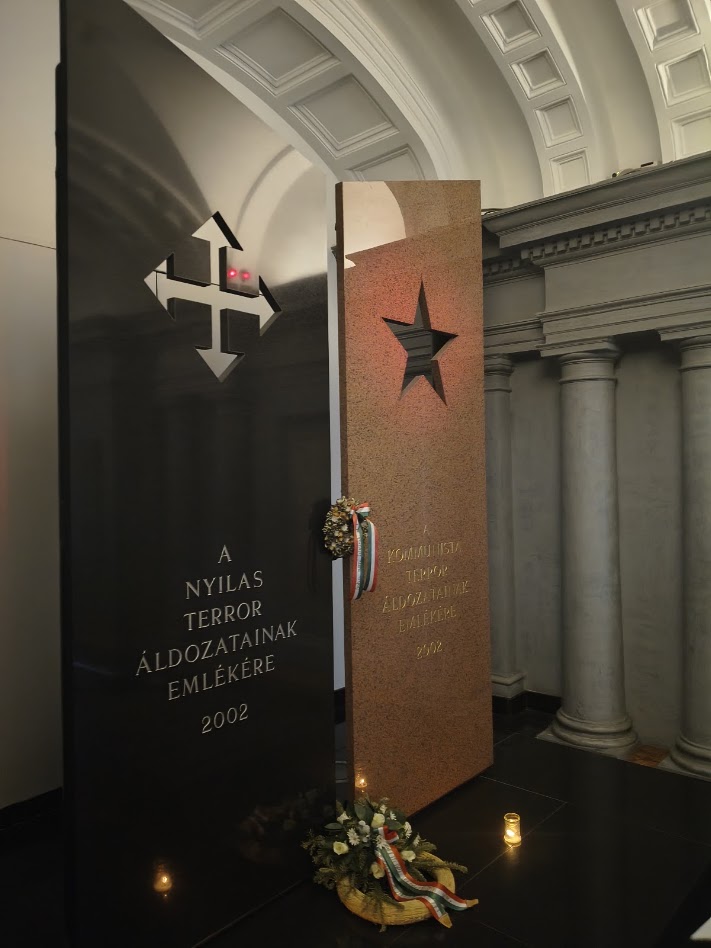
The building itself is part of the exhibition: it was once used by the Hungarian Arrow Cross movement and later by the communist political police. Today, its rooms tell the story of these two dictatorships through original objects, documents, videos and immersive installations.
Inside the museum
The visit starts on the upper floors and follows Hungary’s history during the Nazi occupation and the following communist period.
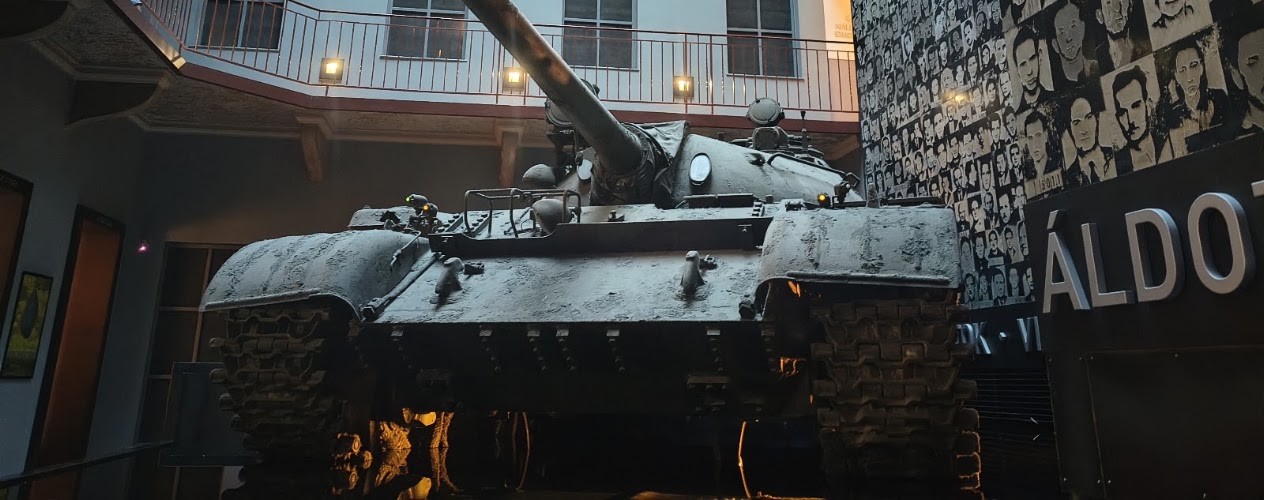
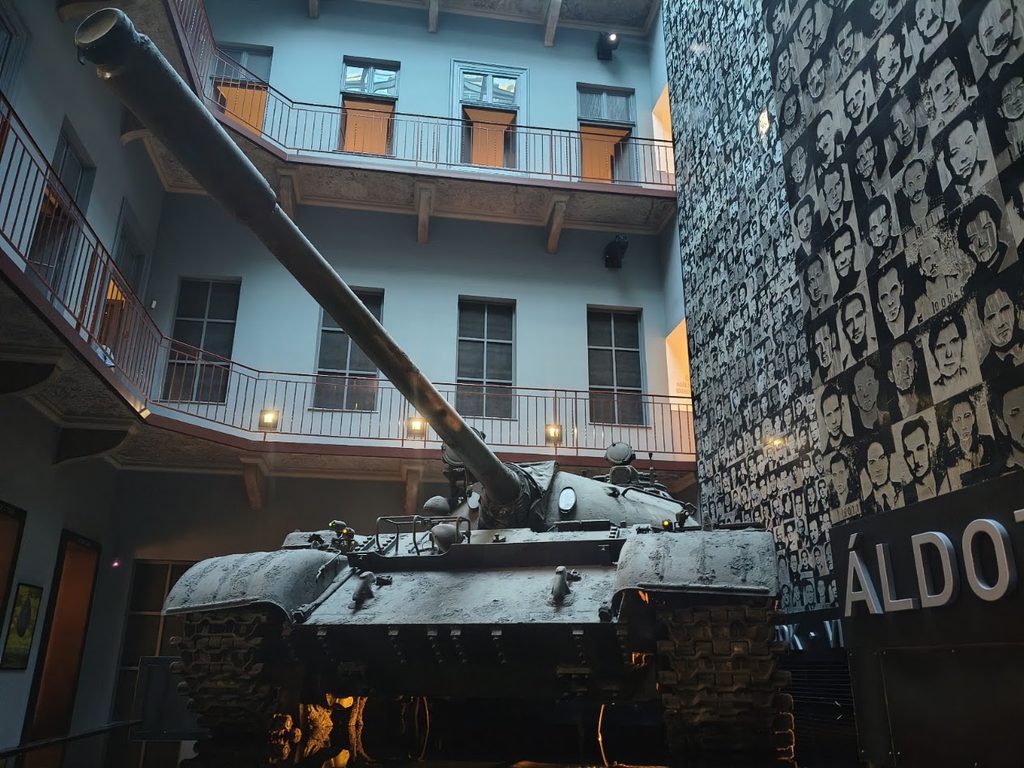
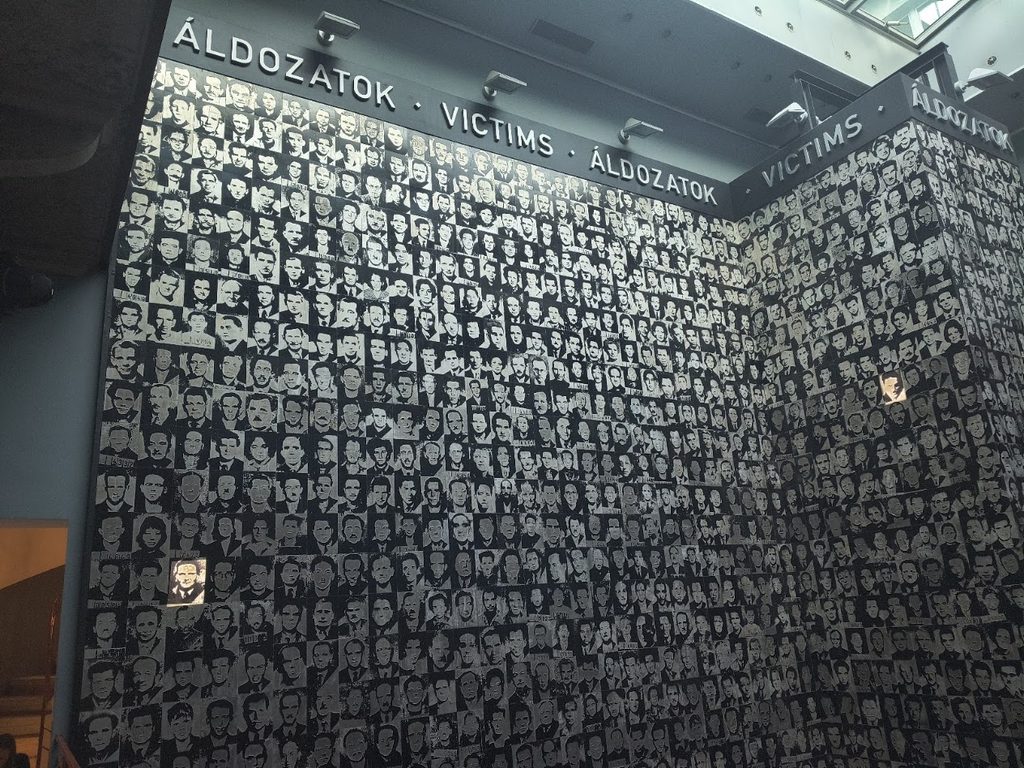
One of the first impressive areas is the central courtyard, where a Soviet tank stands in front of a huge wall covered with photographs of victims. From here, the exhibition becomes increasingly immersive.
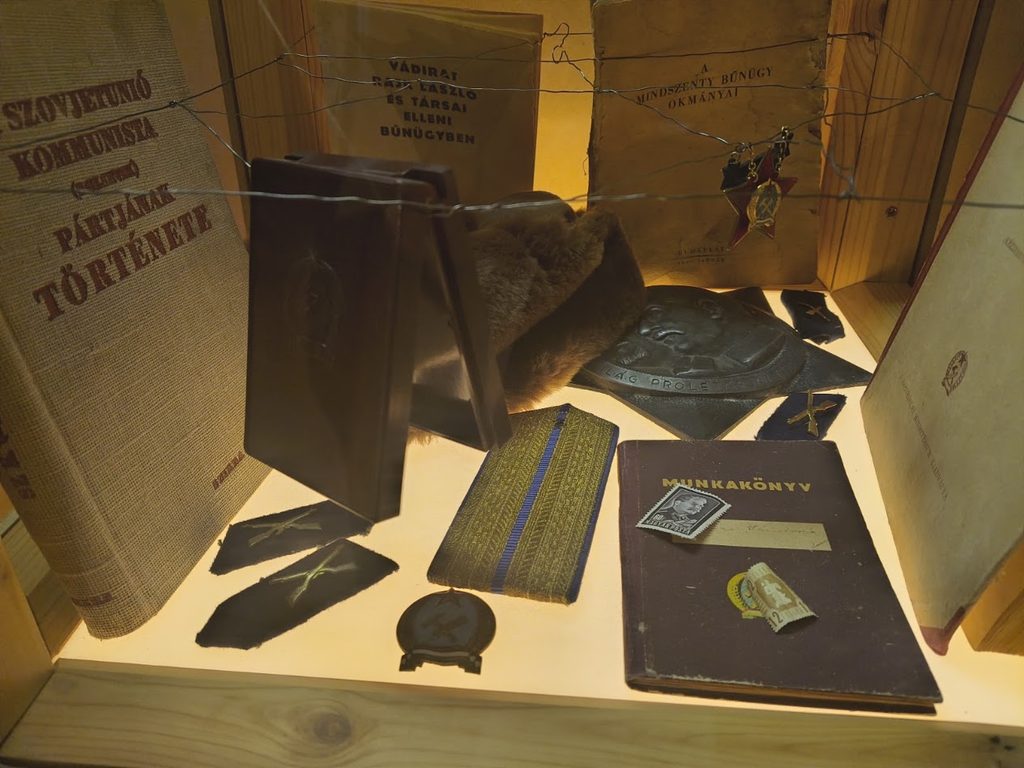
Several rooms are dedicated to the Arrow Cross Party, the Soviet occupation, deportations and forced labour camps. Other spaces show propaganda, uniforms, old newspapers and objects from everyday life.
Rather than being a traditional museum full of display cases, the House of Terror uses lights, music, videos and reconstructed rooms to create a strong atmosphere.
Life under the communist regime
Going down to the first floor, the exhibition focuses more on daily life under communism.
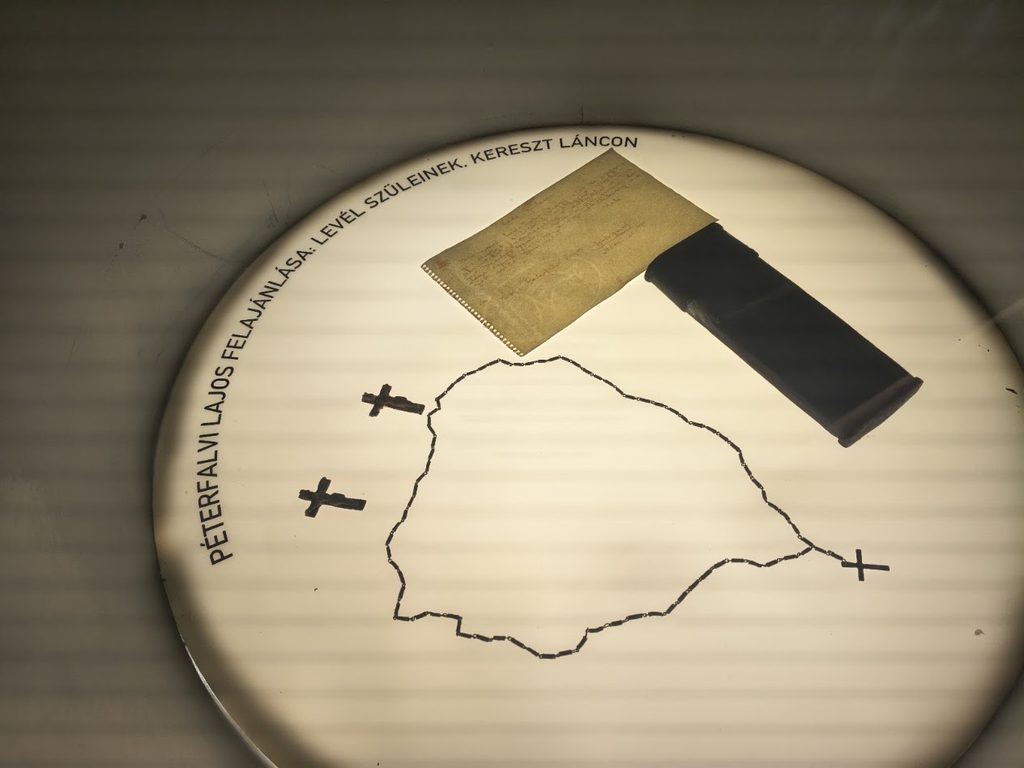
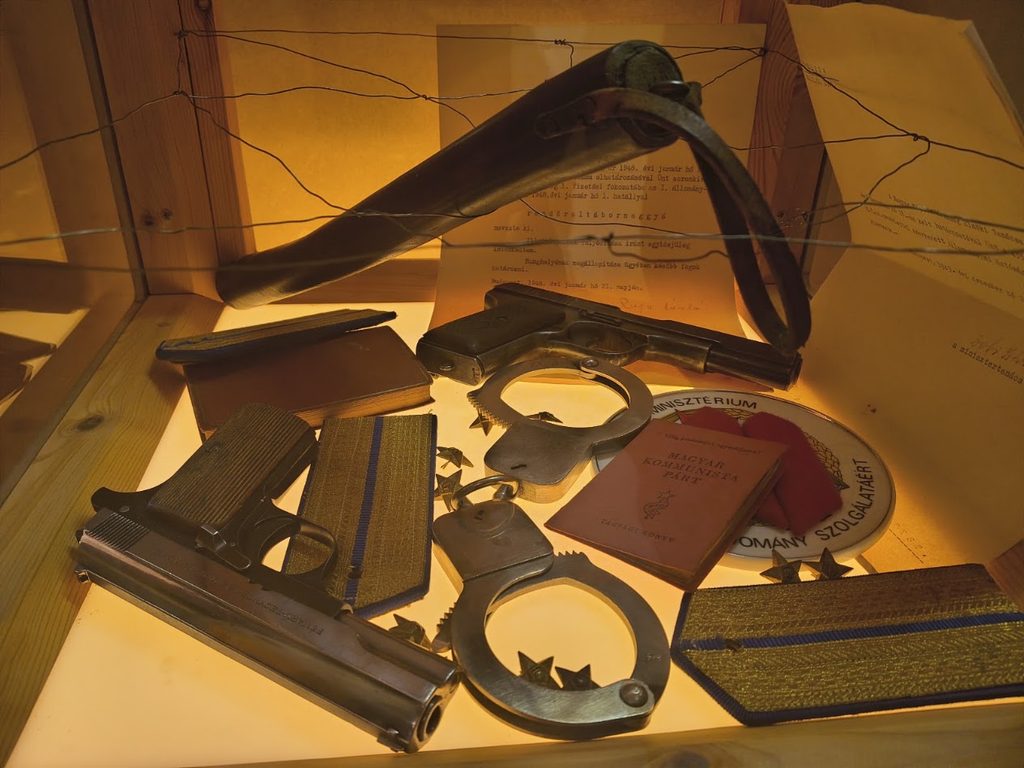
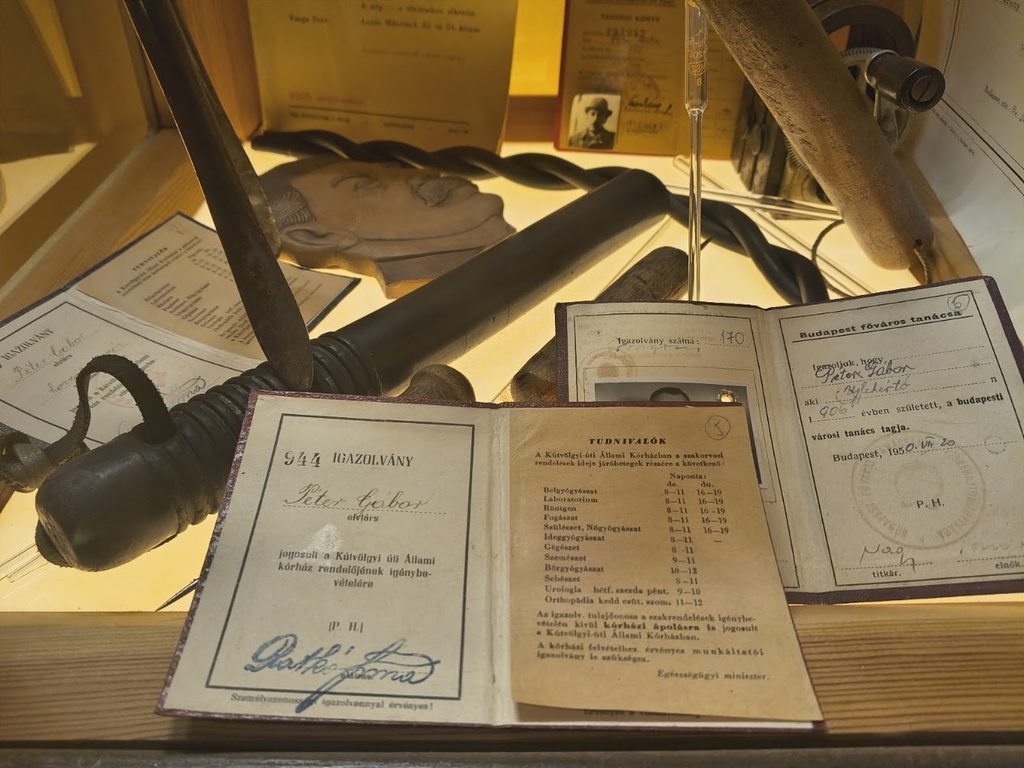
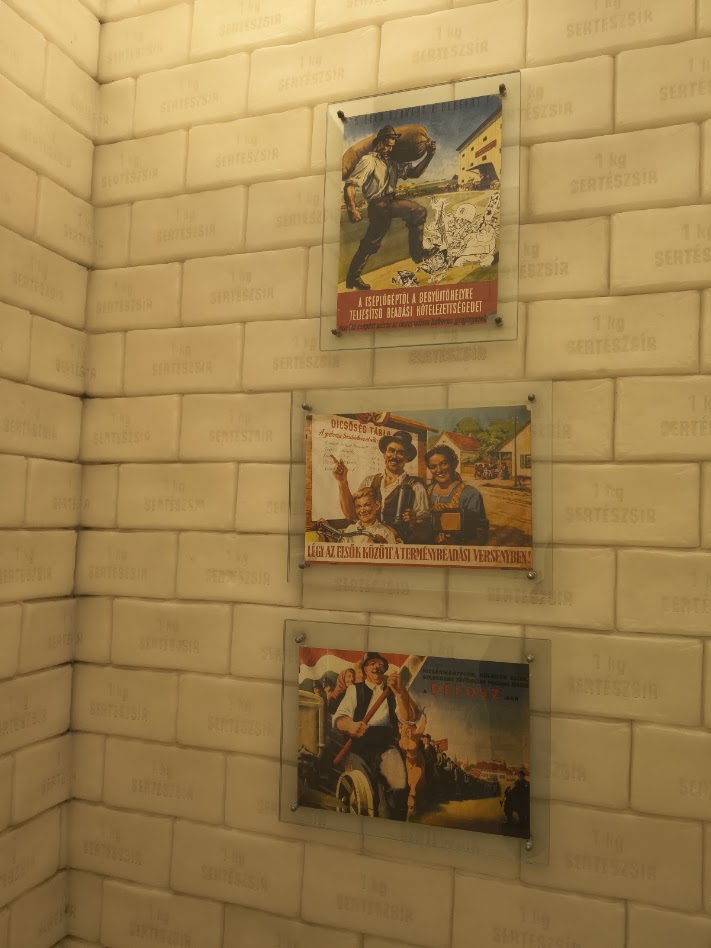
There are rooms about the political police, interrogations, deportations and political trials, but also areas showing how propaganda influenced education, work and everyday life.
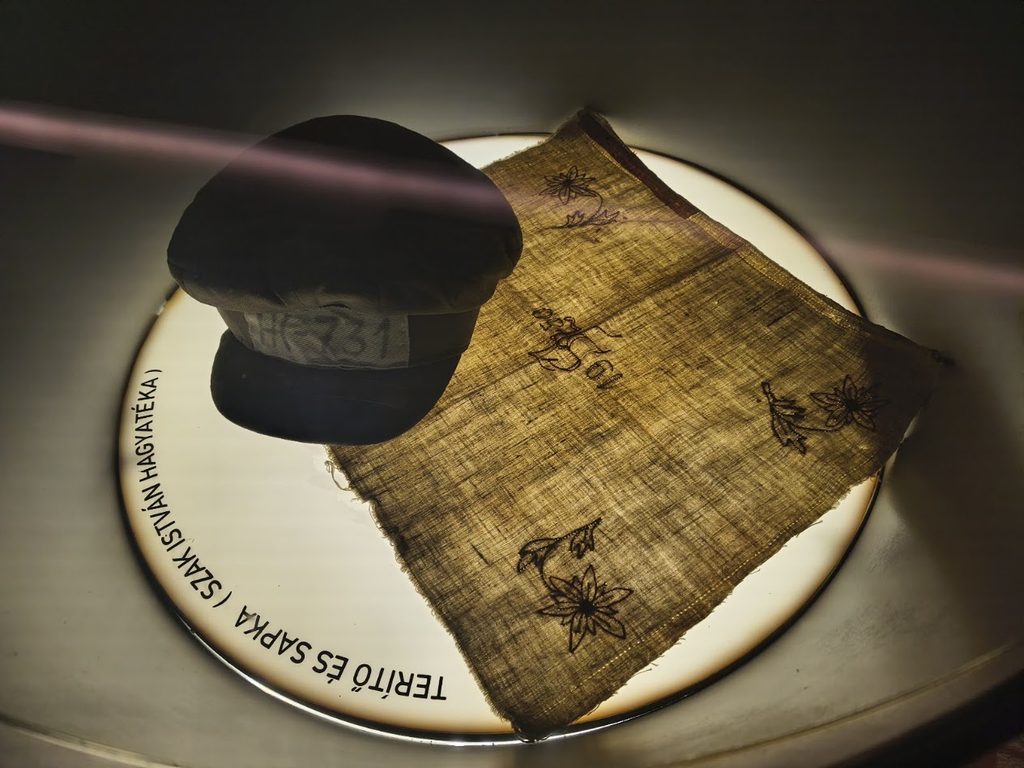
This contrast is one of the most interesting parts of the museum: colourful posters and apparently normal objects are displayed next to much darker stories about surveillance and repression.
The basement
The final part of the visit is probably the most memorable.
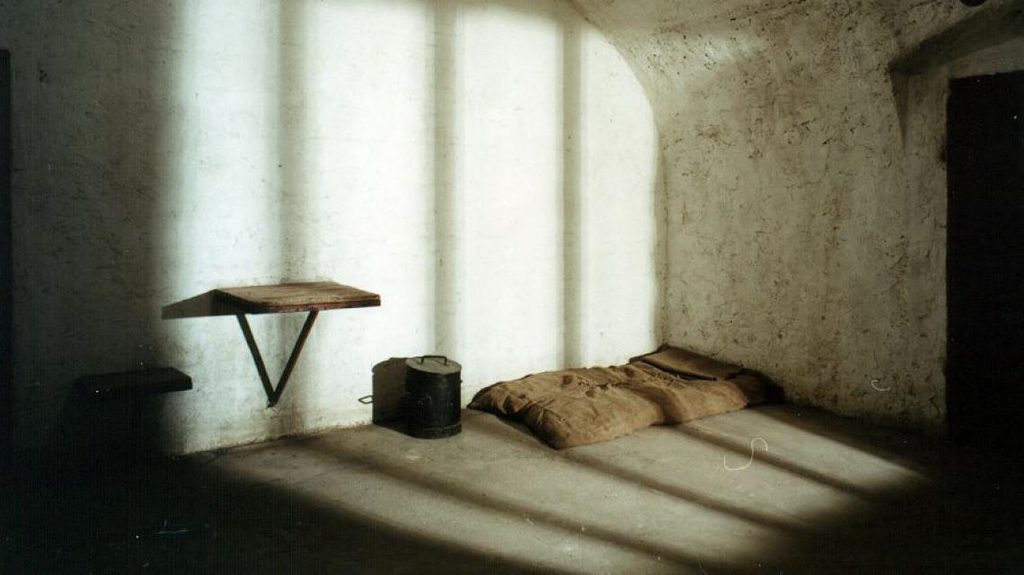
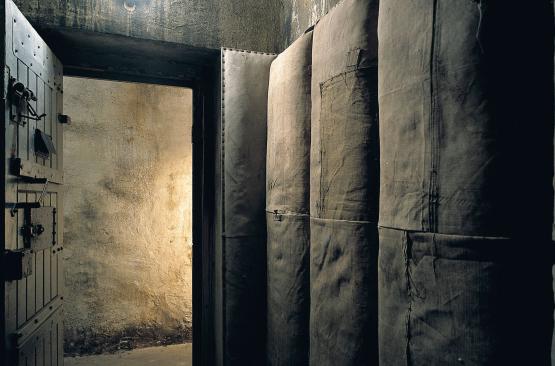
A slow lift takes visitors into the basement, where detention cells and interrogation spaces have been reconstructed. The small rooms, low lights and silence make this section feel very different from the rest of the museum.
The last rooms also tell the story of the 1956 Hungarian Revolution, its repression and the people who resisted the regime.
Our experience
We actually had a nice surprise when we visited the museum yesterday: unexpectedly, we were allowed to enter for free.
We were not expecting it, especially because it was not something we had planned around. Normally, however, the museum is already quite inexpensive for students: the reduced ticket costs 2,000 HUF, around €5.50, for eligible EEA visitors aged 6–25.
So even without free entrance, it is one of the more affordable museums to visit in Budapest as a student.
Is it worth visiting?
The House of Terror is generally considered a powerful museum, especially because of its atmosphere and the reconstructed environments. Some international visitors find that there is not enough English information in certain rooms, so an audio guide can help if you want to understand every part of the exhibition.
It is certainly not a light-hearted attraction, but if you have already seen Budapest’s famous monuments and want to understand more about the city and Hungary’s recent history, it is definitely an interesting place to add to your visit.
For us, the strongest parts were not individual objects, but the combination of real locations, sounds, videos and reconstructed rooms. After leaving the museum and returning to the elegant Andrássy Avenue outside, the building feels completely different.
Comments are closed.