
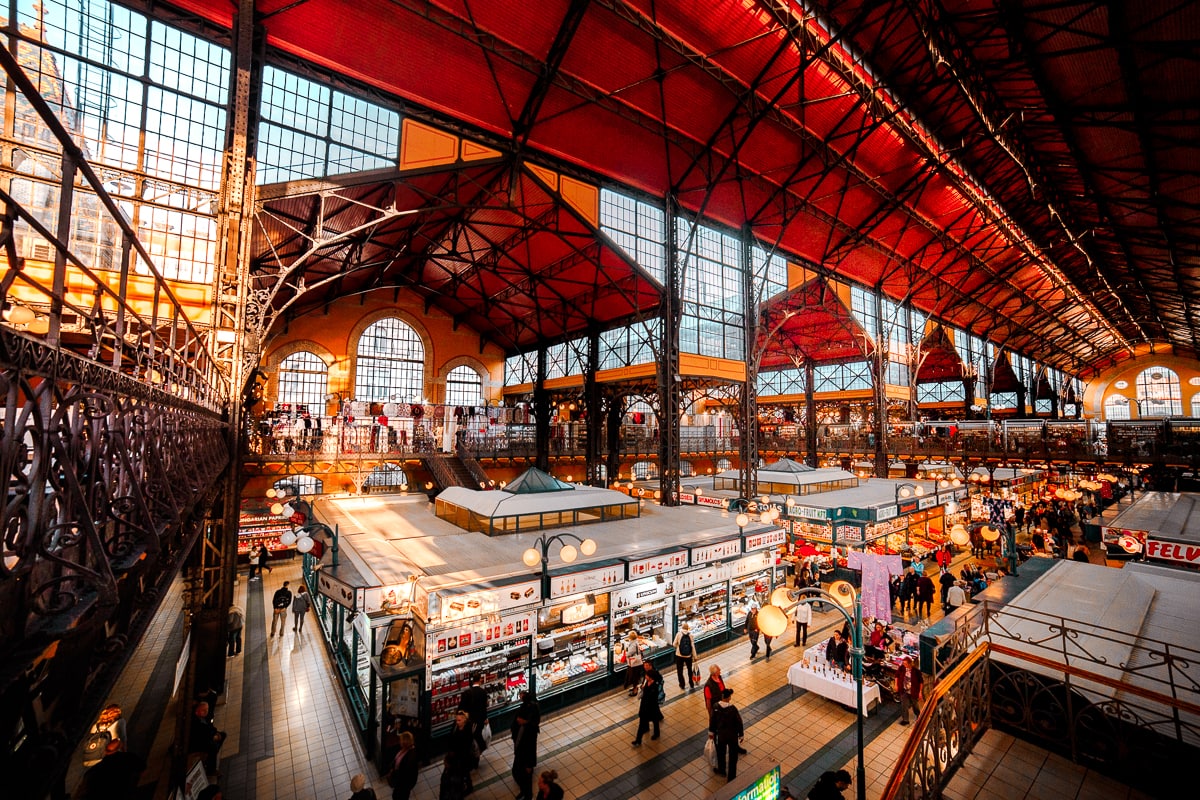
For anyone looking to fully immerse oneself into the spirit of daily life in Budapest, the real energy and the culture of cooking in this unique city can be found in just one location. Nestled at the end of the Liberty Bridge is the stunning neogothic church of food known as the Great Market Hall (Nagyvásárcarnok). Upon entering this magnificent brick structure, one is immediately greeted with the wonderful scents of smoked paprika, pastry, and meat that have been part of the Hungarian cuisine tradition for over a hundred years. This vibrant market center is not only a tourist attraction but also an alive monument of European market traditions in the modern era.
A Wonder of Brick and Zsolnay Tiles
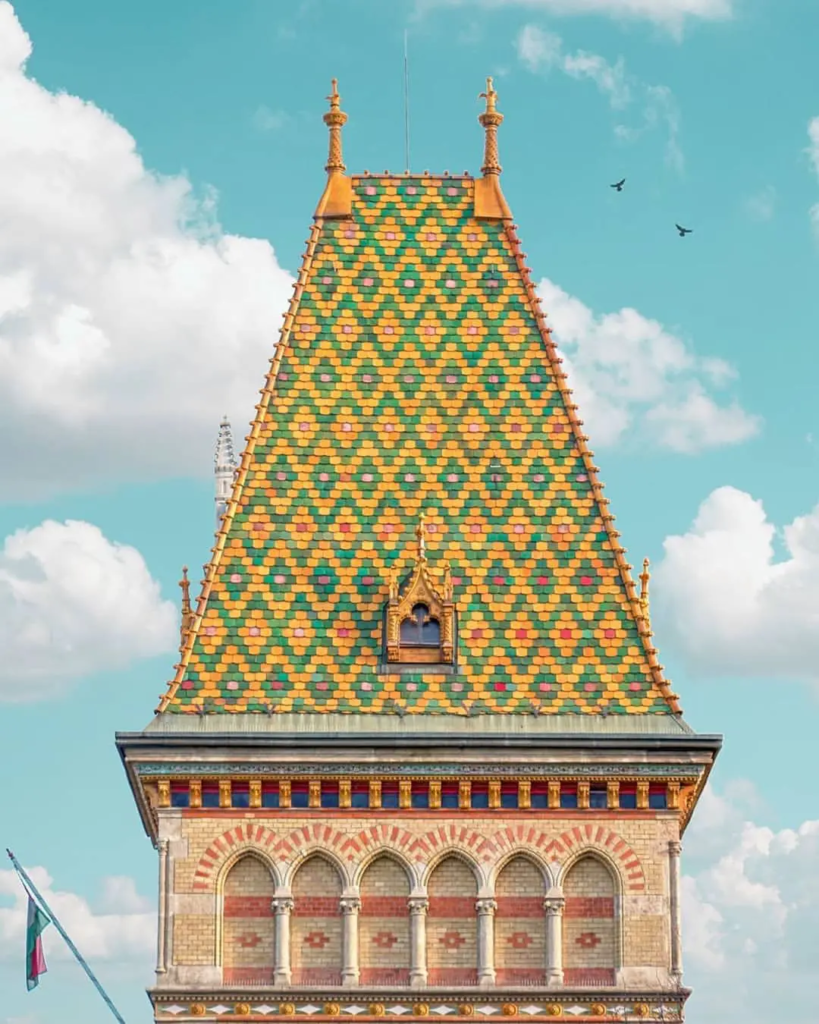
The Great Market Hall was erected back in 1897, led by the renowned architect, Samu Pecz. It came as a result of dire necessity to ensure the quality of food products entering a booming capital. The city responded to the needs with an enormous and ultramodern market hall that not only solved the problem but was a wonderful combination of innovations and aesthetically pleasing architecture. On the exterior of the building there is magnificent architectural design. One of the most outstanding aspects of the Market Hall is its roof which is entirely covered with colorful and weather resistant Zsolnay ceramic tiles brought from Pécs. These tiles make up complex patterns of colors such as green, red, yellow and purple and look splendidly when illuminated by the sun.
Three Floors of Flavors
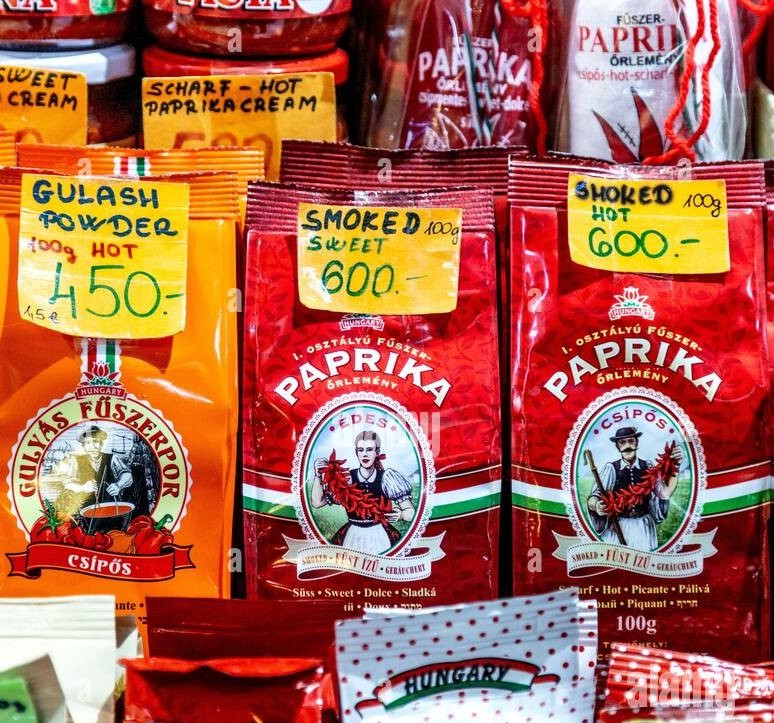
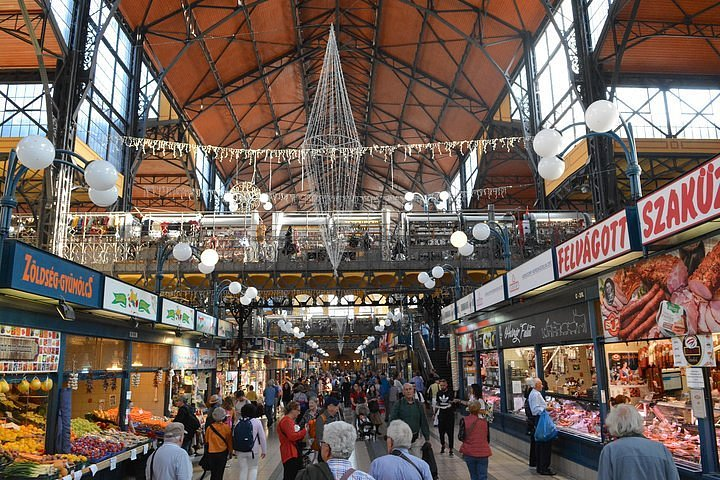
The real charm of the Great Market Hall is in the way it distributes its treasure trove through three floors, each of which creates its own unique atmosphere. The immense bottom floor is a labyrinth of iron columns and wooden stalls filled with the freshest vegetables. You will come across shelves filled with strings of fiery red Kalocsa paprika and garlic braids, as well as butcher stands displaying Hungarian sausages, téliszalámi, and Mangalica pig meat. Once you climb to the upper floor by means of the enormous iron stairs, the atmosphere changes dramatically from fresh ingredients to prepared food and craftwork. The small balcony-like floor is notorious for its food stalls that offer authentic street food, among which the hot, garlic-laced lángos served with sour cream and cheese deserves particular attention. Lastly, the lower floor offers you unique stalls of fresh fish, traditional pickles kept in elaborately decorated jars, as well as various wild game meats.
The Morning Rush: How to Experience the Market Local-Style
In order to experience the magic of the Great Market Hall without tourists, all you have to do is wake up early enough to visit the place at about 8:00 AM, when the market is owned solely by locals. At that time, you can see old grandmothers carefully examine fresh vegetables, and sellers announce their offers of the day. It is noisy, messy, and extremely picturesque scene of Budapest life. First, buy a cup of hot espresso and a delicious piece of túros táska (Hungarian pastry) from a small bakery stall located at the first floor of the market hall. Then just start walking through the stalls and engage into conversation with sellers. These people often are the owners of second or third generation stalls, which gives them a lot of pride for the products sold. They will readily cut a piece of tasty Mangalica ham for you or discuss nuances of sweet, hot, and smoked paprika varieties. Ending your visit with a glass of sweet Tokaji Aszú wine sold by a stall owner will be an authentic and time-honored way to conclude a morning tour.
Comments are closed.