
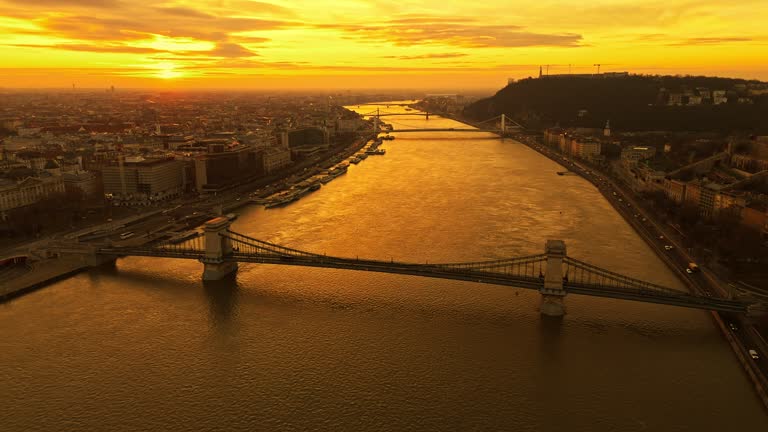
The Danube is the second largest river in the world, it doesn’t just pass through the city; it defines it. It acts as a massive, liquid mirror reflecting centuries of architectural genius, while physically separating the rolling hills of Buda from the flat, pulsing urban sprawl of Pest.But the Danube is far more than a scenic backdrop for a sunset cruise. It is a historic highway, a former militarized border, and the setting for some of the city’s most dramatic and heartbreaking moments. To truly understand Budapest, you have to understand its river and know exactly where to go to catch its most unforgettable views.
A Brief History: From Roman Frontier to Golden Age Elegance
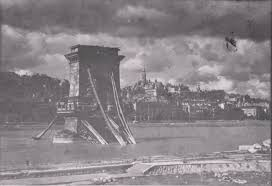
The Danube (Duna in Hungarian) has been shaping the destiny of this region for thousands of years. Long before Budapest became a unified metropolis, the river served as the Limes; the fortified northern frontier of the Roman Empire. The ancient Roman city of Aquincum (located in modern-day northern Budapest) was built precisely to guard the river crossing against invading tribes. For centuries, the river was both a blessing and a threat. It brought immense wealth through trade, but it also brought destruction. In 1838, a catastrophic icy flood completely devastated Pest, destroying thousands of houses. This tragedy forced the city to build the massive stone embankments you see today and sparked a modern urban construction boom. The river’s greatest historical milestone came in 1873, when the three independent towns of Buda, Óbuda, and Pest officially merged into one single city. This union was only made possible by the construction of the Széchenyi Chain Bridge in 1849; the first permanent stone bridge to span the Hungarian Danube, engineered to withstand the river’s powerful winter ice floes.
The Dark Undercurrents of World War II
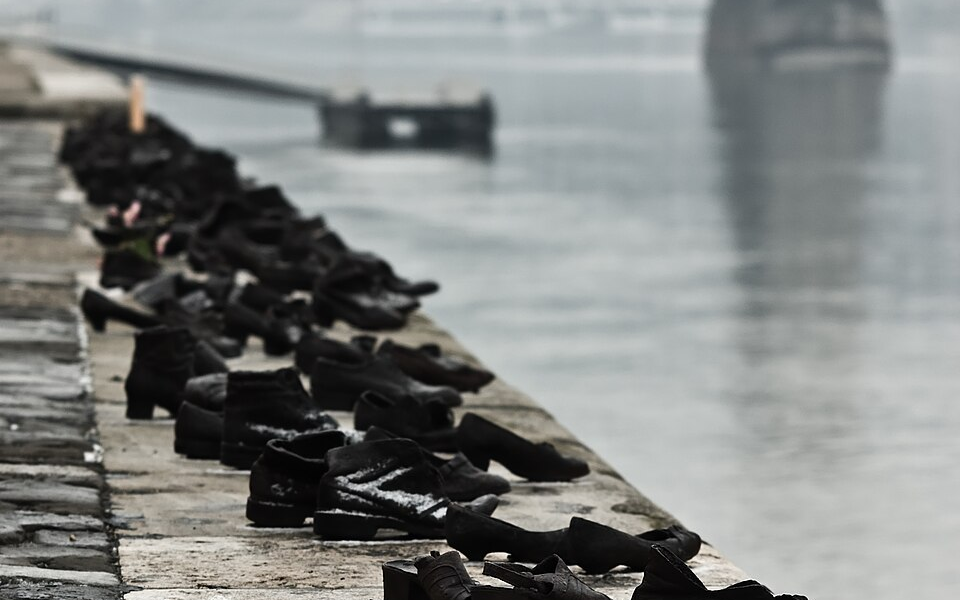
You cannot talk about the Danube without acknowledging its most somber chapter. During the winter of 1944–1945, the riverbanks became a site of unimaginable horror. The Arrow Cross party (the Hungarian fascists) rounded up thousands of innocent people, mostly Hungarian Jews, shot them at the edge of the water, and let the current carry them away. Today, near the Hungarian Parliament Building, stands one of the most moving memorials in the world: The Shoes on the Danube Bank. Sixty pairs of rusted, period-style iron shoes are scattered along the stone edge. They represent the victims, who were ordered to strip off their valuable shoes before being executed. It is a quiet, haunting reminder that this beautiful river has borne witness to the deepest depths of human tragedy.
The Absolute Best Viewpoints to Watch the Danube
When the sun begins to dip below the horizon and the city lights turn on, the Danube transforms into a glittering ribbon of gold. To capture the perfect panoramic shot, skip the standard street-level views and head to these elite vantage points:
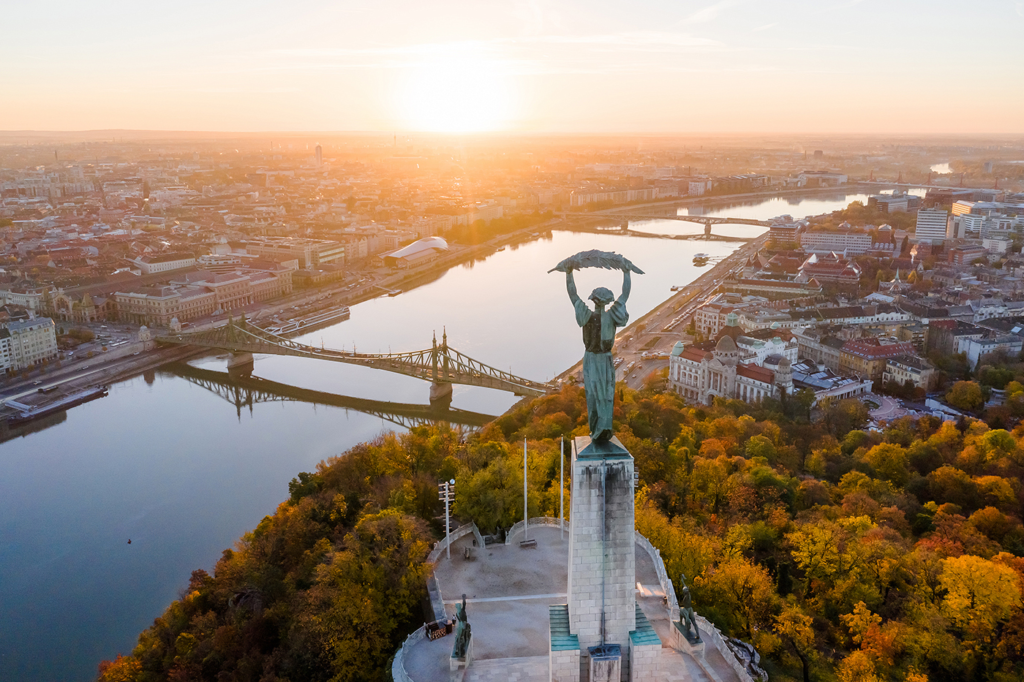
The Citadel (Gellért Hill)
The ultimate, high-altitude ambient, Perched directly on top of the steep cliffs of Gellért Hill, the Citadel offers the highest natural viewpoint in central Budapest. From here, you get a dramatic, bird’s-eye perspective of the river snaking through the landscape, with all eight central bridges perfectly lined up like a deck of cards.
Fisherman’s Bastion (Buda Castle District)
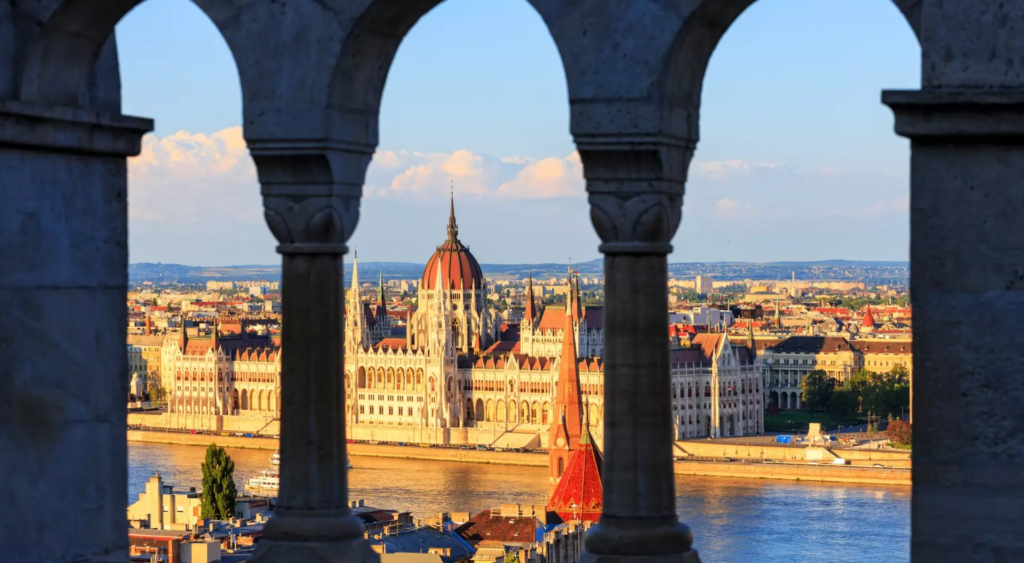
If you are lookin for a fairy tale like view over the water, the neo-Romanesque white stone arches and turrets of Fisherman’s Bastion feel like something straight out of Lord of the Rings. Looking through these stone frames across the Danube gives you the absolute best, most symmetric view of the majestic Hungarian Parliament Building sitting directly on the opposite bank.
The Middle of the Liberty Bridge (Szabadság híd)
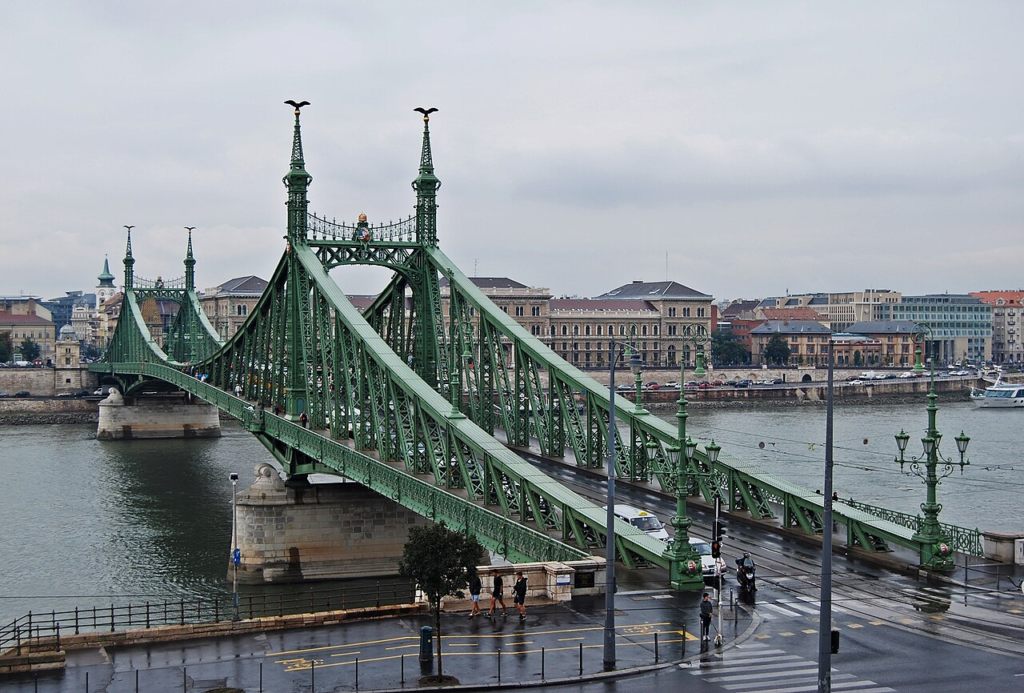
The Liberty bridge gives an immersive, local, and artistic vibe While walking along the banks is nice, standing right in the middle of the Liberty Bridge puts you directly above the water. Its industrial, bright-green ironwork frames the Gellért Hill on one side and the Grand Market Hall on the other. During summer weekends, the city often closes this bridge to car traffic, turning it into a giant pedestrian picnic spot over the river.
The Promenade at Margaret Island (Margitsziget)
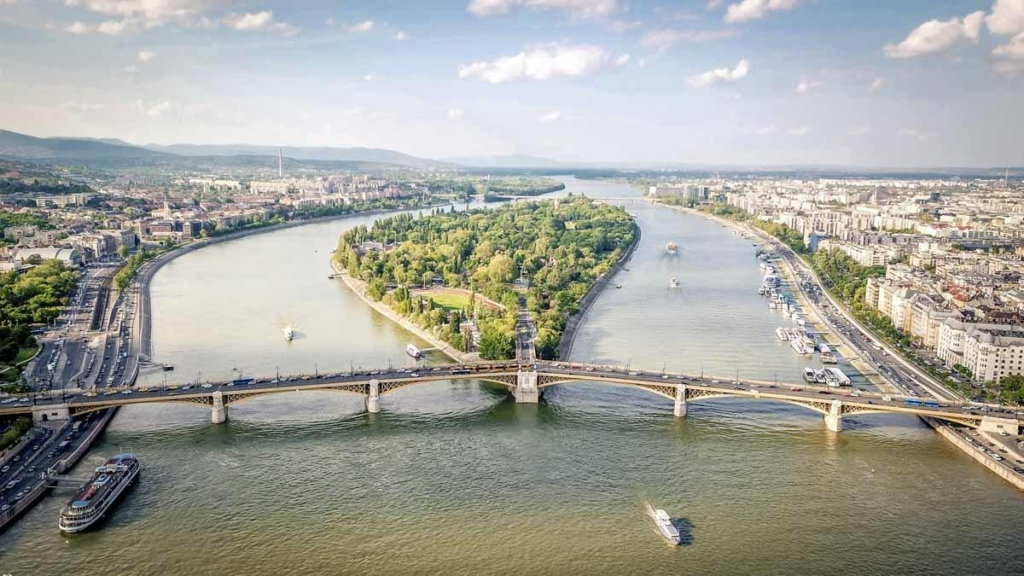
In the promenade you have a peaceful, green, and serene atmosphere If you want to see the Danube split into two separate branches, head to the southern tip of Margaret Island. Standing here puts you right in the center of the river’s flow, offering a unique “insider” view of both the Buda and Pest shorelines simultaneously, completely surrounded by parkland.Whether you are looking at it from a stone turret in a medieval castle or standing quietly by the iron shoes on its bank, the Danube remains the true soul of Budapest, a river that has seen empires rise and fall, yet continues to flow, effortlessly beautiful, through the heart of Europe.
Comments are closed.