
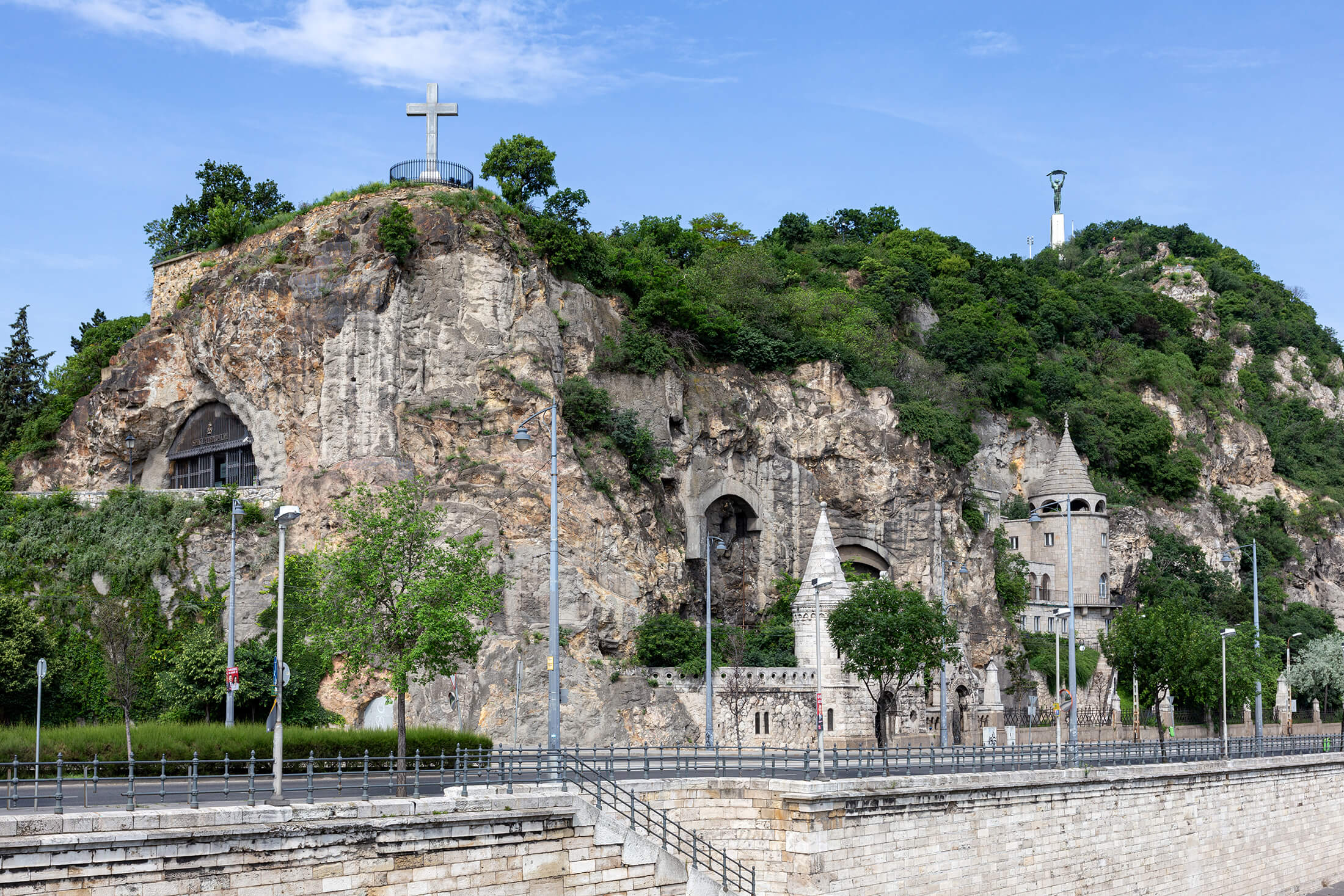
If you are standing on the Pest side of the city and look across the Danube River toward the rocky cliffs of Gellért Hill, there is a tiny detail that is incredibly easy to miss: a small stone portal carved directly into the mountainside, topped by a simple steel cross. From a distance, it looks like nothing more than a scenic lookout point. But if you cross the Liberty Bridge and step inside that cave mouth, you’ll find yourself in one of the most unique, spiritual, and historically dramatic spots in all of Budapest: The Cave Church (Sziklatemplom).
The wild thing about this place is that you won’t find the usual polished marble pillars or soaring gothic arches here. The walls are made of raw, dark, unpolished mountain rock. But the real reason this place gives you goosebumps isn’t just the unique architecture—it’s the sheer survival story. This church didn’t just survive a war; it survived a brutal communist purge and a literal two-meter-thick wall of solid concrete poured into the rock to erase it from the city’s memory forever.
Inspired by Lourdes (With a Little Help from Dynamite)
The whole thing started back in 1926. A group of Hungarian monks from the Order of Saint Paul the First Hermit (commonly known as the Pauline Monks) went on a pilgrimage to Lourdes, France. They were completely blown away by the famous holy cave there. When they got back to Budapest, they had a wild idea: why not do the exact same thing inside Gellért Hill, using a natural thermal cavern known since the Middle Ages as Saint Ivan’s Cave?
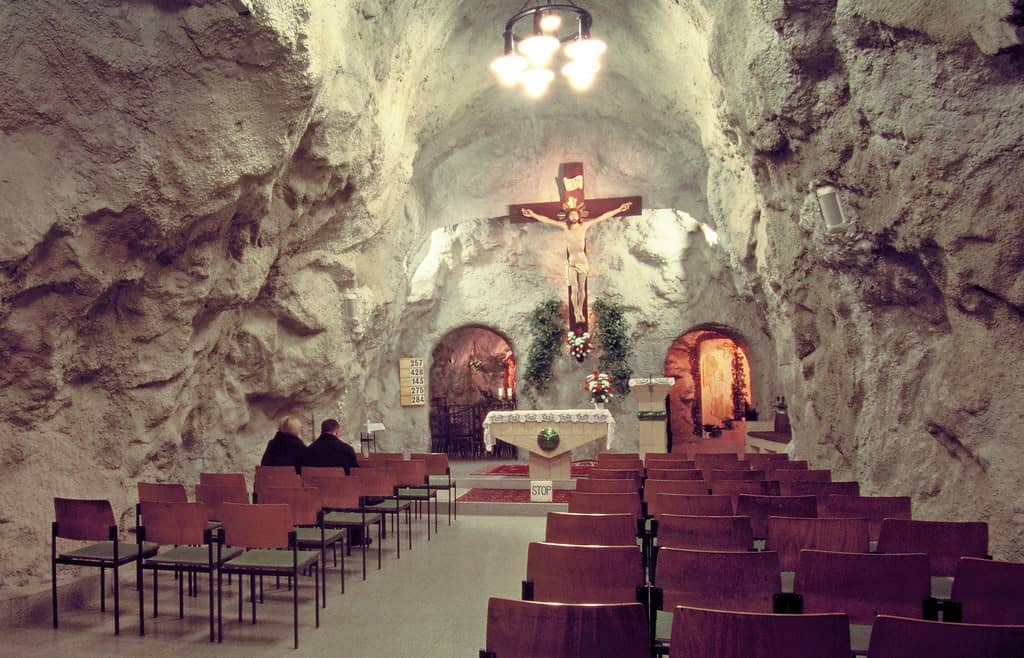
The only issue was that the original cave was way too narrow to fit a proper congregation. So, in the early 1930s, the monks and some local engineers rolled up their sleeves and expanded the mountain using targeted blasts of dynamite, chipping away at the rock until they had carved out a full subterranean sanctuary.
When the church was consecrated in 1931, they discovered a massive practical bonus: thanks to the natural thermal springs flowing deep beneath Gellért Hill, the temperature inside the cave stays at a comfortable, warm level year-round, acting like a built-in, natural climate control system.
World War II: The Secret Underground Hospital
When World War II hit and the brutal Siege of Budapest began, the church’s unique location turned out to be its ultimate saving grace. While the city above was being relentlessly leveled by airstrikes and artillery, the thick stone canopy of Gellért Hill acted as an indestructible shield.
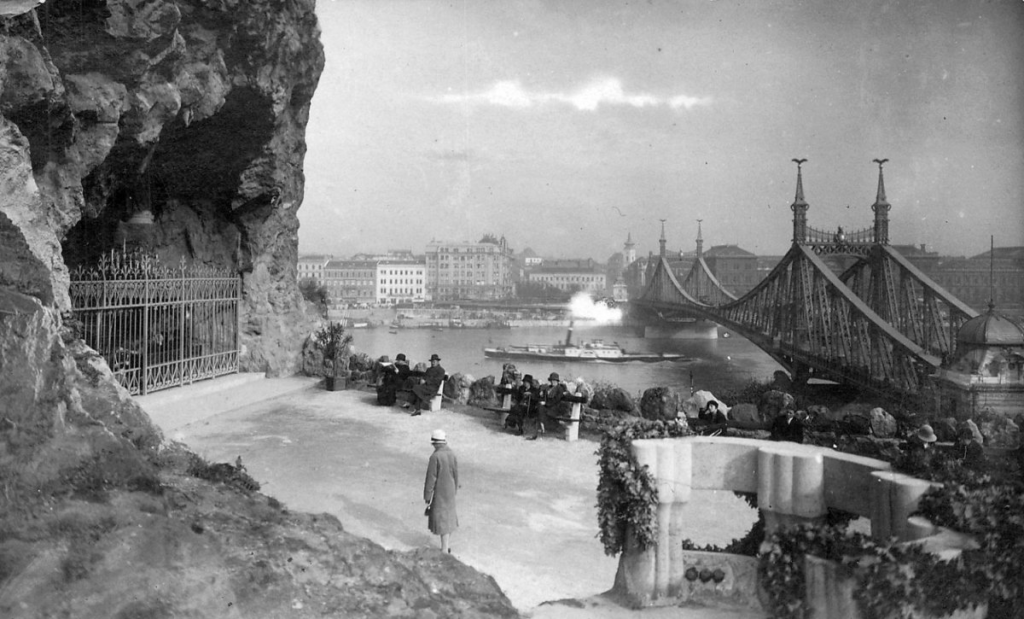
The monks decided to throw open the cave doors to anyone in desperate need. Almost overnight, the church was transformed into a secret underground emergency hospital and bomb shelter.
Deep under the rock, by the dim glow of candles, wounded soldiers, displaced civilians, and entire Catholic families fleeing Nazi persecution found a safe haven. For months, this cave was an oasis of life while the world outside was turned to rubble.
Buried Alive: The Communist Regime Purge
The darkest chapter for the Sziklatemplom came after the war, during the Soviet occupation. The newly installed communist regime viewed the Catholic Church—and the highly respected Pauline Monks—as a massive threat to their absolute control over the public.
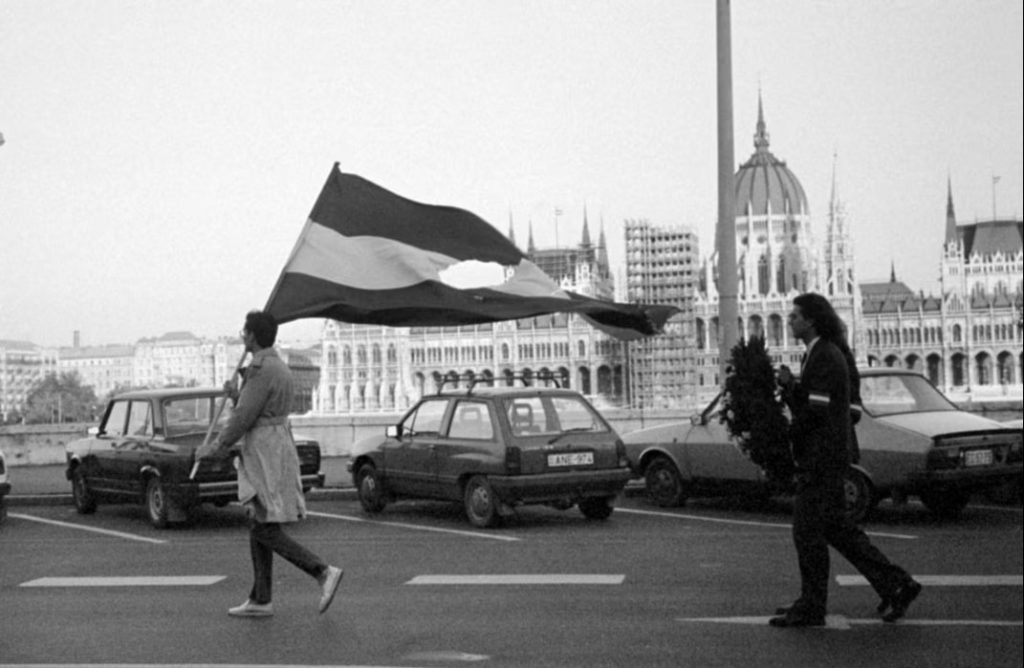
On Easter Monday in 1951, the AVH (Hungary’s feared secret police) launched a violent, coordinated raid on the cave. All the monks were dragged out and arrested, their property was seized, and their leader, Ferenc Vezér, was framed, sentenced to death, and executed.
But the regime didn’t just want to get rid of the monks; they wanted to make sure people forgot the church ever existed. They ordered construction crews to do something drastic: they poured a massive, two-meter-thick wall of solid reinforced concrete directly into the mouth of the cave. The church was literally buried alive. For nearly forty years, while city trams rattled right past the entrance, the sanctuary sat trapped in absolute silence and total darkness.
Breaking the Wall: Visiting the Cave Today
That massive concrete tomb was finally smashed to pieces with jackhammers and explosives in 1989, following the collapse of the Iron Curtain. When the monks were finally allowed back inside, they found the cave interior perfectly preserved, completely frozen in time.
Today, walking into the Sziklatemplom is a total trip for the senses. You are instantly hit by the heavy scent of incense mixing with the cool, damp humidity of the cavern. The space is split between the raw, wild rock of the outer cave and a more structured inner chapel.
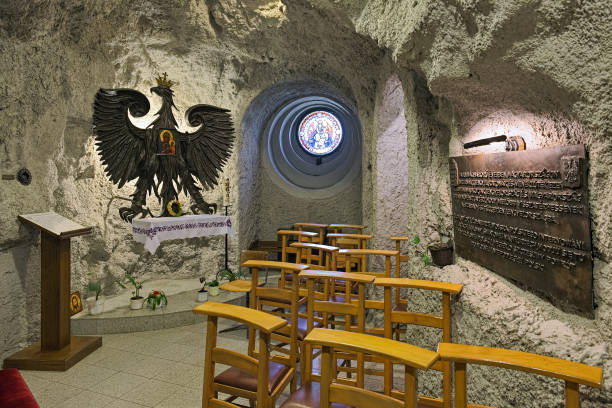
As you explore the dim pathways cut straight into the stone, there are three unique details you absolutely have to look out for:
The Black Madonna of Częstochowa: A beautiful replica of the famous Polish icon, highlighting the deep, historic bond between the Hungarian and Polish branches of the Pauline Order.
The Carved Raven: Look closely for a gorgeous wooden carving of a raven holding a piece of bread in its beak—the ancient symbol of Saint Paul the Hermit.
The Székely Gate: At the entrance to the monastery stands a massive, monumentally intricate wooden gate, hand-carved in the traditional style of the Transylvanian region.
The best part about the Cave Church is that it isn’t some dead, dusty museum. It is a living, breathing house of worship where the Pauline monks still hold mass every single day. It serves as the ultimate reminder that you can pour all the concrete you want over a place, but you can never truly crush its spirit.
Comments are closed.