
As soon as you start living in Budapest, after leaving Italy, you will experience a culture shock. The exact moment when you will realize you are no longer in Italy occurs when you find yourself standing in front of a Hungarian supermarket, staring at an entire shelf filled with sour cream (tejföl ) and paprika, looking for some good quality extra virgin olive oil or a piece of Parmigiano.
Eating like an Italian in Budapest can become quite challenging, considering the lack of necessary ingredients, the presence of alternative local products which may seem to commit culinary high treason and the high prices charged by imported products, which may question your life choice.
However, this guide will help you survive and even prosper. These are the secrets of where to purchase products, what to use instead and how to eat like an Italian in Budapest, regardless of the price.
What you can easily find
The first thing you should definitely take advantage of is Lidl, interspar and Penny Market since being huge international chains, their Hungarian outlets offer pretty much the same assortment as in Italy. It is possible to purchase the same basic foodstuffs as before, good quality mozzarella, common pasta brands, and classic Italian canned tomatoes. During Italian weeks (with Italiamo products from Lidl), try to purchase some of these products since they are really good.
However, one of the best secrets to discover for an Italian person living in Budapest is Interspar (Spar). The real trick about this store chain is that it sells Despar (Italian version) products! That’s right Despar, which is the same brand that one can buy in Italy. It means that you will be able to find there Italian tomatoes sauce ( passata ), cans of beans, bronze-die pasta, tuna, and even tasty morning biscuits, all at regular market prices.
Fresh products: onions, garlic , potatoes , and tomatoes are everywhere, including corner shops working 24/7. Eggs are sold in packs of 10 and not 6 or 12; moreover, eggs are medium-sized (size M). Milk is easily accessible in boxes and UHT packs.
Expensive and difficult to source items
Unfortunately, the painful bit comes next. Although you can find most Italian ingredients locally, sourcing the real, authentic, and quality versions of these ingredients in Budapest is extremely costly.
For instance, do you fancy Guanciale, genuine Pecorino Romano, or Prosciutto di Parma? You will only find them at speciality supermarkets like Culinaris or an Italian deli, and get ready to part with double or triple your money compared to prices in Italy.
Here are some of the other big problems:
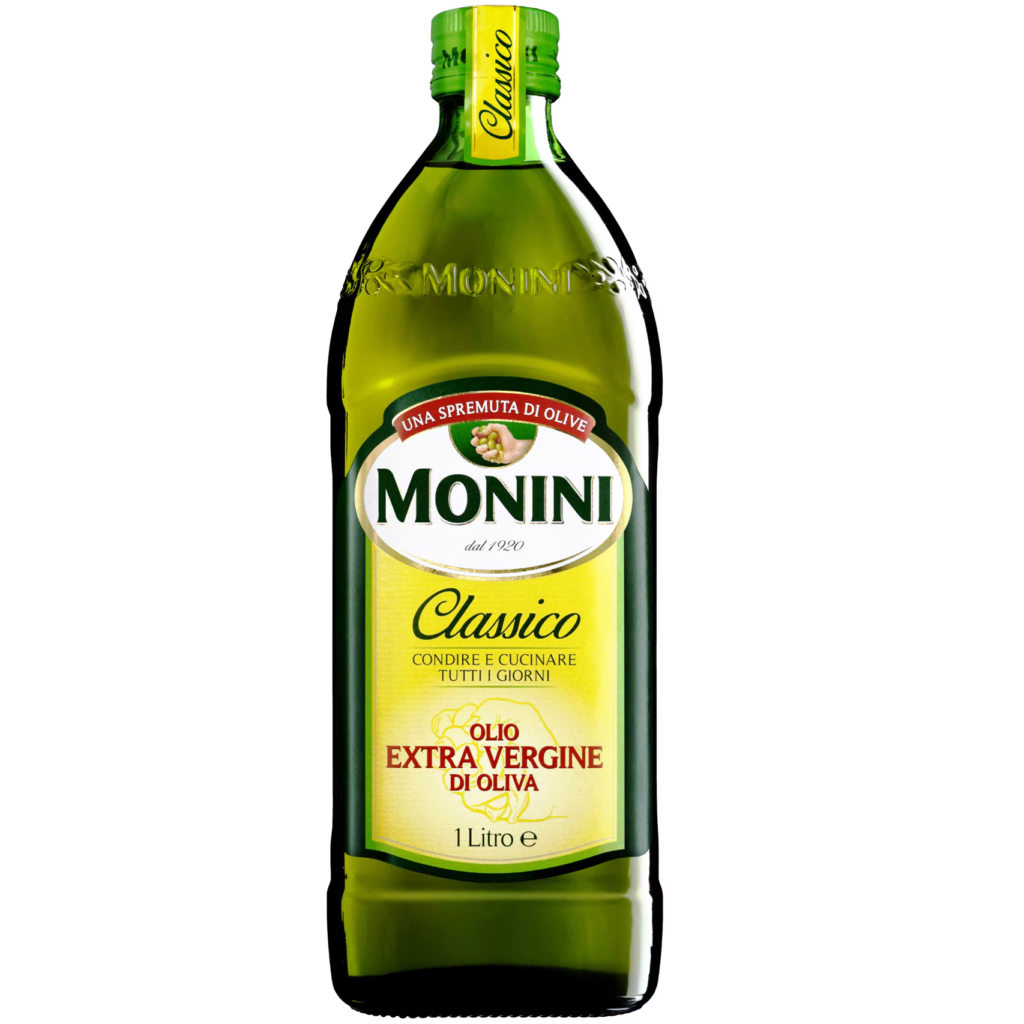
- Extra Virgin Olive Oil: Just like many Italians, you will find that the quality cold-pressed olive oil is a staple ingredient. The Hungarians love to cook with seed oils or lard. For a quality oil, you need to spend a lot, for brands like Monini, that 500 ml bottle can cost up to 13€ (4 624 ft), so instead find some good quality olive oil in markets.
- Seafood: If you live in Italy you cannot forget how much you miss fish. Hungary is also not accessible by sea beacause it’s landlocked. While you can get frozen fish or farmed salmon, you might struggle to source quality fresh seafood for your spaghetti allo scoglio dish.
- Italian Bread: Forget about getting crusty and unsalted bread; the local variety is heavier and usually packed with seeds or rye flour, you can still have good options for baked goods, since penny and lidl have the same products across all chains.
- Italian Cold Cuts: They are really difficult to find, and even if you can source them they can be really expensive, so opt for hungarian cold cuts that are pretty affordable, and taste pretty much the same.
How to Source quality products
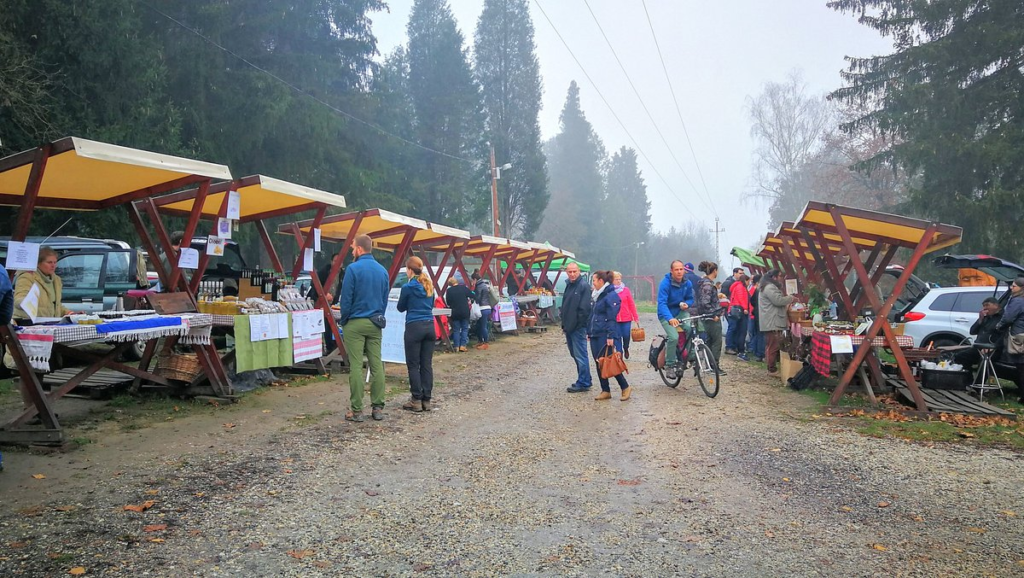
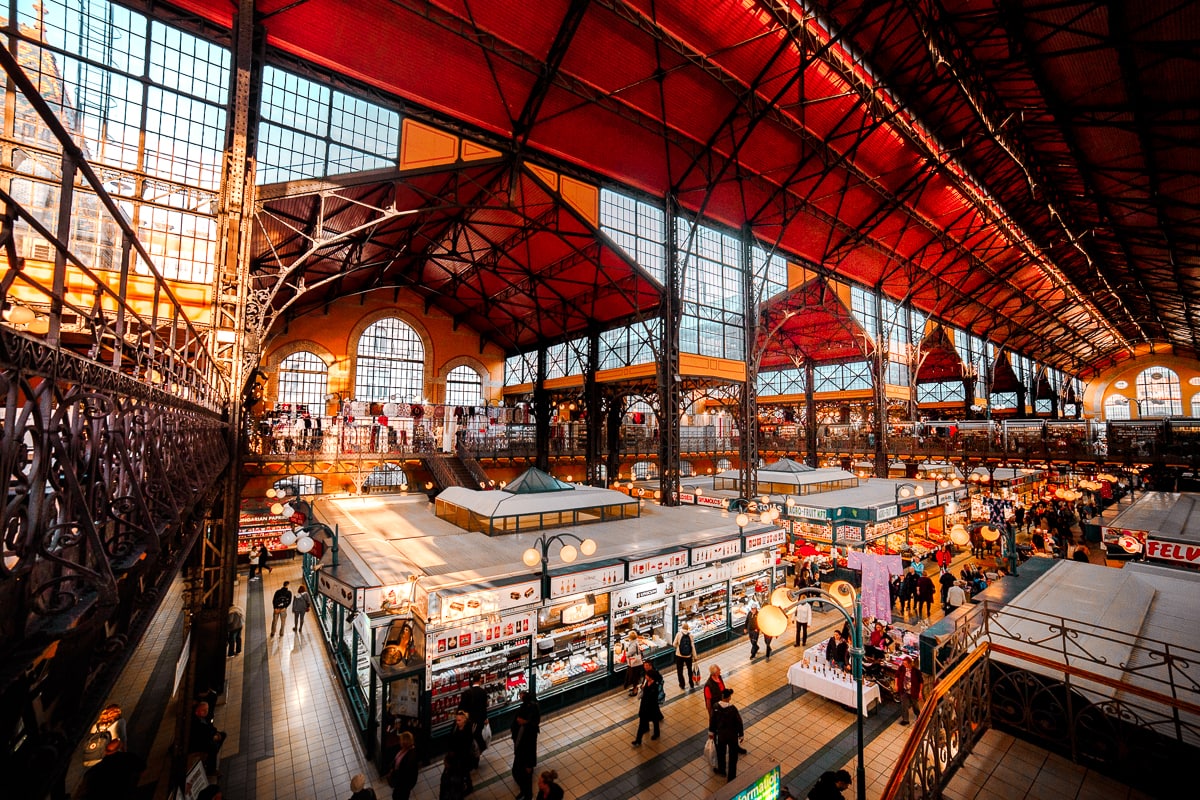
To properly source quality products, like cheeses, olive oil, maybe even honey, or quality meats & cold cuts, you can access to local markets, that often, can have artisanal products from across europe, that can may vary in price, certain products can be expensive like fruits and vegetables (so i raccomend to get your hands them in the supermarket like aldi or interspar), but you can get other products with a good price and really good quality, they may gonna cost a little bit more, but is defently more worth it than going to a fake italian resturant to get fake carbonara or pizza.
Markets in Budapest:
- Central Market Hall (Budapest, Vámház krt. 1-3, 1093)
- Lehel Market Hall (Budapest, Váci út 9-15, 1134)
- Rákóczi Square Market Hall (Budapest, Rákóczi tér 7-9, 1084)
- Fény Street Market (Budapest, Lövőház u. 12, 1024)
- Szimpla Sunday Farmers’ Market (Budapest, Kazinczy u. 14, 1075)
- Pancs-Gasztroplacc (Budapest, Tűzoltó u. 22, 1094)
- Pécsi Vásárcsarnok (Pécs, Bajcsy-Zsilinszky u. 25, 7622) Keszthely Market (Keszthely, Piac tér, 8360)
- Őriszentpéter Local Producers’ Market (Őriszentpéter, Városszer 55, 9941)
Quick Tomato Bruschetta (Bruschetta al Pomodoro)
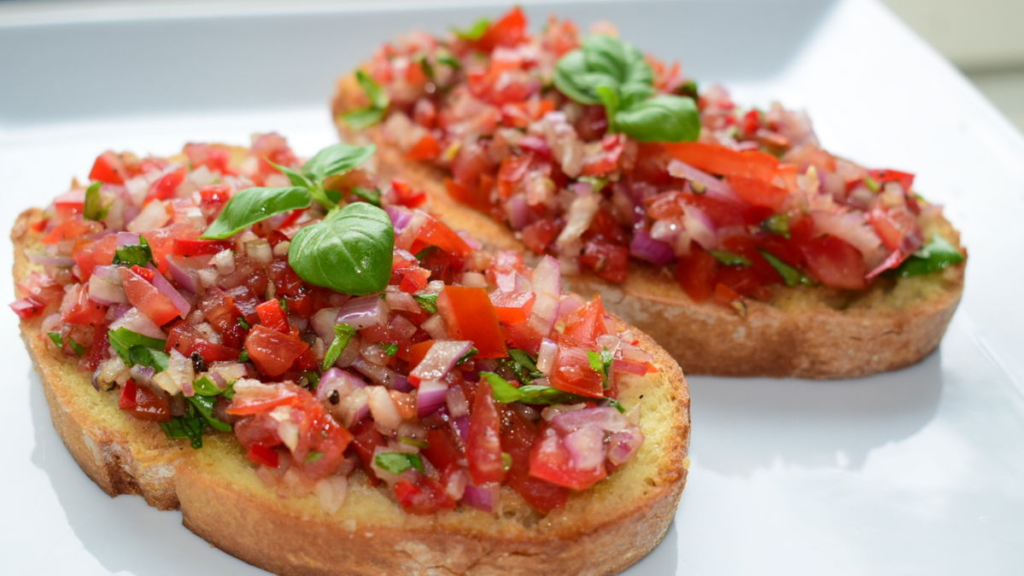
When you miss the taste of a summer appetizer, you can make this work even with Hungarian bakery bread.
Ingredients:
- Slices of Hungarian sourdough bread ( kovászos kyényér )
- 2 ripe tomatoes
- 1 garlic clove
- Extra virgin olive oil
- Fresh basil ( basil – sold in small pots in Spar/Lidl)
- Salt and oregano
Preparation:
- Dice the tomatoes and mix them in a bowl with a pinch of salt, oregano, torn basil leaves, and a generous drizzle of your best olive oil. Let it rest for 10 minutes.
- Toast the slices of bread in the oven or a toaster.
- While the bread is still hot, gently rub the raw garlic clove over the surface.
- Top the bread with the tomato mixture and enjoy a quick taste of Italy.
Mushroom Risotto (Risotto ai Funghi)
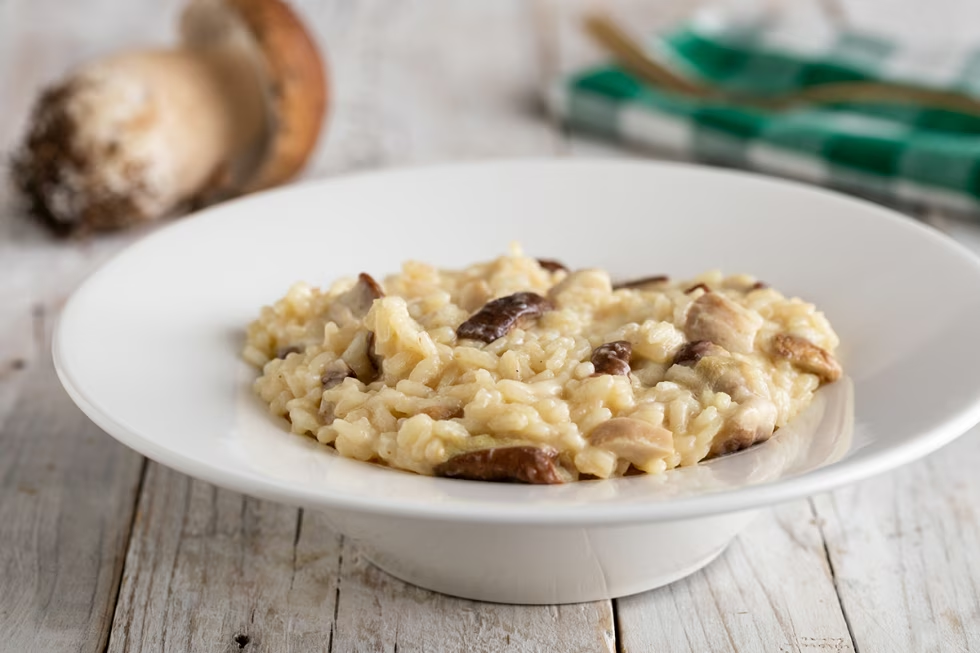
Ingredients:
- 200 g Arborio or round rice ( round rice – often found in Spar)
- 200 g fresh mushrooms ( champignons or wild mushrooms if available)
- 1/2 onion
- 1 vegetable bouillon cube
- Butter and Parmigiano /Grana
- A splash of white wine
Preparation:
- Slice the mushrooms and sauté them in a pan with a little butter and garlic. Set aside.
- In a wide pot, sauté finely chopped onion in butter until translucent.
- Add the rice and toast it for 2 minutes. Pour in the white wine and let it evaporate.
- Slowly add hot vegetable broth one ladle at a time, stirring constantly until the rice absorbs it.
- Halfway through, add the mushrooms.
- When the rice is cooked al dente , turn off the heat, add a knob of cold butter and grated cheese, and stir vigorously ( mantecatura ).
Pasta al Tonno (Pasta with Tuna)
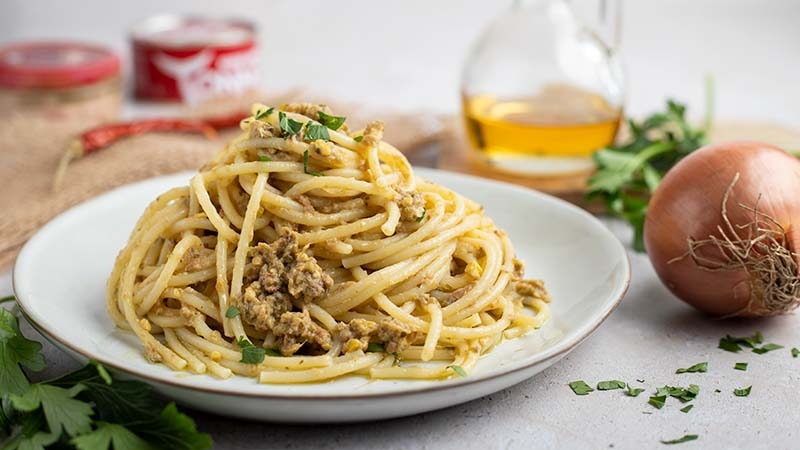
Ingredients:
- 200 g Spaghetti
- 1 can of tuna in olive oil (Tonhal olívaolajban – look for Despar or Rio Mare)
- 1 tablespoon of capers (kapribogyó)
- A handful of black olives (fekete olajbogyò)
- 1 garlic clove
- Extra virgin olive oil and fresh parsley (petrezselyem)
Preparation:
- Put the pasta water on to boil.
- In a pan, gently warm a generous splash of olive oil and fry the whole garlic clove along with the capers and chopped olives.
- Drain the canned tuna slightly, add it to the pan, and break it up gently with a fork. Let it warm through for just 2 minutes on low heat, then remove the garlic clove.
- Drain the spaghetti very al dente, drop them directly into the tuna pan, and toss vigorously with a splash of the starchy cooking water.
- Top with plenty of finely chopped fresh local parsley for that clean, coastal finish.
Tiramisù
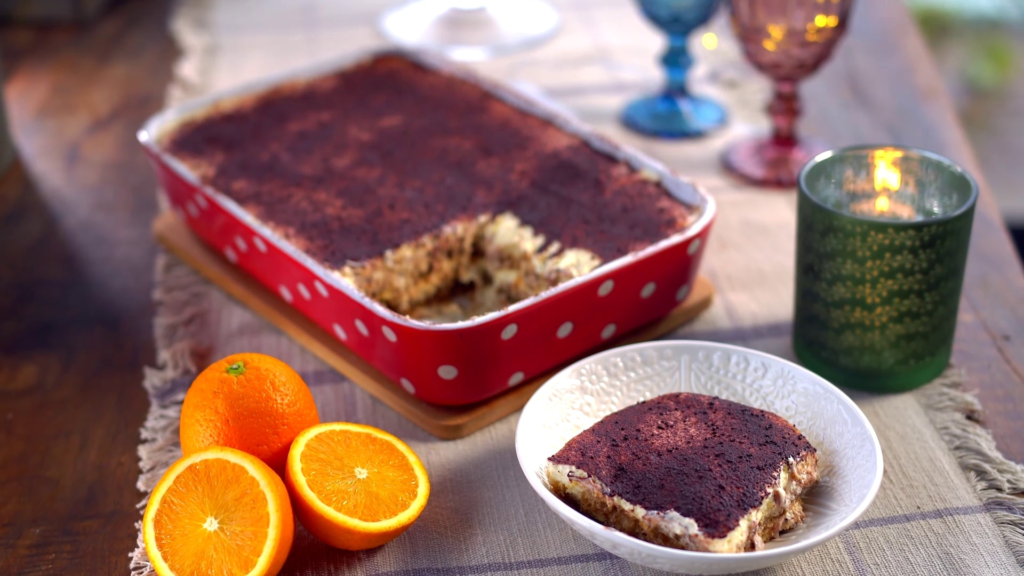
Ingredients:
- 500 g Mascarpone (sold under the exact same name everywhere, Lidl’s Lovilio brand is perfect and cheap)
- 1 pack of Ladyfinger biscuits (Look for Babapiskóta, they are exactly the same as Italian Savoiardi and cost very little)
- 4 fresh eggs (tojás)
- 4 tablespoons of sugar (cukor)
- A large moka pot of strong coffee (brewed with filtered water! Preferebly using the Italian one)
- Cocoa powder (kakaópor, make sure to buy the unsweetened “holland kakaópor”)
Preparation:
- Separate the egg yolks from the whites.
- Whip the egg whites to stiff peaks and set them aside.
- In a separate bowl, beat the yolks with the sugar until pale and fluffy, then gently mix in the mascarpone until smooth.
- Fold the whipped egg whites slowly into the mascarpone cream using a spatula, moving from bottom to top so it stays airy.
- Quickly dip the babapiskóta (biscuits) into the cooled coffee (don’t let them get too soggy!) and line the bottom of your dish.
- Spread a layer of cream, repeat with another layer of biscuits, and top with the remaining cream.
- Refrigerate for at least 4 hours. Dust generously with the unsweetened cocoa powder right before serving.
Lasagna
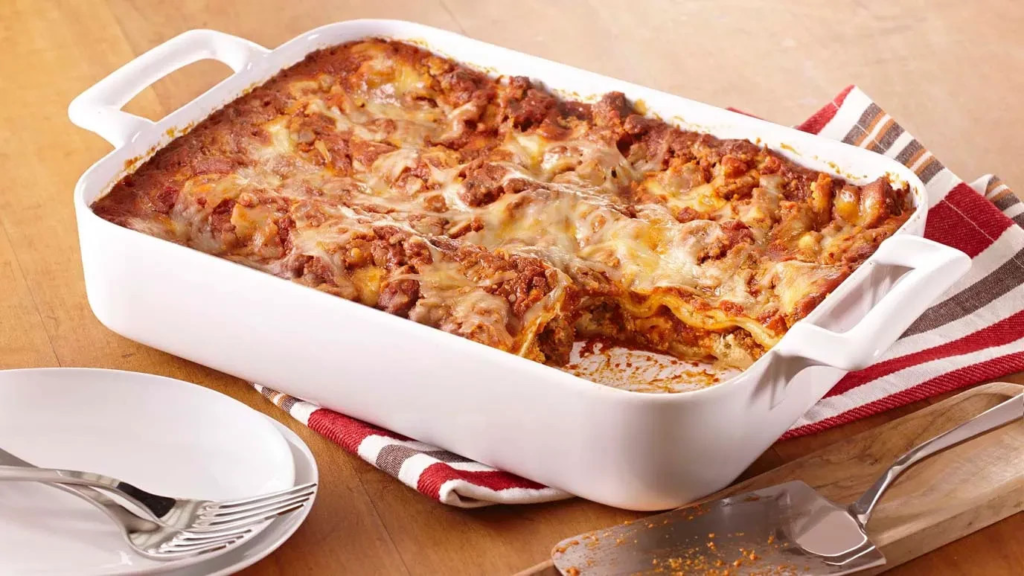
Ingredients (4–5 servings):
- 1 pack of Lasagna sheets (Lasagne tészta, pick the Despar or Barilla brand at Spar)
- 500 g Mixed minced meat (Darált vegyeshús, look for the 50% beef / 50% pork mix in Lidl or Spar)
- 2 cartons of tomato passata (Despar)
- 1 onion, 1 carrot, 1 celery stick (zellerszár – if you can find it, otherwise just stick to onion and carrot)
- For the Béchamel: 1 liter of whole milk (zsíros tej), 100 g butter (vaj), 100 g flour (búzafinomliszt), nutmeg (szerecsendió), and salt.
- 2 packs of cheap German or Italian mozzarella (shredded or squeezed dry)
Preparation:
- The Ragù: Finely chop the onion and carrot. Sauté them in oil, add the darált vegyeshús, and brown it thoroughly. Pour in a splash of red or white wine if you have it. Add the tomato passata, cover, and let it simmer on low heat for at least 1.5 to 2 hours.
- The Béchamel: Melt the butter in a pot, stir in the flour to form a paste (roux), then slowly whisk in the warm milk to avoid lumps. Cook on medium heat until thick, then season with salt and plenty of nutmeg.
- Assembly: Layer ragù, béchamel, lasagna sheets, and shredded mozzarella in a baking dish. Repeat until you reach the top.
- Bake at 180°C for about 30–40 minutes until a golden, bubbling crust forms. Let it rest for 10 minutes before cutting into it to avoid a structural collapse!
Comments are closed.