
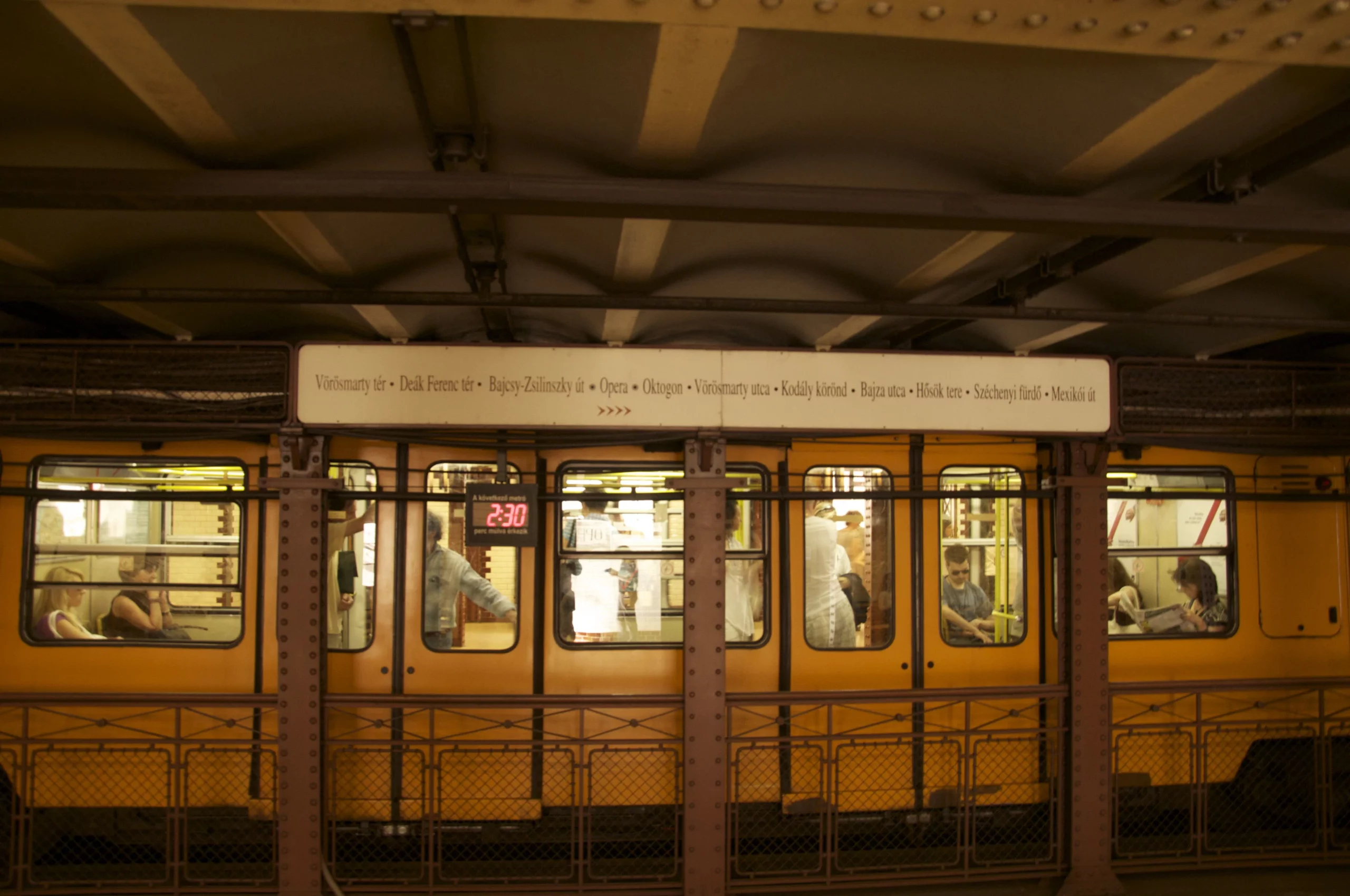
When you move from a tight-knit Italian town like Jesi to a sweeping European capital like Budapest, the shift in lifestyle hits you fast. But it’s not just the language or the architecture that changes your daily routine—it’s how you move. In Jesi, the private car is the most used way of transport; without a steering wheel, you are practically stranded. In Budapest, however, owning a car is almost an inconvenience. Here, the city doesn’t belong to the automobile, but to an interconnected web of punctual trams and buses that seamlessly tie the metropolis together.
The Scale of Infrastructure: Why Size Dictates the Strategy
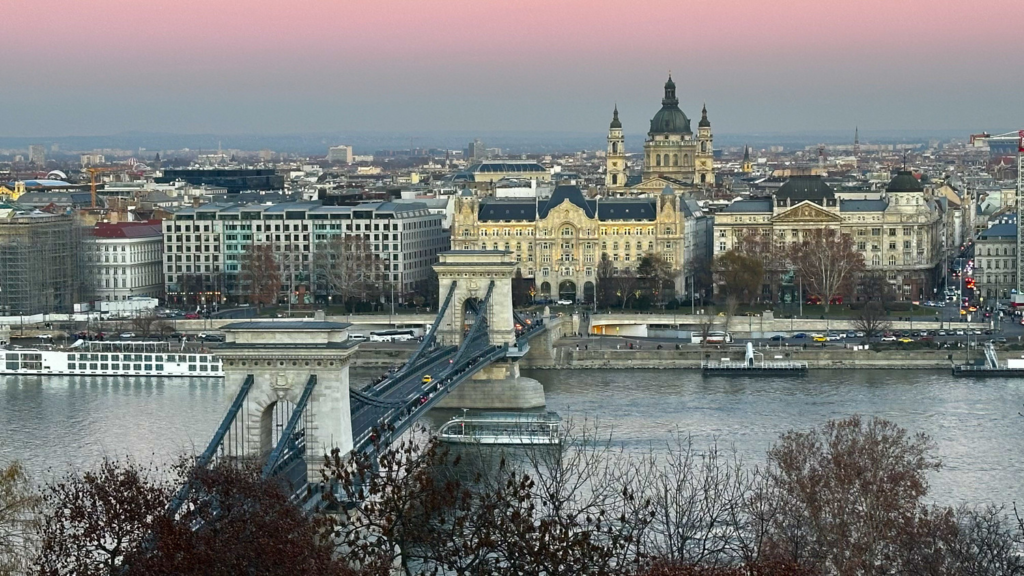
The root of this massive divergence in transportation habits comes down to the sheer geographic and demographic scale of each location.Jesi is a compact historical town in Italy’s Marche region, that has roughly 40,000 inhabitants. Because the distance from the medieval historic centre to the newer residential districts or the industrial zone is relatively short, so it has no need for high capacity means of transport. Budapest, by comparison, is a branched out Central European metropolis divided by the Danube River, housing nearly 1.8 million people. To keep a city of this dimension functioning without total gridlock, individual vehicle reliance has to be minimized. The capital’s urban planning encourages a collective approach to movement, creating an incredibly dense, multi-layered grid that is physically impossible and not useful to replicate in a small provincial town.
Limitations of Public Transport in Provincial Italy
To be able to fully understand how deeply embedded the concept of car ownership is within cities such as Jesi, it is important to examine how limited public transit options can be in this region of Italy.
Limited Vehicles and Ultra-Customized Routes
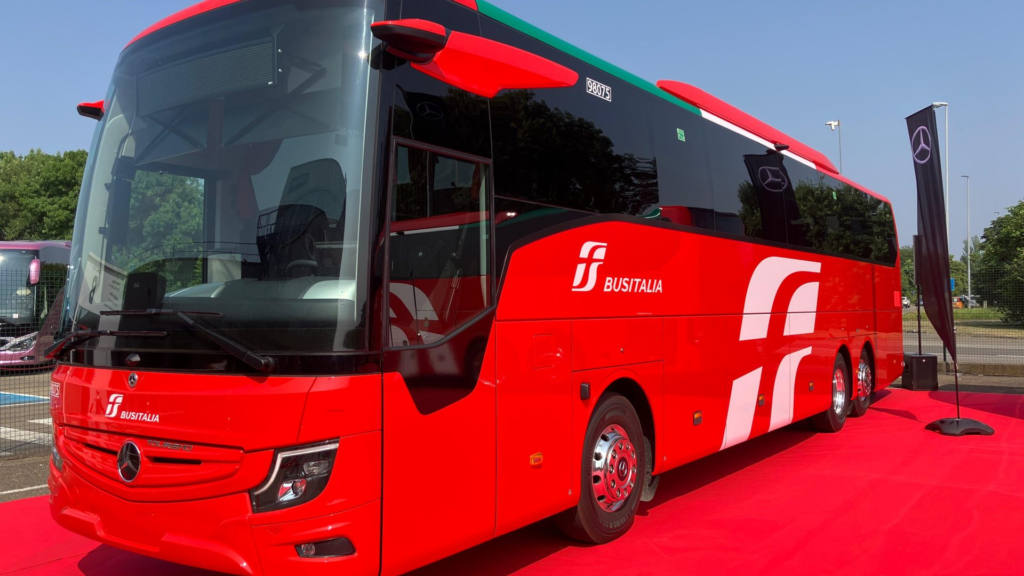
Public transportation in the city of Jesi has very limited and ultra-customized routes, where there is no constant rotating cycle of buses throughout the whole day. Instead, they have specific times that cater to a particular demand at a certain point in time. Should you miss your chance, or should you want to travel at non-peak hours, you would end up walking because the public transit system cannot accommodate you at the required time.
Inadequacy of Timetable and Minor Scheduling Delays
While there is already a shortage in terms of the amount of bus services provided, delays in the timetable and scheduling of these buses continue to be major points of concern for many locals. Local buses in Italy frequently run late due to traffic congestion or roadblocks caused by narrow streets. This means that with once or twice hourly buses, even a slight delay can ruin the rest of your plans.
Budapest: Smooth Traveling and Complete Connection
Cross the border to Hungary’s capital, and everything about traveling changes. Operated by BKK (Budapesti Közlekedési Központ), Budapest has one of the strongest public transport systems in Europe.
Moving Everywhere Uninterruptedly
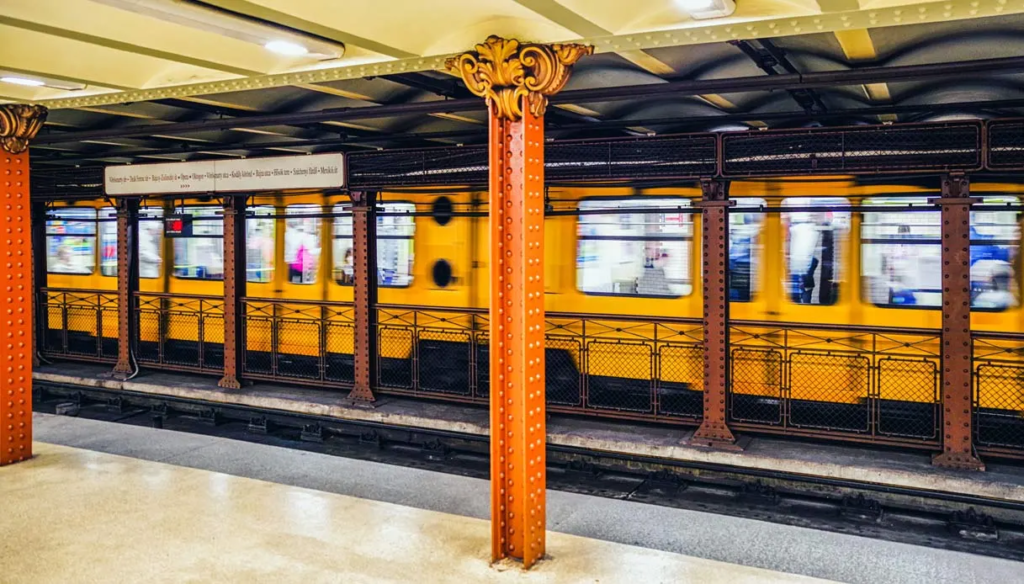
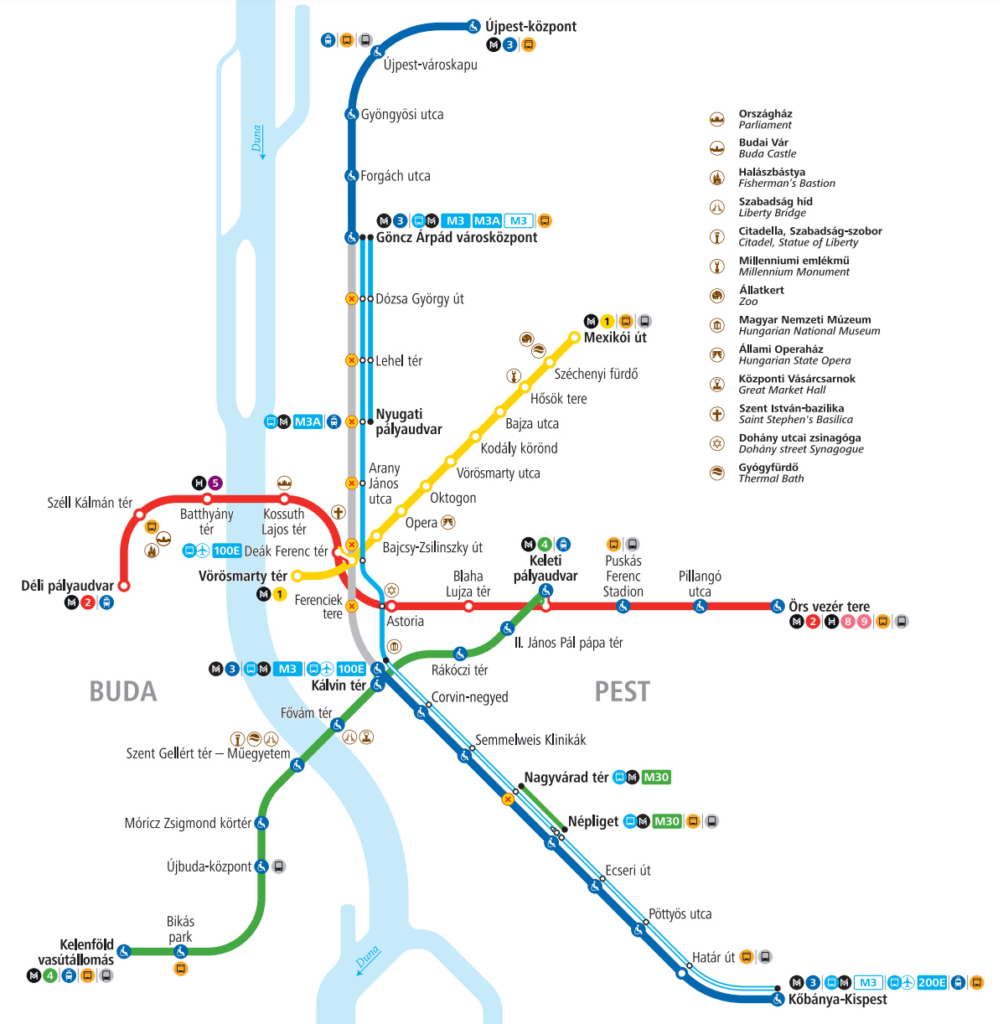
What sets the system apart is its seamless way of reaching out to everyone. Whether one has to go through the central business districts of Pest, down the hilly regions of Buda, or outside to the most remote industrial areas, one will find an adequate mode of transportation there. Everything is so well-connected that getting to a transit point—be it a bus stop, a trolley post, or a tram stop—takes hardly more than three to five minutes’ walking distance from anywhere. With such a system in place, you can board a vehicle without any fear about not being able to go wherever in the city you want to go.
Punctuality Right Down to the Minute
In contrast to the inconsistent schedules that puzzle passengers in smaller cities, the Budapest system runs like clockwork. In times of peak demand, buses/trams come with very high frequency and on interval schedules—typically every 2-4 minutes. Notably, much money has been spent by the city on the development of digital technology. At each important stop, there is an electronic board displaying countdowns to the next bus coming with precise time intervals, while the BKK Futár mobile application helps in planning your transfer to the minute.
Comments are closed.