Tag

Music

Browsing

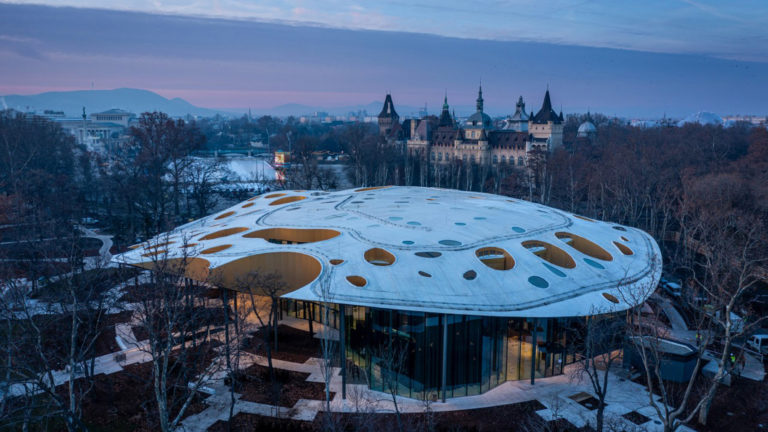
Imagine wandering through the dense, leafy trails of Budapest’s City Park (Városliget) and suddenly stumbling upon what looks like a giant, golden mushroom floating among the trees. This is the House of Music Hungary (Magyar Zene Háza). Since opening its doors in early 2022, this spectacular, undulating structure has completely redefined the city’s architectural landscape. It doesn’t just house music, the building itself is designed to feel like a visual symphony, thanks to his beautiful structure. Here is everything you need to know about how this beautiful structure was conceptualized, engineered, and what awaits you inside. The Vision and History For decades, the plot of land where the House of Music now sits was a dead zone, occupied by a cluster of abandoned, dilapidated Hungexpo office buildings. In 2014, as part of the massive Liget Budapest Project (the same initiative that built the nearby Museum of Ethnography), the city launched…

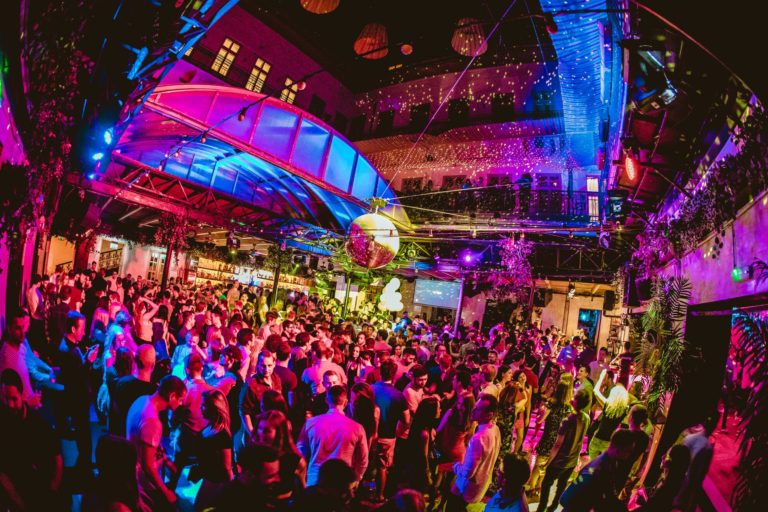
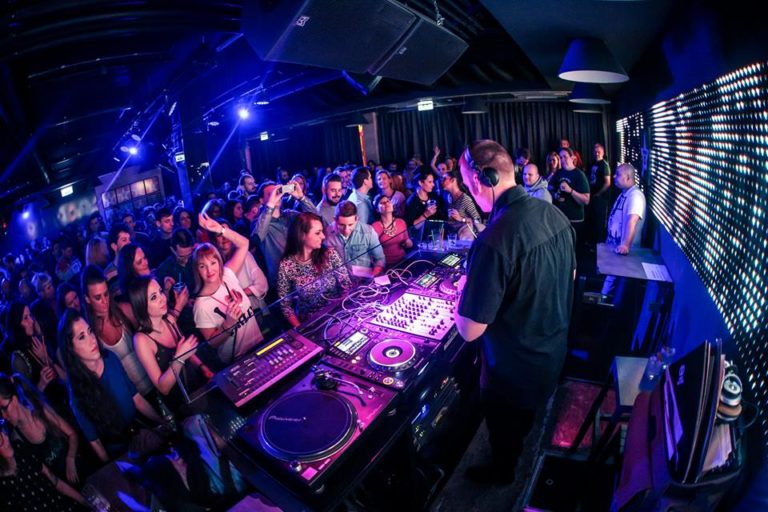
Budapest is not only noted for its stunning architecture and rich history on the banks of the Danube, but also for a music scene that, far from being anecdotal, has become one of the city’s most dynamic cultural engines. Among the ruins of abandoned factories, the hidden cellars of Pest and the clubs floating on the river, electronic music is thriving, shaping a sonic identity of its own. In 2025, Budapest’s electronic scene continues to grow with surprising vitality. Driven by a unique blend of local innovation, openness to global influences and a strong community spirit, the city has established itself as a creative hotbed for independent DJs, producers and collectives pushing the boundaries of the genre. While perhaps not as internationally renowned as other electronic capitals such as Berlin or Barcelona, Budapest offers something different: a combination of rawness, excitement and authenticity that appeals to both curious music lovers…

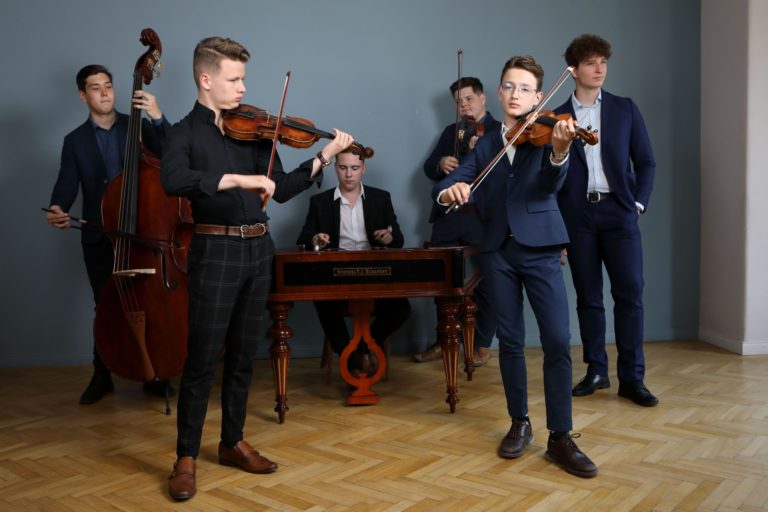
Budapest is a cultural epicentre where folk music resonates as an echo of the past. This tradition, deeply rooted in the national identity, has evolved along with society, adapting to historical changes while preserving its unique essence. Below, we explore traditional instruments, musical styles, venues for live performances, representative artists and groups, the history and evolution of Hungarian folklore, and its influence on contemporary music. Traditional Instruments and Musical Styles Hungarian folk music is distinguished by its diversity of instruments, each with a specific role in creating its characteristic sound. Among the most emblematic are: These instruments give life to distinctive musical styles. The verbunkos, originating in the 18th century as a military conscription dance, combines slow and fast sections, reflecting the contrasting Hungarian character. The csárdás, another popular dance, alternates slow (lassú) and fast (friss) rhythms, creating a dynamic experience. Both styles use pentatonic scales and dactylic rhythms, unique…