Category

Useful information

Category

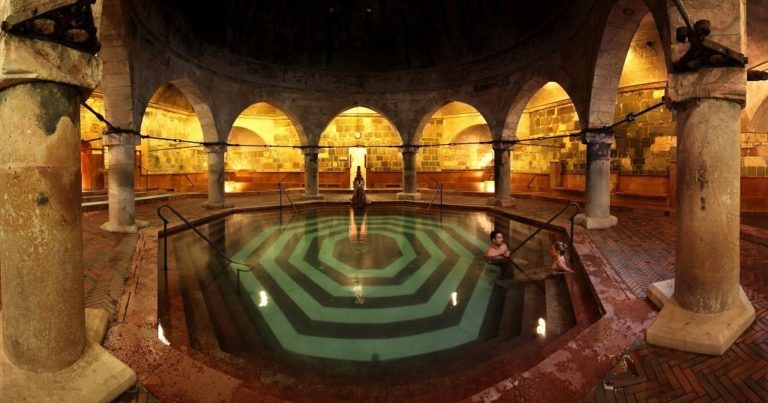
Budapest isn’t crowned the “City of Baths” simply because it boasts over 100 natural springs. Beneath the rising steam and grand architectural domes lies a millennia-old narrative, stretching from the Roman legions of Aquincum, to the beautiful Ottoman baths The Roman Foundations: Aquincum and the Birth of Bath Culture The history of the Budapest thermal baths dates back almost 2,000 years to the times of Rome. When the Roman Empire founded the town of Aquincum in what today is known as Óbuda (Part of Budapest), their selection of the site was primarily influenced by its rich sources of geothermal springs on the Danube fault line. For the ancient Romans, taking baths was an essential part of their routine, cleaning habits, and recovery after wars. Numerous archaeological digs have revealed a total of 14 different baths in this region. The biggest one, called the Thermae Maiores, was a huge military bathhouse…
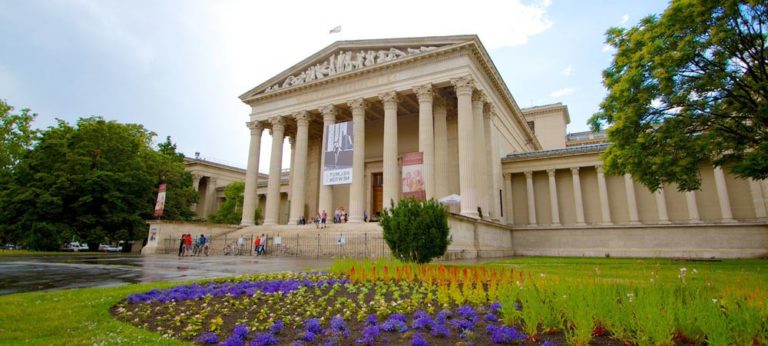
The Budapest Museum of Fine Arts (Szépművészeti Múzeum) is a cultural gem located in the iconic Heroes’ Square in the heart of the Hungarian capital. Founded in the early 20th century, this museum houses an extensive collection of more than 100,000 works spanning a broad spectrum of time, from Ancient Egyptian artefacts and classical sculptures to European paintings up to the 20th century. Thanks to the diversity and quality of its collection, it has established itself as one of the most important museums in Central Europe. The neoclassical building stands out both for its façade and its spacious interior rooms, which offer a quiet and well-organised environment in which to enjoy art in peace and quiet. Over the years, the museum has been able to adapt to the times, renovating its spaces and expanding its exhibition offer with temporary exhibitions that complement its permanent collection. Whether for academic interest, cultural…

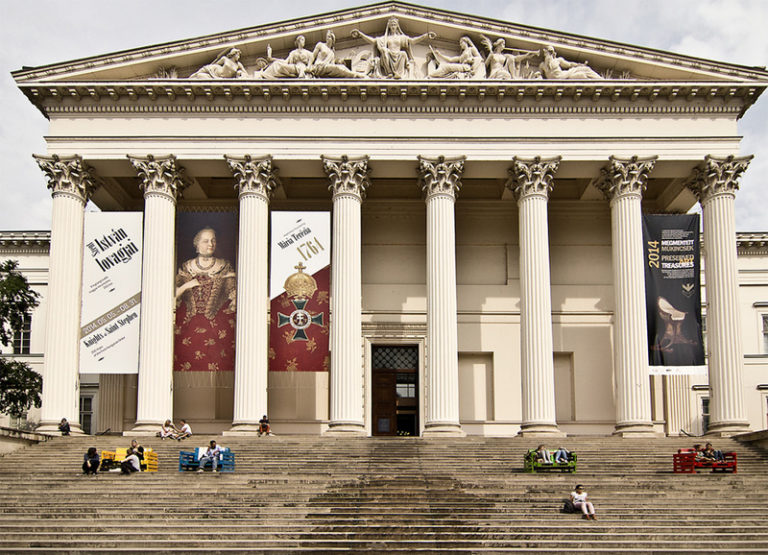
The Hungarian National Museum, or Magyar Nemzeti Múzeum, stands as a key institution in the heart of Budapest, acting as the main repository of Hungarian history, art and archaeology. Its mission encompasses the presentation of the rich and complex history of Hungary and the Carpathian Basin from prehistoric times to the present day. Housed in an impressive neoclassical building, the museum not only houses a vast collection of artefacts, but also serves as a symbol of Hungarian national identity. The purpose of this article is to offer a detailed overview of this important museum, providing practical information for visitors and highlighting its profound cultural and historical significance. Practical Information for Visitors For those planning to explore the treasures housed in the Hungarian National Museum, practical information is essential to facilitate the visit. The exact address of the museum is Múzeum körút 14-16, 1088 Budapest, Hungary. Its central location in Budapest…

In Hungary, the act of drinking goes beyond the simple ingestion of alcohol: it is an expression of identity, a vehicle of hospitality and a tradition deeply rooted in everyday life. From family celebrations to informal conversations among friends, there is always a toast to be made and a story to be told. Traditional Hungarian spirits reflect centuries of history, terroir and creativity, and are an integral part of the country’s character. This liquid tour invites you to discover some of the most representative jewels of Hungarian culture: distillates with character, spirits with soul and wines with legend. More than a guide to what to drink, it is an invitation to understand how and why people drink in Hungary. Pálinka: The Distilled Fruity Essence of Hungary Pálinka occupies a place of honour at the heart of Hungarian culture and gastronomy, being considered a ‘Hungarikum’, a unique product of the country.…

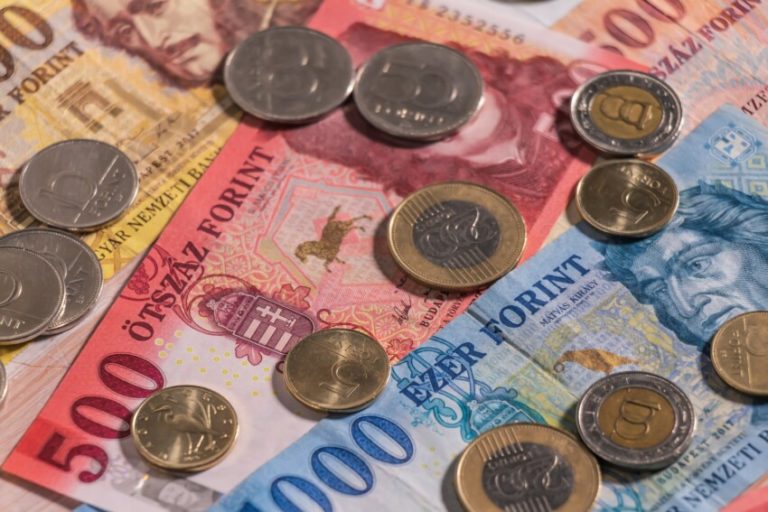
The history of Budapest, as the heart of Hungary, is intrinsically linked to the evolution of its currency. Since medieval times, the region we know today as Budapest has been a centre of power and economic activity, which naturally made it a focal point for the minting of coins and the development of monetary systems in the country. Historical records mention the existence of forints minted under the reigns of Louis I of Hungary (1342-1382) and Matthias Corvinus (1458-1490), figures whose courts and governments had a significant influence in shaping modern Hungary, with Buda as a major centre. The Hungarian monetary system underwent a radical transformation after World War II. The massive hyperinflation of the pengő in 1945-46, considered the highest ever recorded, devastated the country’s economy. In response to this crisis, the Hungarian forint was introduced on 1 August 1946 as a crucial measure to stabilise the economy. The…

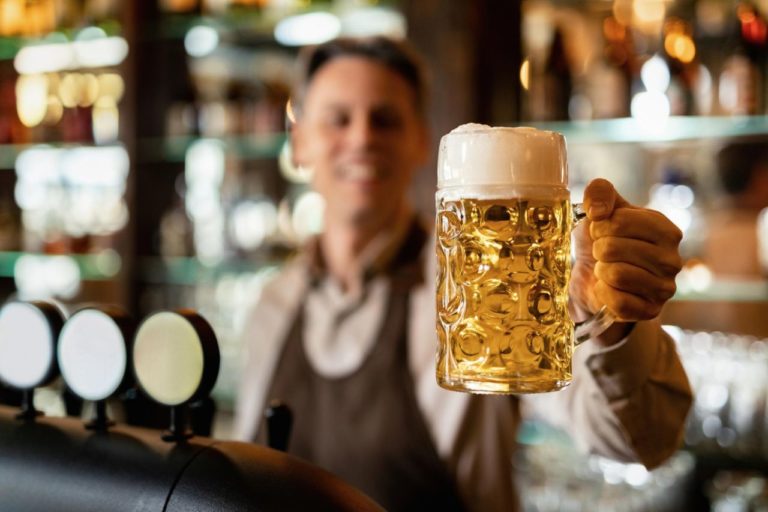
When you walk through the bars and supermarkets of Budapest, it is easy to think that the main Hungarian beers have always been competing on the same ground. However, behind brands such as Dreher, Borsodi, Arany Ászok or Szalon Sör there is a history marked by tradition, innovation… and politically imposed divisions. Hungarian brewing has centuries-old roots, with a remarkable evolution from medieval home brews and monastic beers to the industrial boom of the 19th century, especially in the Kőbánya district of Budapest, considered the country’s brewing heartland. However, after World War II and during the communist era, the state restructured the beer market, assigning each brewery a specific geographical region, limiting competition and shaping local identities: Borsodi in the east, Soproni in the west, Dreher and Arany Ászok in the capital, and Szalon from Pécs in the southwest. This organisation left a lasting impression on the palate and consumer…

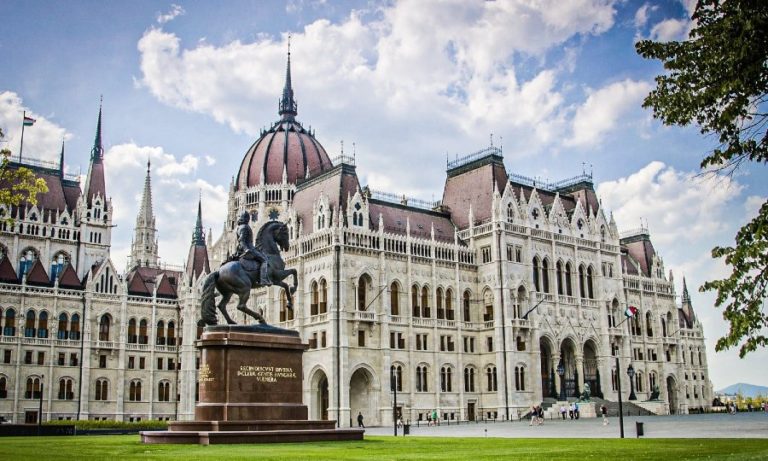
While Budapest is often admired as a whole, its eastern side, Pest, has a unique charm that sets it apart. This vibrant district is where history, culture, and modern life intertwine, offering visitors everything from grand architectural landmarks to quirky museums, lively squares, and atmospheric cafés. Whether you’re drawn to the magnificent Parliament Building, the soothing Széchenyi Thermal Baths, or the bustling Central Market Hall, Pest has something for everyone. In this guide, we explore the must-visit spots that make Pest an essential part of any Budapest itinerary. History landmarks and monuments The Hungarian Parliament Rising majestically along the Danube, the Hungarian Parliament Building is a masterpiece of neo-Gothic architecture and one of Budapest’s most iconic landmarks. With its towering spires, intricate carvings, and a magnificent 96-meter dome, it stands as a symbol of Hungary’s rich history and national pride. Inside, its lavish halls gleam with gold accents, stunning frescoes,…

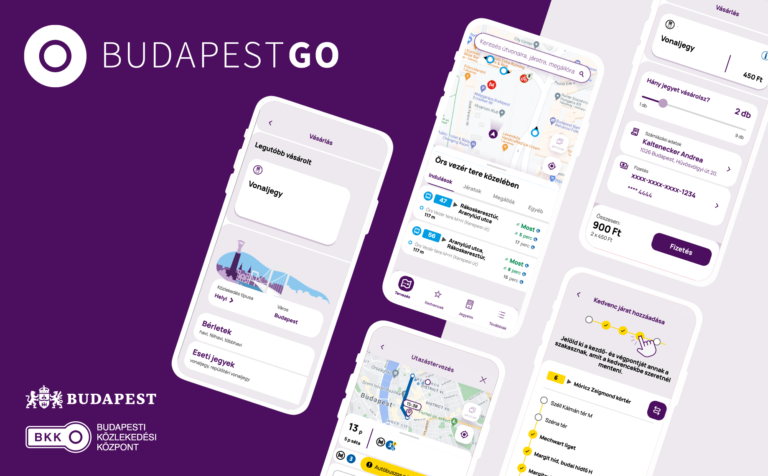
Introduction Planning a trip to Budapest? This vibrant city, known for its stunning architecture, rich history, and relaxing thermal baths, has plenty to offer. But navigating a new destination can be challenging, especially if you don’t speak the language or are unfamiliar with the local transport system. Luckily, technology is here to help! With the right apps on your phone, you can easily find the best restaurants, discover exciting events happening during your stay, and move around the city with ease, whether by metro, tram, or taxi. From must-see attractions to local hidden gems, these apps will make your Budapest adventure smooth, enjoyable, and stress-free. Let’s dive in! Budapest GO Budapest GO is the official public transport app for navigating Hungary’s capital with ease. It provides real-time departure updates for metros, trams, buses, trolleybuses, suburban trains (HÉV), and ferries. The interactive map allows users to explore stops, ticket sales points,…

Navigating through Budapest has never been easier, thanks to Budapest GO, the official app designed to help locals and tourists move around the city seamlessly. From real-time schedules and ticket purchases to route planning, the app offers a range of features aimed at simplifying travel. But is it the perfect transit companion? In this article, we’ll explore everything Budapest GO has to offer, how to use it effectively, and what features it still lacks to become a truly flawless tool for commuters. Public transports Metro (Subway) – Budapest has four metro lines (M1, M2, M3, M4), showing their routes, stations, and connections, providing fast underground connections. Trams – Popular tram lines like the scenic Tram 2 along the Danube and other key routes are marked on the map. Buses – The app covers Budapest’s urban bus network, showing regular, express, and night bus routes, along with their stops and schedules.…

Traveling with your dog can be an incredible experience for both of you. It’s a chance to create memories together while enjoying new places. Of course, the most important thing is to find spots where your canine friend can run, play, and feel comfortable. There’s nothing quite like seeing your dog happy, enjoying a good walk or a space where they can socialize with others. And, of course, it’s essential that these places are also welcoming for them, ensuring that they feel cared for and safe so that both you and your pet can fully enjoy the experience. Budapest is full of corners where both of you can have an amazing time! Budapest, the vibrant Hungarian capital, has earned a reputation for being a dog-friendly city. In fact, Budapest holds the title of being the European city with the highest ratio of dogs to humans, which shows how integrated canine…