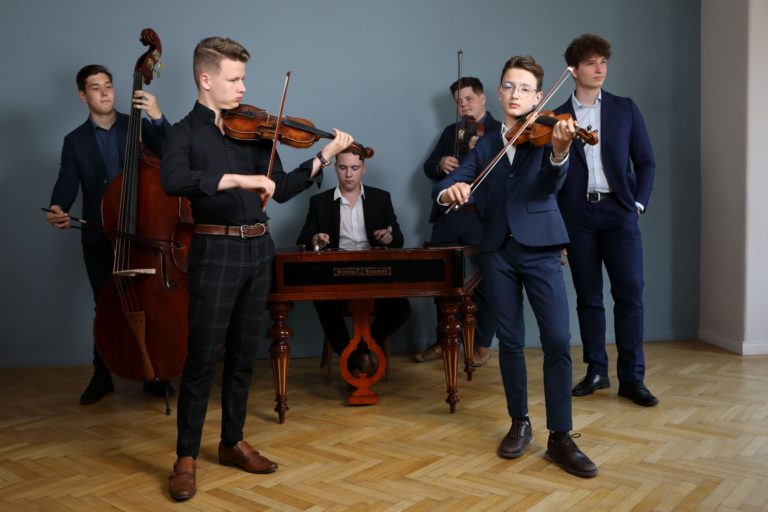
Budapest is a cultural epicentre where folk music resonates as an echo of the past. This tradition, deeply rooted in the national identity, has evolved along with society, adapting to historical changes while preserving its unique essence. Below, we explore traditional instruments, musical styles, venues for live performances, representative artists and groups, the history and evolution of Hungarian folklore, and its influence on contemporary music. Traditional Instruments and Musical Styles Hungarian folk music is distinguished by its diversity of instruments, each with a specific role in creating its characteristic sound. Among the most emblematic are: These instruments give life to distinctive musical styles. The verbunkos, originating in the 18th century as a military conscription dance, combines slow and fast sections, reflecting the contrasting Hungarian character. The csárdás, another popular dance, alternates slow (lassú) and fast (friss) rhythms, creating a dynamic experience. Both styles use pentatonic scales and dactylic rhythms, unique…
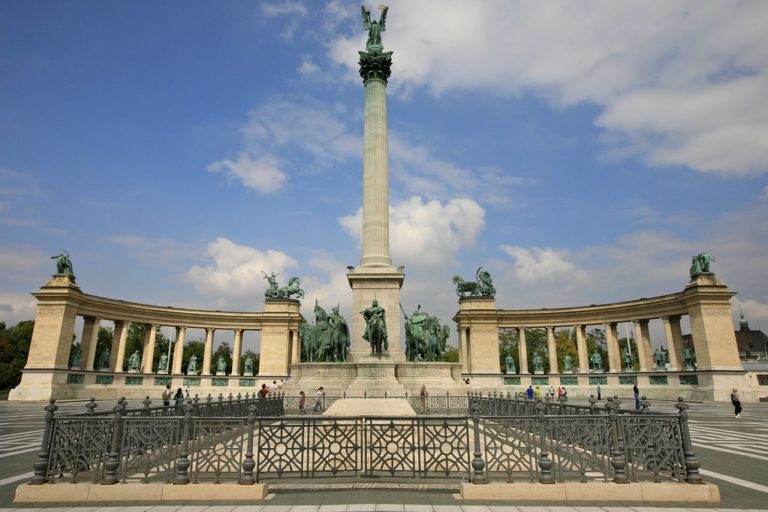
Standing at the end of Budapest’s grand Andrássy Avenue, Heroes’ Square (Hősök tere) immediately captures the imagination with its commanding statues, towering columns, and sweeping open space. As one of the most visited and photographed landmarks in the Hungarian capital, the square is more than just an architectural marvel, it is a powerful symbol of national pride and collective memory. Constructed at the turn of the 20th century, Heroes’ Square commemorates the thousand-year history of the Hungarian people, honoring both mythic founders and influential leaders who shaped the nation’s identity. With its rich historical context and cultural significance, the square remains a focal point for both reflection and celebration in modern Hungary. Historical Background Heroes’ Square (Hősök tere) was conceived as a monumental tribute to Hungary’s millennial anniversary, commemorating 1,000 years since the Magyars settled in the Carpathian Basin in 896 AD. Initiated in 1896, the project was part of…
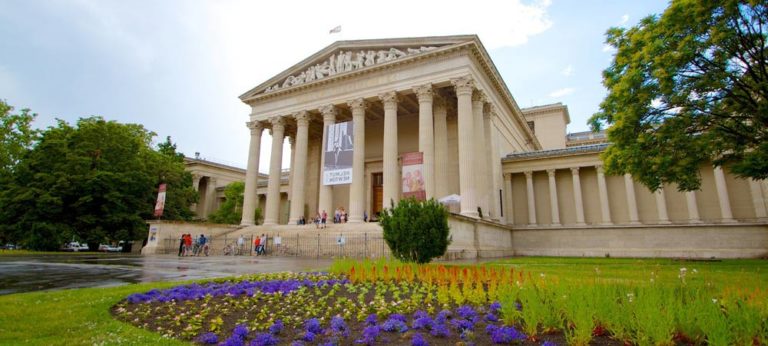
The Budapest Museum of Fine Arts (Szépművészeti Múzeum) is a cultural gem located in the iconic Heroes’ Square in the heart of the Hungarian capital. Founded in the early 20th century, this museum houses an extensive collection of more than 100,000 works spanning a broad spectrum of time, from Ancient Egyptian artefacts and classical sculptures to European paintings up to the 20th century. Thanks to the diversity and quality of its collection, it has established itself as one of the most important museums in Central Europe. The neoclassical building stands out both for its façade and its spacious interior rooms, which offer a quiet and well-organised environment in which to enjoy art in peace and quiet. Over the years, the museum has been able to adapt to the times, renovating its spaces and expanding its exhibition offer with temporary exhibitions that complement its permanent collection. Whether for academic interest, cultural…
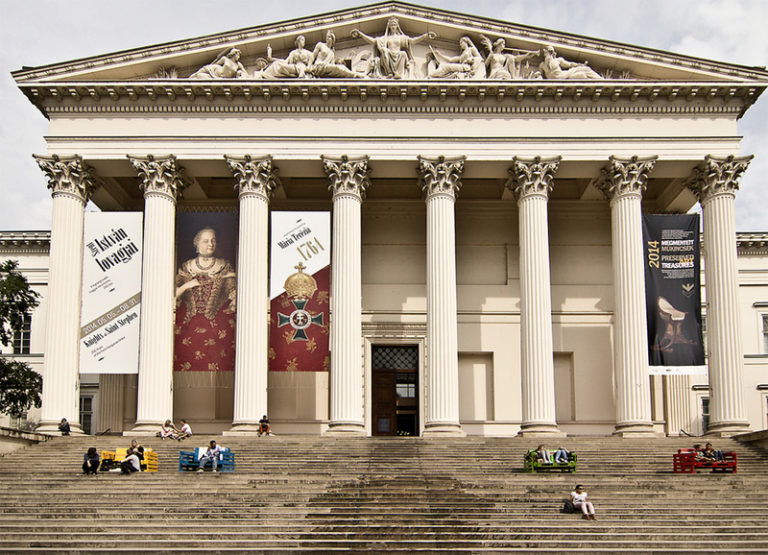
The Hungarian National Museum, or Magyar Nemzeti Múzeum, stands as a key institution in the heart of Budapest, acting as the main repository of Hungarian history, art and archaeology. Its mission encompasses the presentation of the rich and complex history of Hungary and the Carpathian Basin from prehistoric times to the present day. Housed in an impressive neoclassical building, the museum not only houses a vast collection of artefacts, but also serves as a symbol of Hungarian national identity. The purpose of this article is to offer a detailed overview of this important museum, providing practical information for visitors and highlighting its profound cultural and historical significance. Practical Information for Visitors For those planning to explore the treasures housed in the Hungarian National Museum, practical information is essential to facilitate the visit. The exact address of the museum is Múzeum körút 14-16, 1088 Budapest, Hungary. Its central location in Budapest…
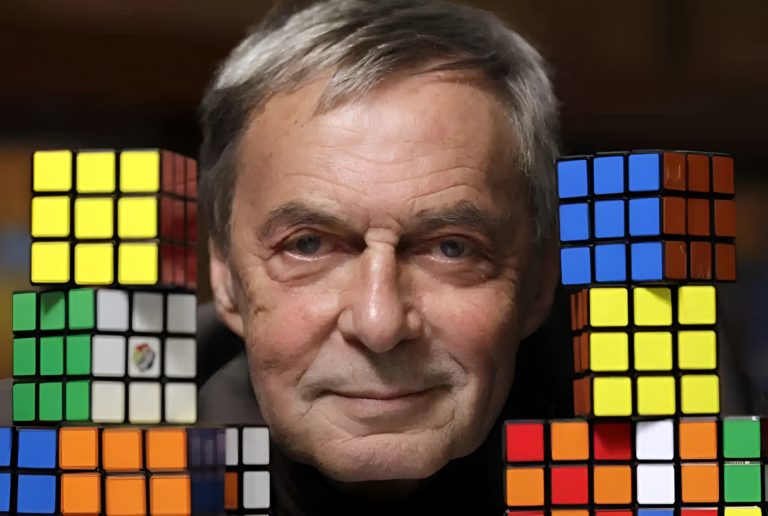
The Rubik’s Cube is much more than a toy: it is a worldwide symbol of ingenuity, logic and perseverance. Since its creation in 1974, it has captivated millions of people thanks to its contrast between a simple appearance and impressive mathematical complexity, with more than 4.3 × 10¹⁹ possible combinations. As well as entertaining, it has established itself as an educational tool that stimulates spatial reasoning, memory and problem solving, and has spawned a global community of enthusiasts who share techniques, compete and celebrate their passion for this puzzle.What many do not know is that the Rubik’s Cube has Hungarian roots: it was invented in Budapest by Ernő Rubik, a sculptor and professor of architecture, who initially called it the ‘Magic Cube’. The connection with the Hungarian capital goes beyond its origin, as Budapest also hosted the first edition of the World Rubik’s Cube Championship in 1982, cementing its role…
Among the sculptures in Memento Park is the Monument to the Hungarian Fighters of the International Brigades in Spain. This work is located in the section of the park called The endless promenade of the concepts of the workers’ movement, where it coexists with other representations of communist ideology. Its location creates a visual and conceptual dialogue about this historical period. The monument was created in 1968 by the Greek-Hungarian sculptor Makrisz Agamemnon (Memos Makris), at the height of the communist regime in Hungary. It originally stood in the centrally located Néphadsereg Square (now Honvéd Square), a highly visible place in Budapest. However, after the change of regime in 1989, it was moved in 1993 to Memento Park, as part of the initiative to gather the communist-era memorials there. This move did not involve the removal of the work, but rather its recontextualisation within Hungary’s contemporary historical narrative. The sculpture…
On the banks of the majestic Danube, near the parliament, stands a poignant and austere monument that captures the attention of those who stroll along its banks. Known as ‘Shoes on the Danube Bank’, it stands as a palpable reminder of one of the darkest chapters in Jewish history: the mass executions of Hungarian Jews during 1944 and 1945. Through its simplicity, the monument manages to convey a profound message that resonates in the collective memory, inviting reflection on the loss and brutality of that period. Origin and Creation The story behind this striking monument goes back to the vision of film director Can Togay, who worked closely with sculptor Gyula Pauer to give shape to this idea. Togay, a renowned director and writer, together with Pauer, a Kossuth Prize-winning sculptor, conceived a monument that would be both austere and eloquent. The central idea of using the shoes abandoned by…
Budapest, the Hungarian capital, is renowned for its rich history, captivating architecture, and vibrant atmosphere. But in recent years, the city has also gained another reputation: that of a paradise for street art enthusiasts. Colorful murals and graffiti now adorn the walls of buildings, neighborhoods, and main streets, telling stories, expressing emotions, and creating a unique atmosphere that blends tradition and modernity. An Open-Air Museum in Constant Evolution Street art in Budapest is not just street art; it’s a true open-air museum in constant evolution. New murals are created every day, while others are modified or erased, creating an ever-changing artistic landscape. This dynamic nature makes exploring Budapest’s street art an always new and surprising experience. A Kaleidoscope of Styles and Techniques The artists who work in Budapest come from all over the world and use a variety of styles and techniques: from photorealism to abstraction, from figurative to lettering,…
Budapest: A Feast for the Art Lover’s Eyes Budapest is a city brimming with art. From the grand halls of museums overflowing with masterpieces to the vibrant streets adorned with murals, the Hungarian capital offers a diverse and captivating experience for every art enthusiast. A Journey Through Time in Museums & Galleries The Hungarian National Gallery, nestled within the Buda Castle walls, takes you on a historical voyage through Hungarian art. Trace the evolution of artistic expression over centuries, encountering everything from medieval sculptures with their captivating details to modern masterpieces that push the boundaries of form. Get ready to be surprised by the depth and variety of Hungarian art housed within these historic walls. For a broader artistic perspective, head to the Museum of Fine Arts. Here, you’ll find an impressive collection of international treasures that spans artistic movements and continents. Marvel at works by Spanish masters like Goya,…
Budapest, the stunning capital of Hungary, is known for its rich history, breathtaking architecture, and unique culinary delights. However, there’s a new tourist spot that’s sweetening the experience even further: the Museum of Sweets and Selfies. Situated in the heart of the city, this quirky museum combines a love for confectionery with the modern obsession with selfies, creating a truly unique and memorable experience for all who visit.Upon entering the Museum of Sweets and Selfies, visitors are immediately transported into a world of vibrant colors and tempting aromas. The museum offers a captivating journey through the history of confectionery, from ancient secrets of sweet-making to modern techniques in crafting chocolates and treats.Interactive exhibits allow visitors to get up close and personal with the art of candy-making, from creating delicious lollipops to decorating elaborate cupcakes. There are also live demonstrations where master confectioners share their secrets and skills with the audience,…