Budapest, the Pearl of the Danube, is a city that pulses with rich history and vibrant culture, where the majestic river winds its way between grand monuments and picturesque streets. Beyond its architectural splendor and historical legacy, Budapest is also steeped in a fascinating tapestry of legends and folklore passed down through generations. These stories, often blending historical events with elements of popular imagination, not only serve as entertainment but also offer deep insights into the values, beliefs, and fears of Hungarian society over time. The Tongueless Lions of the Chain Bridge Among the many architectural marvels of Budapest, the Széchenyi Chain Bridge stands as one of the city’s most iconic landmarks. Opened in 1849, it was the first permanent bridge to connect Buda and Pest across the Danube River. While its historic and symbolic significance is well known, the bridge is also wrapped in a peculiar urban legend involving…
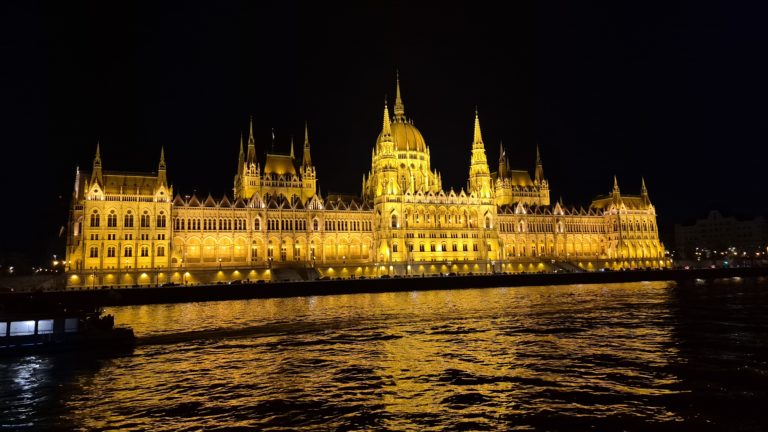
The Budapest Parliament stands as one of the most iconic and photographed buildings in the Hungarian capital. Its distinctive profile, with its spires soaring skyward and its imposing presence on the banks of the Danube, has made it a globally recognised landmark. Standing majestically on the banks of the river running through the city, it dominates the cityscape and attracts visitors from all corners of the globe. Its strategic location not only offers spectacular panoramic views, but also makes it a visual focal point accessible from many parts of the city. More than just a government building, the Budapest Parliament is a living symbol of Hungary’s rich history, deep national identity and constant aspiration for sovereignty. Its construction and elaborate design were driven by a fervent desire to assert Hungarian independence in a period of significant political and social transformation. General Information The official name of this building in Hungarian…
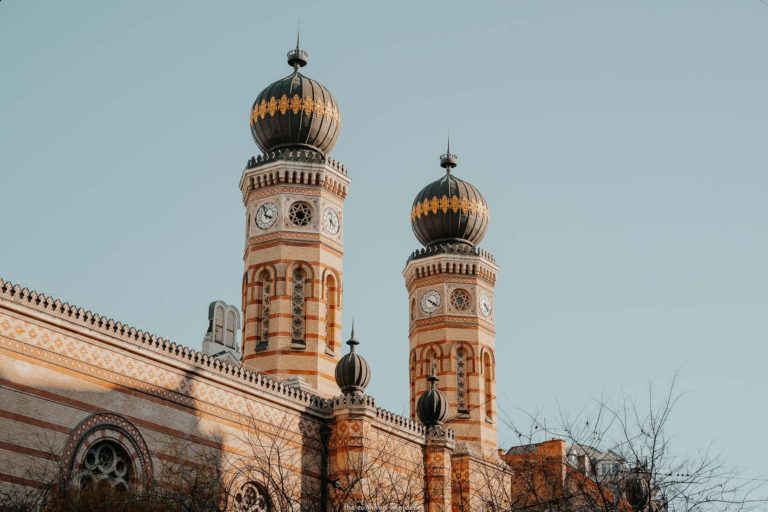
Budapest, the vibrant capital of Hungary, owes its existence to the 1873 unification of three distinct settlements: Buda, Pest, and Óbuda. This city, strategically located on the banks of the Danube, has served as a crucial crossroads of European history for centuries. Within this rich tapestry of historical development, the Jewish community has played an enduring and multifaceted role, leaving an indelible mark on the city’s identity, culture, and progress. From its earliest traces in Roman times to its vibrant presence today, the story of Jewish settlement in Budapest is one of resilience, contribution, and profound historical significance. This article aims to provide a concise yet comprehensive overview of this remarkable journey, highlighting the key periods, pivotal events, and lasting impact of the Jewish people on the life and character of Budapest. The Origin and History of the Jewish Quarter The Jewish presence in Budapest dates back to Roman times,…
When you walk through the bars and supermarkets of Budapest, it is easy to think that the main Hungarian beers have always been competing on the same ground. However, behind brands such as Dreher, Borsodi, Arany Ászok or Szalon Sör there is a history marked by tradition, innovation… and politically imposed divisions. Hungarian brewing has centuries-old roots, with a remarkable evolution from medieval home brews and monastic beers to the industrial boom of the 19th century, especially in the Kőbánya district of Budapest, considered the country’s brewing heartland. However, after World War II and during the communist era, the state restructured the beer market, assigning each brewery a specific geographical region, limiting competition and shaping local identities: Borsodi in the east, Soproni in the west, Dreher and Arany Ászok in the capital, and Szalon from Pécs in the southwest. This organisation left a lasting impression on the palate and consumer…
Unicum is a renowned herbal liqueur (bitter) deeply embedded in Hungarian culture. It is often enjoyed as a digestive aid or aperitif and is considered one of the country’s national beverages. Many Hungarians even consume it as a home remedy for colds. Produced by the Zwack family for generations, Unicum boasts a rich history and a secret formula that has been carefully preserved for over two centuries. A Unique Flavor Profile The taste of Unicum is often compared to Jägermeister, but it is significantly earthier and less sweet. Recognizing the evolving preferences of modern consumers, Zwack introduced Unicum Next, a lighter, fruitier version aimed at Western European markets and a broader audience, including women. The Origin Story According to legend, the creation of Unicum dates back to the late 18th century. Dr. Zwack, a royal physician, formulated the herbal mixture as a medicinal tonic for Emperor Joseph II of the…
While Budapest is often admired as a whole, its eastern side, Pest, has a unique charm that sets it apart. This vibrant district is where history, culture, and modern life intertwine, offering visitors everything from grand architectural landmarks to quirky museums, lively squares, and atmospheric cafés. Whether you’re drawn to the magnificent Parliament Building, the soothing Széchenyi Thermal Baths, or the bustling Central Market Hall, Pest has something for everyone. In this guide, we explore the must-visit spots that make Pest an essential part of any Budapest itinerary. History landmarks and monuments The Hungarian Parliament Rising majestically along the Danube, the Hungarian Parliament Building is a masterpiece of neo-Gothic architecture and one of Budapest’s most iconic landmarks. With its towering spires, intricate carvings, and a magnificent 96-meter dome, it stands as a symbol of Hungary’s rich history and national pride. Inside, its lavish halls gleam with gold accents, stunning frescoes,…
On the banks of the majestic Danube, near the parliament, stands a poignant and austere monument that captures the attention of those who stroll along its banks. Known as ‘Shoes on the Danube Bank’, it stands as a palpable reminder of one of the darkest chapters in Jewish history: the mass executions of Hungarian Jews during 1944 and 1945. Through its simplicity, the monument manages to convey a profound message that resonates in the collective memory, inviting reflection on the loss and brutality of that period. Origin and Creation The story behind this striking monument goes back to the vision of film director Can Togay, who worked closely with sculptor Gyula Pauer to give shape to this idea. Togay, a renowned director and writer, together with Pauer, a Kossuth Prize-winning sculptor, conceived a monument that would be both austere and eloquent. The central idea of using the shoes abandoned by…
Known as the “City of Spas,” Budapest boasts a rich thermal bathing tradition dating back to Roman times. With its abundance of natural hot springs, the city is home to some of the most stunning and historic thermal baths in Europe. Whether you’re looking to unwind in grand neo-Baroque surroundings, experience traditional Turkish steam baths, or indulge in modern wellness treatments, Budapest offers a variety of thermal baths to suit every preference. In this guide, we explore the best places to soak, relax, and rejuvenate in the Hungarian capital. Széchenyi Thermal Bath: The Largest in Europe Széchenyi Thermal Bath is not only the most famous in Budapest but also the largest thermal bath complex in Europe. With 15 indoor pools and three expansive outdoor pools, it offers a truly immersive spa experience. The highlight of the complex is the grand outdoor thermal pool, which maintains a soothing temperature of 40°C…
Introduction Planning a trip to Budapest? This vibrant city, known for its stunning architecture, rich history, and relaxing thermal baths, has plenty to offer. But navigating a new destination can be challenging, especially if you don’t speak the language or are unfamiliar with the local transport system. Luckily, technology is here to help! With the right apps on your phone, you can easily find the best restaurants, discover exciting events happening during your stay, and move around the city with ease, whether by metro, tram, or taxi. From must-see attractions to local hidden gems, these apps will make your Budapest adventure smooth, enjoyable, and stress-free. Let’s dive in! Budapest GO Budapest GO is the official public transport app for navigating Hungary’s capital with ease. It provides real-time departure updates for metros, trams, buses, trolleybuses, suburban trains (HÉV), and ferries. The interactive map allows users to explore stops, ticket sales points,…
In 2015 and 2014, the Danube River became the stage for one of Budapest’s most unusual and endearing competitions: the Kacsafutam, or ‘duck race’. Thousands of little rubber ducks navigate its waters in an event that combines fun, community and solidarity. Although at first glance it may seem like a mere curiosity attraction, the Kacsafutam has a much deeper purpose: to raise funds for various charitable causes. Origins and Global Context The origins of the Kacsafutam in Budapest are inspired by a global trend that has captivated audiences around the world since the 1990s. Rubber duck races, where thousands of these toys float down the river, have become popular fundraising events in cities from Ohio and Colorado in the United States to Australia, the United Kingdom and Singapore. These events have proved hugely successful, attracting large crowds and generating significant sums of money for charities. The idea behind the Budapest…