
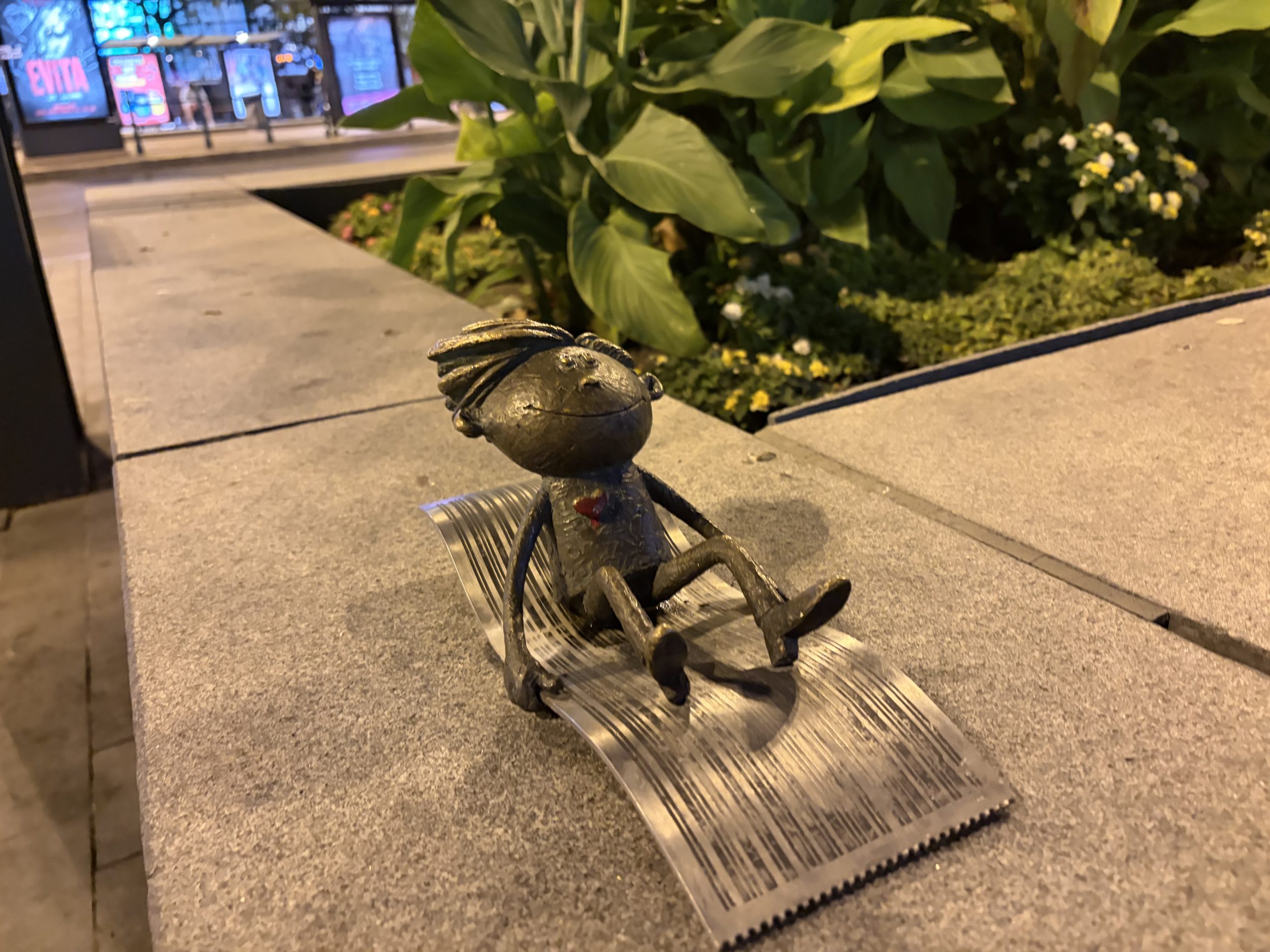
During my Erasmus in Budapest, I started discovering that the city has much more than the famous Parliament, Buda Castle and Chain Bridge. While walking around the city, I noticed some very small statues hidden in unexpected places.
These are the mini statues of Budapest, many of them created by the artist Mihály Kolodko. They can be found on bridges, walls, railings and near the streets, and some of them are so small that you can easily walk past without noticing them.
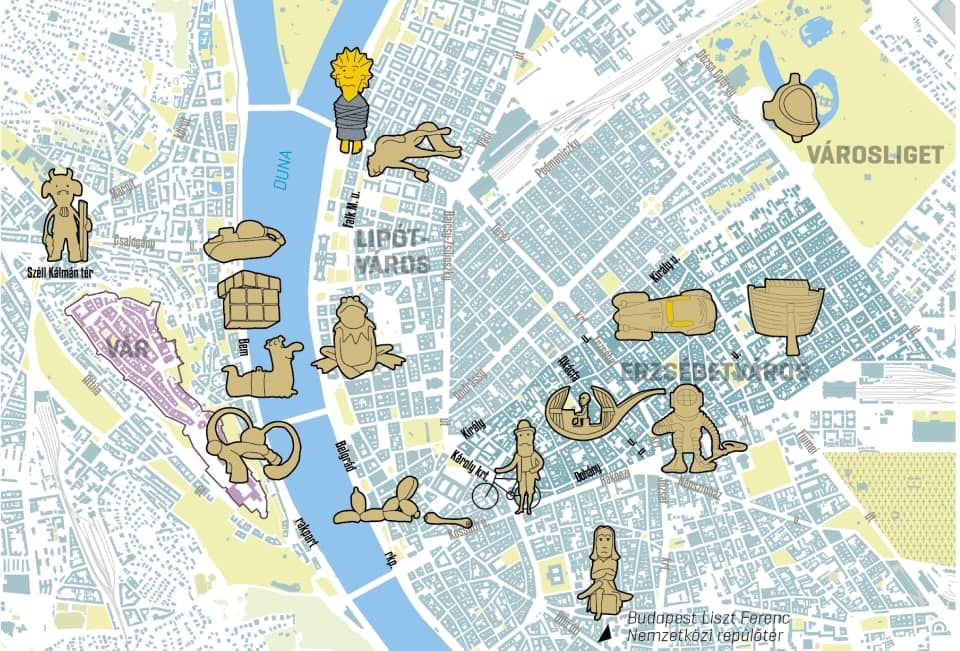
For me, finding them became a little game. Every time I walked around a different part of Budapest, I started looking down and checking the corners of the streets to see if I could find another one.
What are these mini statues?
The statues are small bronze sculptures, usually only a few centimetres high. Many of them were created by Mihály Kolodko, a Ukrainian-born artist who lives and works in Budapest.
What makes them interesting is that they are not just random decorations. Many of them represent characters, historical events, Hungarian culture or funny references to things that people know.
The statues are placed in public spaces, so you do not need a ticket or have to enter a museum to see them. You simply have to find them.
This is probably my favourite thing about them: you don’t really know when you are going to find one.
The Mr. Bean Teddy Bear
One of the easiest ones to find in the city centre is the little teddy bear connected to Mr. Bean.
The statue is located on Harmincad utca, in the 5th district, close to the centre of Budapest. It is very small, so you have to look carefully to notice it. The official Kolodko map currently lists it at Harmincad u. 6.
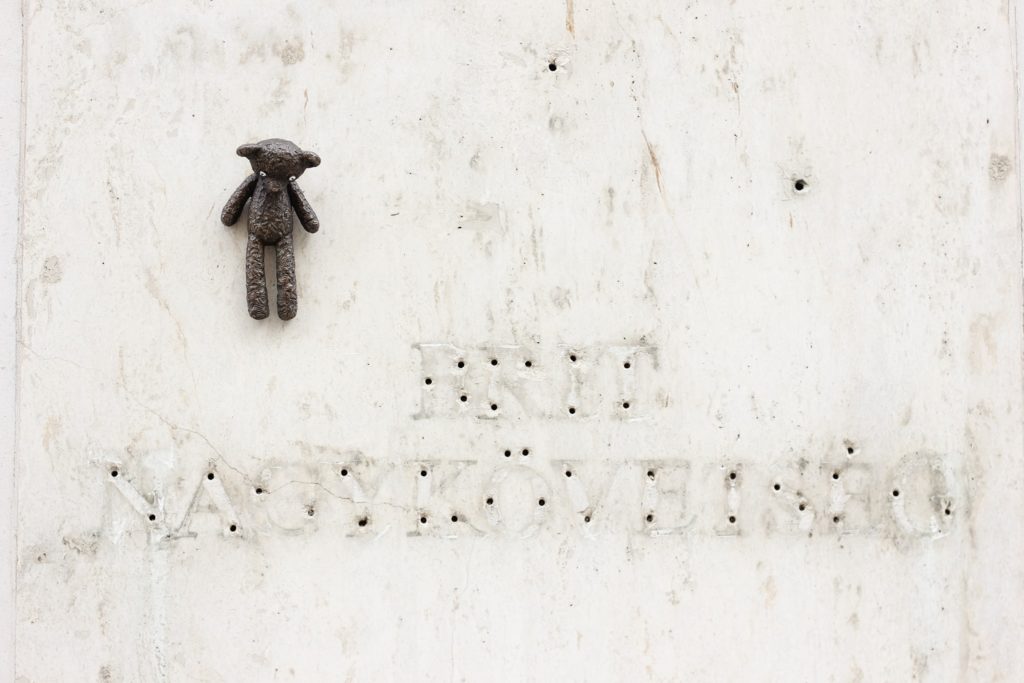
I think this is one of the funniest statues because it is connected to a character that is famous internationally. It also shows how these little sculptures can make an ordinary street much more interesting.
The Frog on Liberty Square
Another famous mini statue is the little frog known as Breki, which can be found around Liberty Square.
The frog is particularly funny because people sometimes decorate it with small scarves, depending on the season. There are even photos of the little statue wearing a Hungarian-coloured scarf.
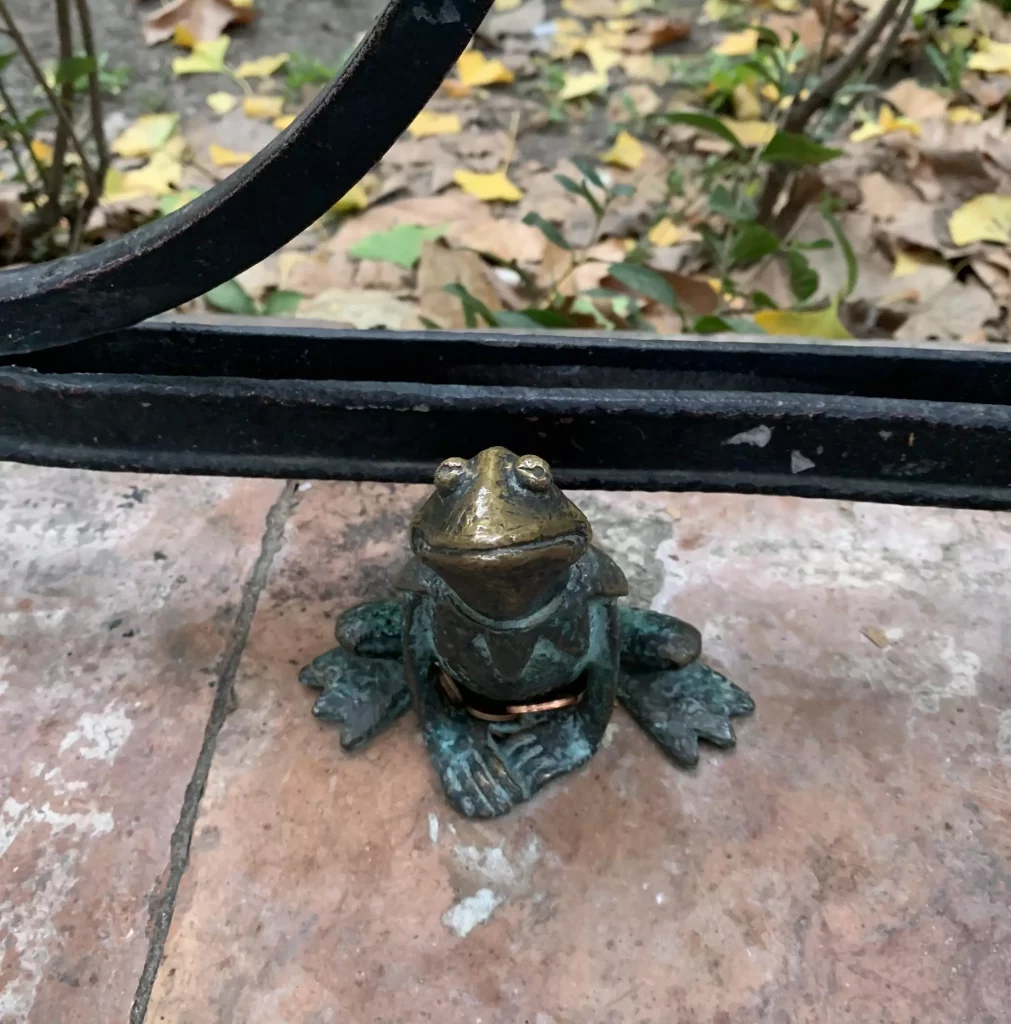
When you are walking around Budapest, you normally look at the big buildings and monuments. With these statues, instead, you have to look at the ground and the small details around you.
And this makes the walk feel a little bit like a treasure hunt.
The Balloon Dog
Another one that I found really interesting is the small balloon dog with a bone, called Libido.
It is located along the Danube promenade, near the Chain Bridge area. The statue is very small and sits close to the railing, so it is easy to miss if you are just walking along the river. The current Kolodko map places it at Belgrád rakpart 26.
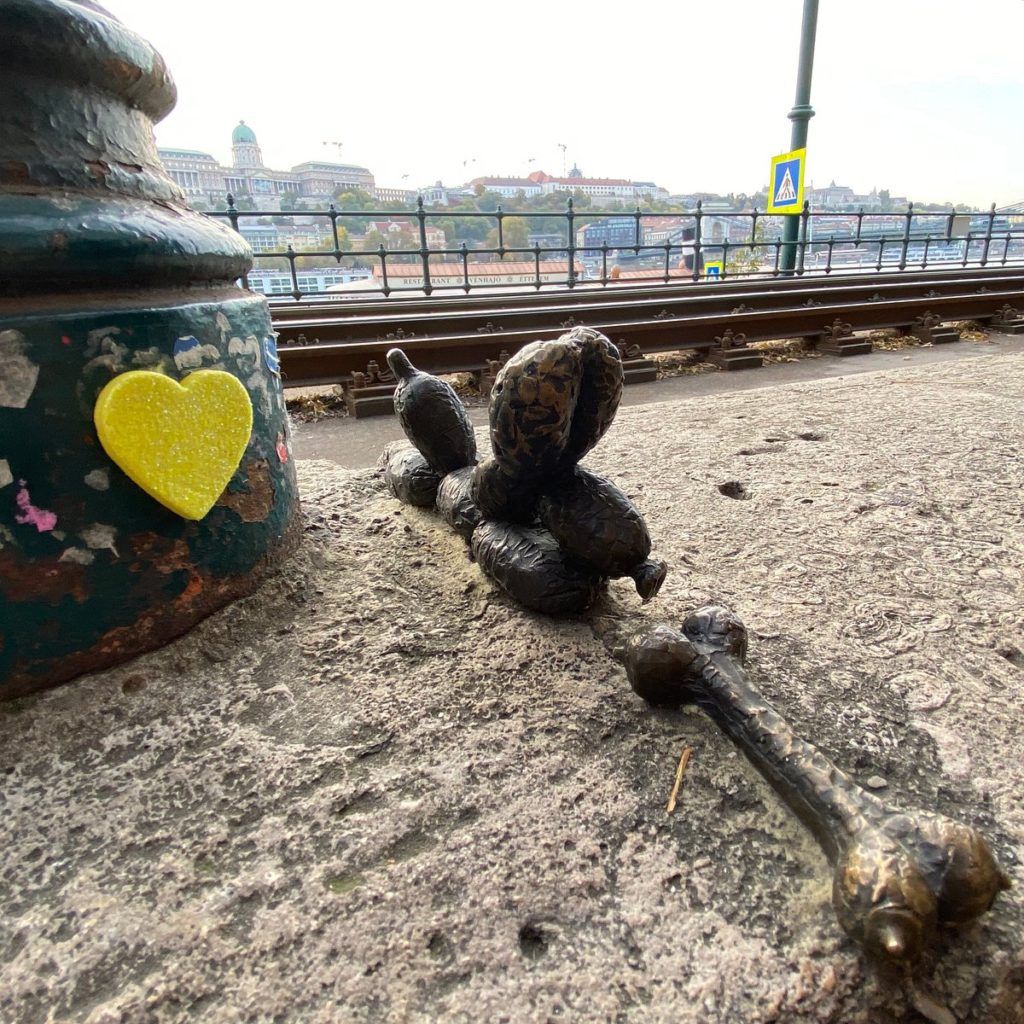
I like this one because the location is also beautiful. You can walk along the Danube, look at the Parliament and the other buildings, and at the same time search for this tiny sculpture.
It is a completely different way of exploring the city.
The statues are connected to stories
One of the most interesting things about the mini statues is that many of them have a story behind them.
For example, there are statues connected to Hungarian history, cartoons, films and popular culture. There is also a small statue representing a Rubik’s Cube, referring to one of Hungary’s most famous inventions. Other sculptures include characters such as Dracula and different animals.
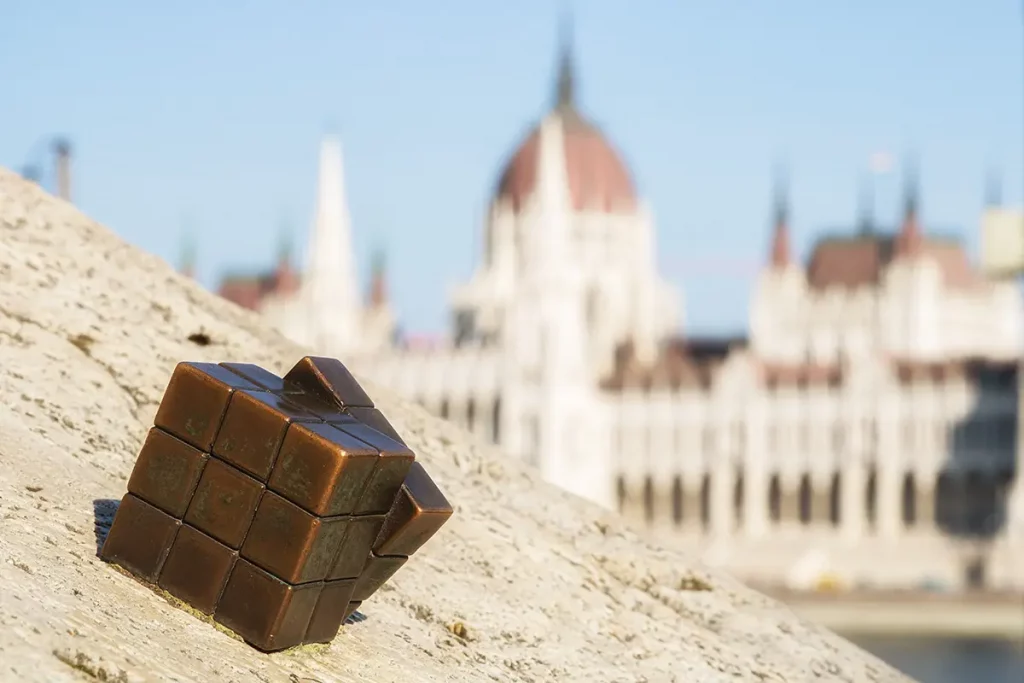
Some of the meanings are easy to understand, while others are more difficult. Sometimes you need to search online to understand why the artist decided to put a particular statue in that exact place.
I actually think this makes the experience more fun because finding the statue is only the first part. Then you can discover the story behind it.
A different way to explore Budapest
For me, the best thing about the mini statues is that they make you explore parts of Budapest that you might otherwise ignore.
Instead of having a fixed tourist itinerary, you can choose a statue, walk there and then look for other ones along the way. There is even an online map dedicated to the Kolodko statues, with their locations and information about the different sculptures.
You can find some of them in the city centre, while others are further away. This means that you can combine the statue hunt with a normal walk, a coffee with friends or a day exploring a new neighbourhood.
And, of course, they are also perfect for taking photos.
A few things to know
The most important thing is that you have to look carefully.
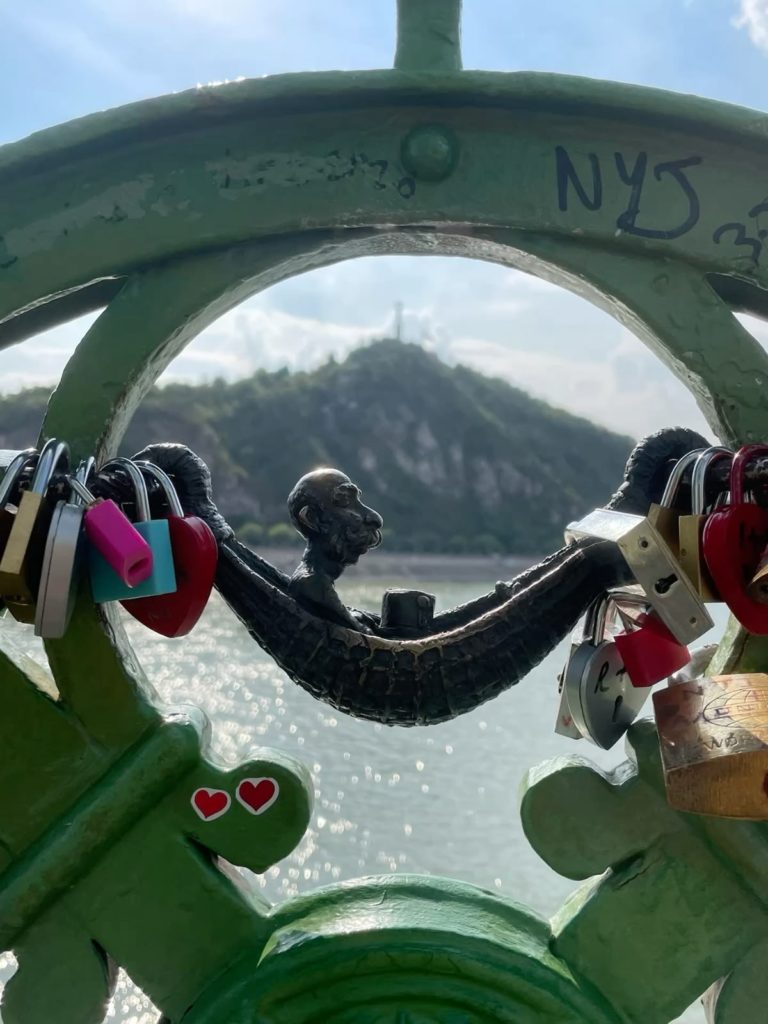
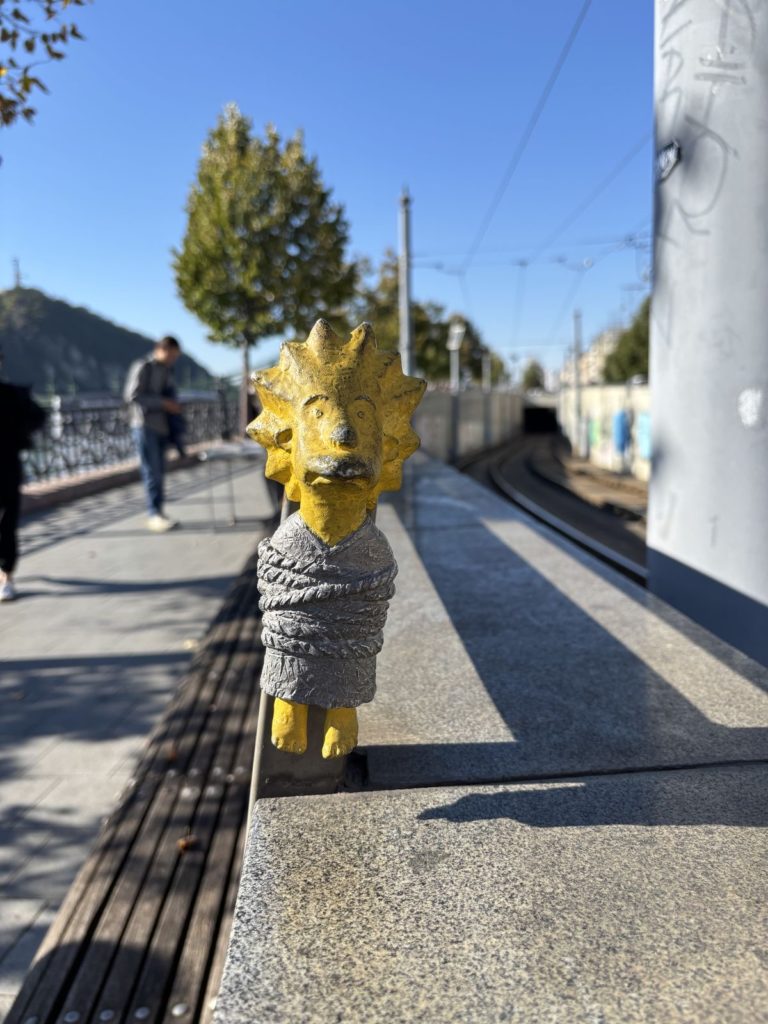
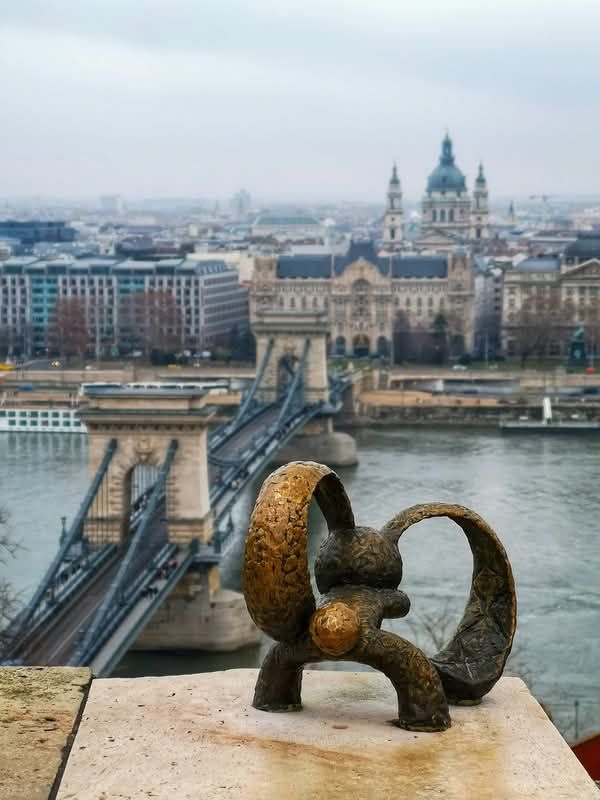
The statues are intentionally small and are often placed at ground level, on railings or in small corners. If you are walking quickly and looking at your phone, there is a good chance that you will miss them.
It is also useful to check the location before going because statues can sometimes be moved, removed or even disappear. The dedicated Kolodko map is regularly updated and is useful if you want to plan your own route.
The best part is that visiting the statues is free, because they are located in public spaces around the city.
Is it worth looking for them?
For me, definitely.
The mini statues are a really simple way to discover another side of Budapest. They are not as famous as the Parliament or Buda Castle, but they make everyday streets more interesting.
As an Erasmus student, I really like experiences like this because they don’t feel like a typical tourist activity. You can discover them while simply walking around the city with your friends, and every new statue feels like a small discovery.
So, next time you are walking around Budapest, don’t only look up — look down too.
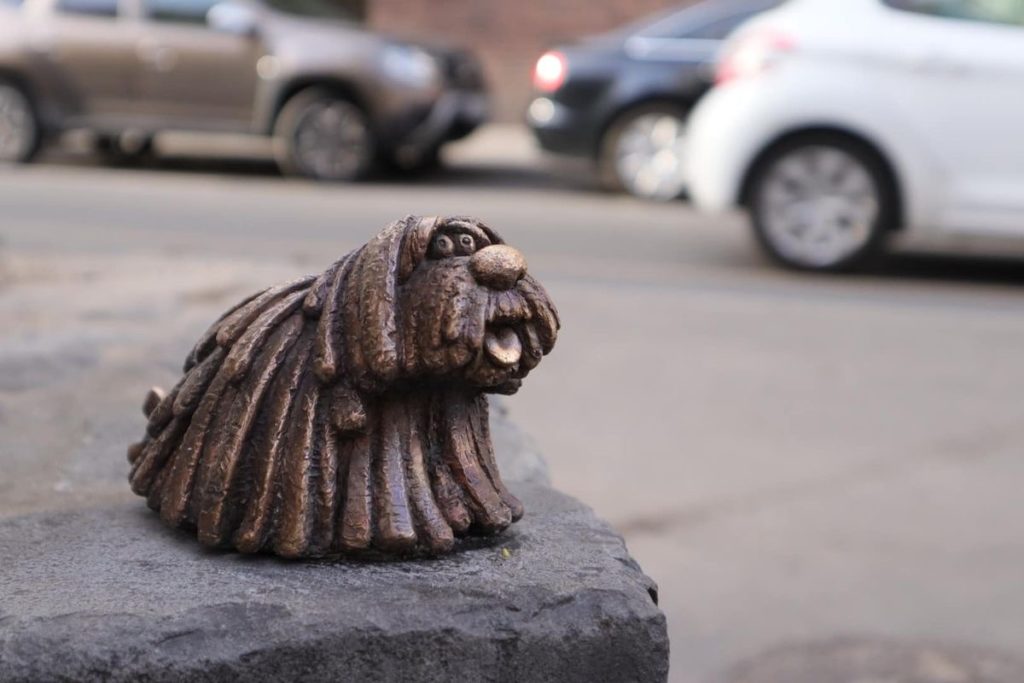
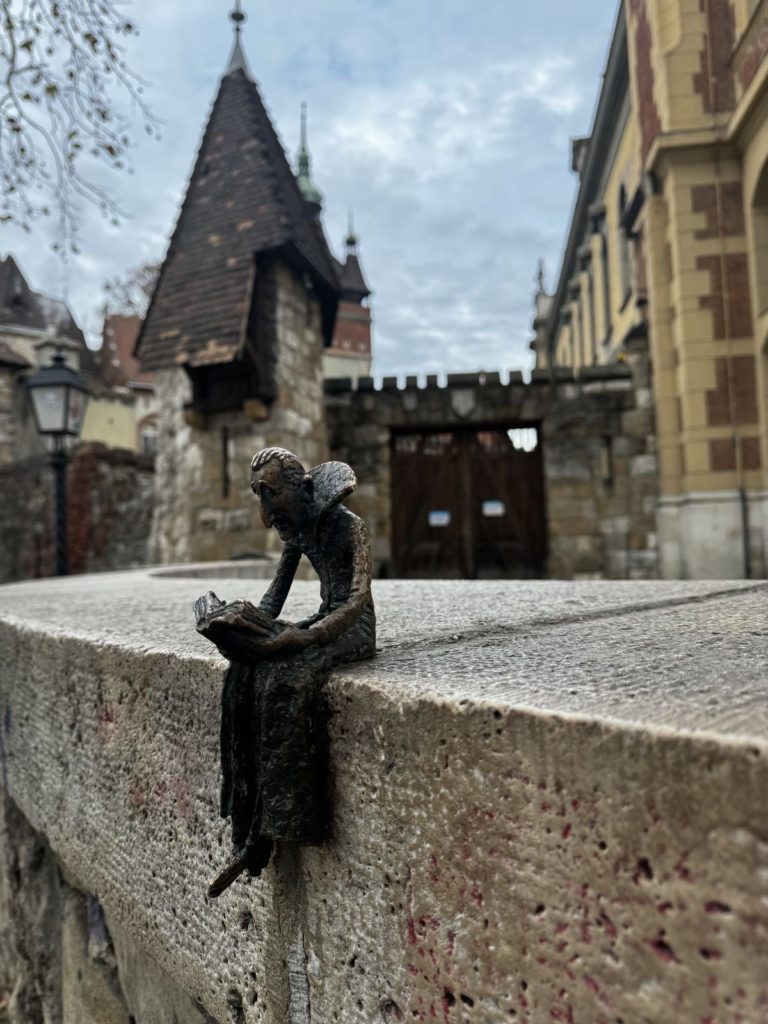
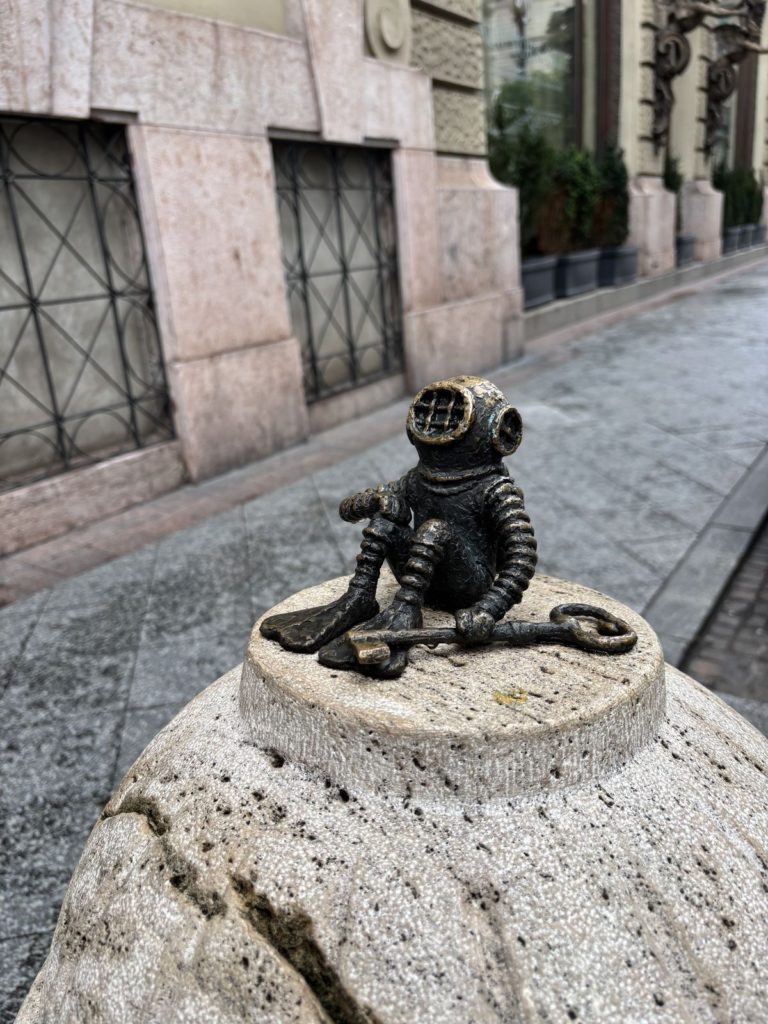
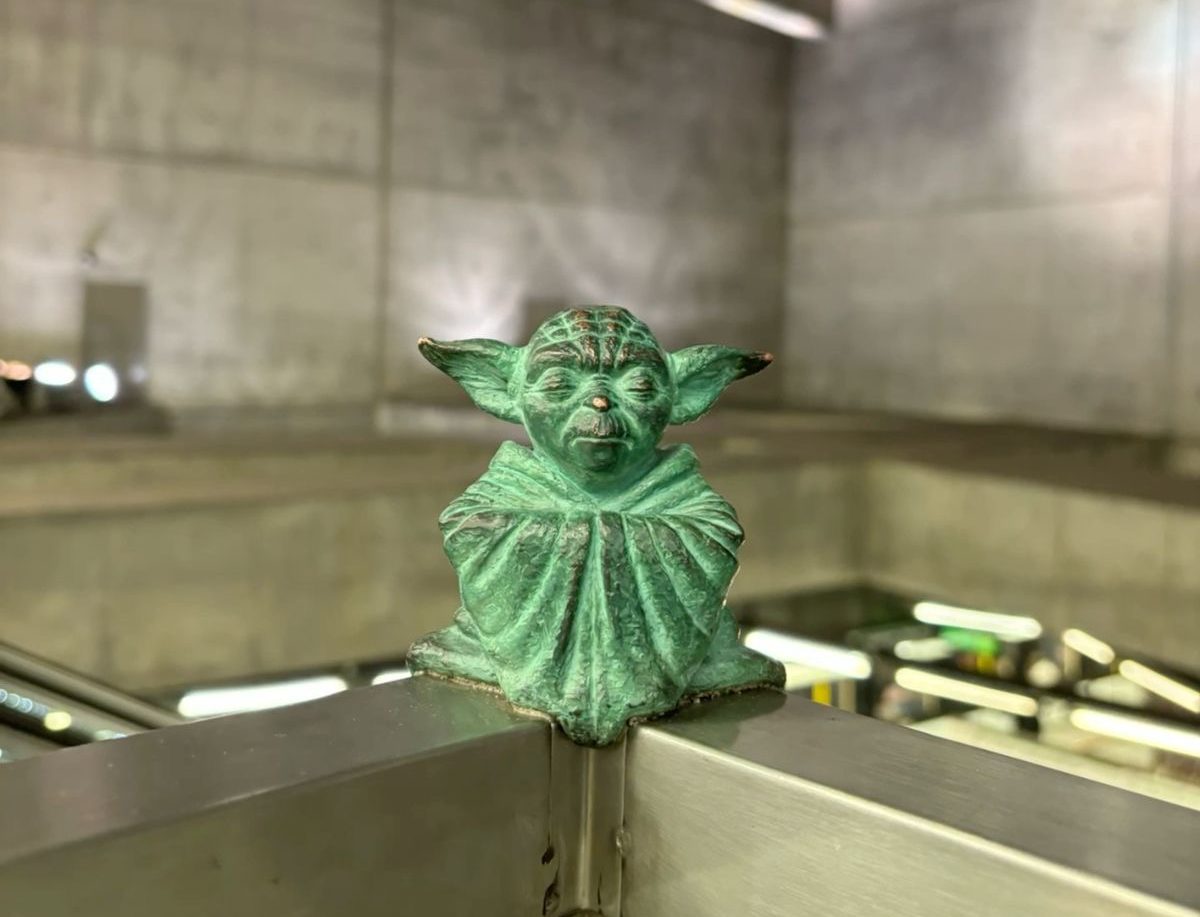
You might suddenly find a tiny bronze character hiding right next to you.
And once you find the first one, you will probably want to find them all.
Comments are closed.